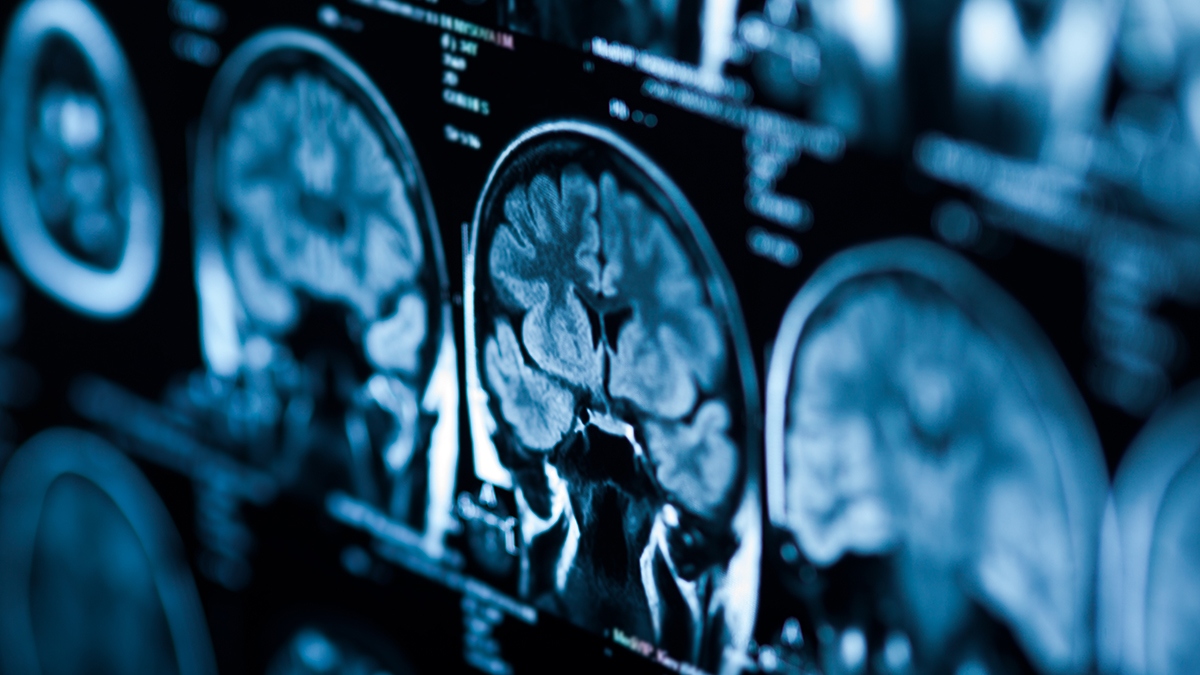
For patients with multiple sclerosis (MS) and other inflammatory neurological conditions, ongoing advances in treatment options have introduced vast improvements for long-term prognosis – making it possible for patients to live longer and enjoy a greater quality of life than ever before.
Bringing hope and healing to these patients is one reason Michlene Passeri, MD, finds fulfillment in her work within UTMB’s Department of Neurology.
“Most of the time, these conditions are very treatable, and the prognosis is often good. You can give these patients a lot of hope,” Dr. Passeri says.
A native of the Houston area, Dr. Passeri earned her medical degree at Texas A&M University Health Science Center College of Medicine. She completed her Internal Medicine internship at the Creighton University-affiliated St. Joseph's Hospital in Phoenix, Az., followed by her neurology residency at the Barrow Neurological Institute in Phoenix.
Dr. Passeri says as a medical student, she had been undecided between neurology and rheumatology as potential specialties. Then, she recognized the aspect of rheumatology that most intrigued her, immunology, and considered how to integrate it with neurology.
This interest, combined with the influence of an inspirational mentor during her training, set her on the path to subspecialize in neuroimmunology. She completed a neuroimmunology fellowship at the University of Colorado.
In this subspecialty, Dr. Passeri treats conditions affecting the brain, spine, and nerves that occur when the immune system mistakenly attacks part of the nervous system. MS is the most common and best known; others include neuromyelitis optica, autoimmune encephalitis, neurosarcoidosis, and myelin oligodendrocyte glycoprotein antibody disease (MOGAD).
Prior to arriving at UTMB, Dr. Passeri practiced in Laredo, Texas for two years, where she treated MS patients as well as general neurology patients. Upon returning to the Houston area, she saw an opportunity at UTMB to fulfill a need in the community, noting there were no others practicing her subspecialty within the department.
“There are a lot of people in the Houston area that have MS. It is not an uncommon condition,” Dr. Passeri says. “The vast majority are treated by subspecialists in the Texas Medical Center, and I hope to expand my practice to help others in need in the Houston area and also assist patients who are unable or prefer not to travel to the Texas Medical Center.”
Dr. Passeri is the sole neurologist practicing at UTMB’s new Friendswood Primary and Specialty Care Clinic. She sees general neurology patients and is looking to expand her panel of patients with MS and other inflammatory conditions affecting the brain and the spine.
Like with many other conditions, early diagnosis of these disorders is key. Treatments can include medications, like disease-modifying therapies (DMTs) and relapse management medications, among other therapies, and may involve collaboration with other specialties which are unique to each patient.
Dr. Passeri hopes as there is more awareness of her availability, patients can be seen more quickly. Symptoms like optic neuritis, which is painful vision loss in one eye, vertigo, numbness in the extremities, bowel and bladder issues, weakness in the extremities, and double vision are some of the first signs of disease. She encourages anyone experiencing these symptoms to schedule an appointment.
“Our technologies and tools are fairly advanced, so we can diagnose pretty quickly and get patients started on the appropriate therapies fast,” she says. “The way I explain it to my patients, although there is no cure, if you identify it fairly quickly and get started on the right treatment, you can nearly stop the disease in its tracks.”
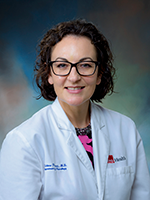 | Michlene Passeri, MD, currently sees patients at the UTMB Health Primary and Specialty Care Clinic in Friendswood. Learn more about MS and immune disorder treatment services at UTMB Health. |