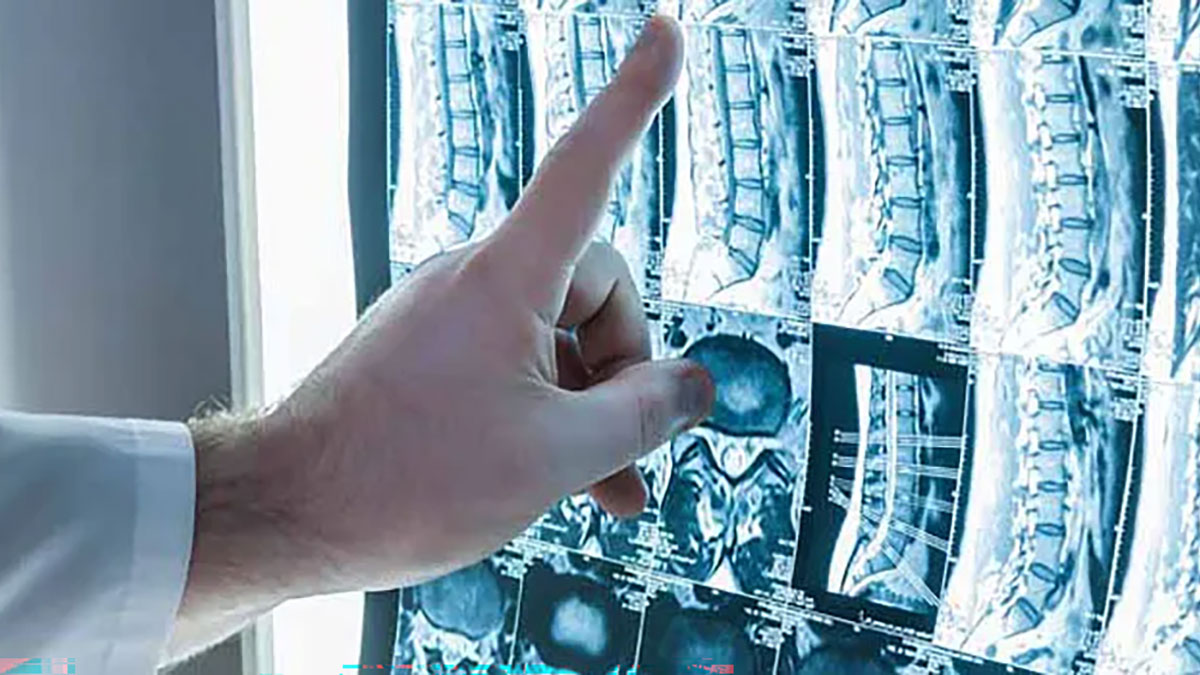
Patient-centered, multidisciplinary care is essential to achieve the best outcomes for individuals with spinal conditions. At UTMB Health, neurosurgeon Nathan L. Pratt, MD, applies this philosophy across a broad spectrum of cases, from degenerative disease to trauma, tumors, infection, and complex revision surgery.
Dr. Pratt developed an interest in spine care throughout his residency, noting that he was particularly drawn to the decision-making involved in complex cases, including patients with multilevel disease or prior surgeries.
“Some things are very straightforward,” he says. “But there are also patients who have multiple issues at once or have had multiple revision surgeries. I enjoy that complexity.”
Dr. Pratt earned his medical degree from the University of Oklahoma College of Medicine. His interest in neurosurgery developed early through clinical rotations, where he found both the operations and the patient care especially compelling.
He went on to complete his neurosurgery residency at the University of Maryland and the R Adams Cowley Shock Trauma Center, where his passion for spine surgery began to emerge.
“I liked the operations, I liked the direct or immediate impact that you can have and see,” he says. “You have imaging that shows you you’ve accomplished what you planned to do, and then you see patients improve.”
To further develop this expertise, he completed a one-year fellowship in complex and minimally invasive spine surgery at Swedish Neuroscience Institute in Seattle.
At UTMB, Dr. Pratt’s practice focuses on complex spine, deformity, and revision surgery, while also managing spine trauma and other urgent conditions. He works closely with fellow spine surgeons and a broader multidisciplinary team, including physical therapists and pain management specialists.
For referring physicians, he recommends obtaining advanced imaging, most often an MRI, prior to consultation when possible. This helps streamline care and minimizes unnecessary visits and the financial burden for patients.
A defining principle of his practice is starting with the least invasive treatment possible.
“I tell every patient it doesn’t matter how your MRI looks,” Dr. Pratt says. “All that matters is, can we get you feeling better in the least invasive way possible?”
Many patients improve with medication, physical therapy, or interventional pain procedures. Surgery is considered only after appropriate conservative treatments have been explored, except in cases of neurologic decline or spinal cord compression.
When surgery is necessary, Dr. Pratt emphasizes shared decision-making and patient education. The more invasive the surgery, the more time he dedicates to discussing it with the patient.
“I want the patient to understand what our goals are and what our likely outcomes are, and I want them to be comfortable making that decision,” he says.
Dr. Pratt sees patients at both the Clear Lake and Galveston campuses, with flexibility built into his schedule for urgent needs. He encourages direct communication with referring physicians, especially if there are challenges with access or timing.
“Primary care can reach out to me, and I’ll call the clinic and have the patient brought in immediately. We don’t want patients to have to wait around and not get what they need,” he says.
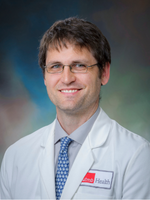 | Nathan L. Pratt, MD, sees patients at UTMB Health Neurosurgery and Neurosurgery Spine at Clear Lake Campus and UTMB Health Neurosurgery at the UHC in Galveston. Learn more about Neurosurgery services at UTMB Health. |