
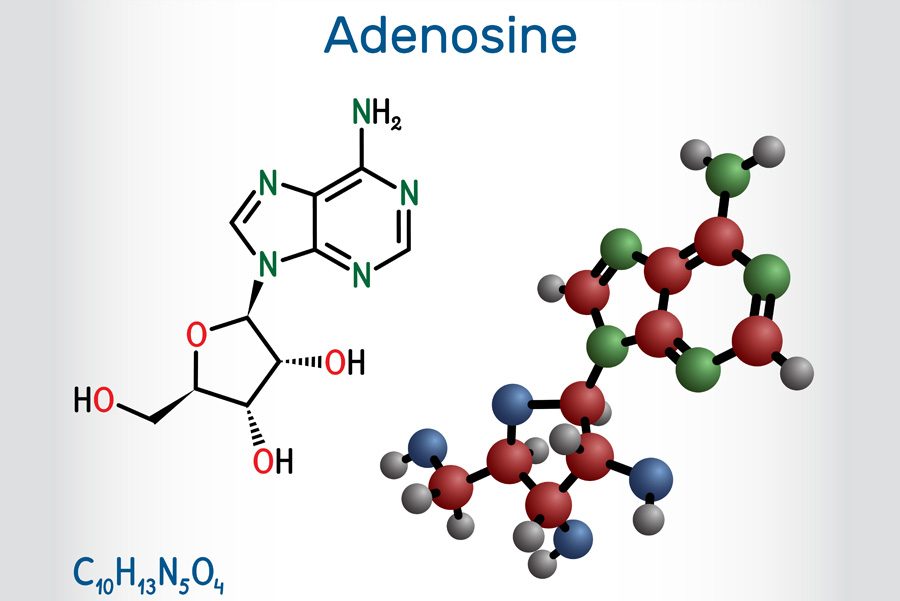


• Adenosine ribonucleoside molecule. Chemical structure and molecule model of nucleoside.
  • Downloaded Single strand ribonucleic acid molecules.

O'Reilly Lab

Genetic Medicines: Transforming the Future of Rare Diseases

About Our Lab

At the O’Reilly Lab, our vision is to transform the lives of patients and families affected by rare and ultra-rare diseases by developing innovative genetic medicines. Driven by compassion and scientific excellence, we aim to advance oligonucleotide therapeutics, such as ASOs, siRNAs, and CRISPR-based technologies, to address urgent unmet medical needs. By combining cutting-edge research with a patient-centered approach, we strive to expand treatment options, deepen our understanding of genetic medicine, and make a meaningful impact on the rare disease community.

Therapeutic Platforms:

We leverage three main classes of oligonucleotide therapeutics:

  • Antisense Oligonucleotides (ASO): Bind to RNA to modulate splicing or degrade mRNA, preventing the production of harmful proteins.
  • Short interfering RNA (siRNA)s: Silence target genes by promoting degradation of specific mRNA which prevents the production of harmful proteins.
  • CRISPR: Enables precise editing of disease-causing genes at the DNA level.

Our Approach

Our team utilizes expertise in oligonucleotide synthesis, biochemical assays, and in vivo pharmacology to translate discoveries into clinical applications. We address challenges like targeted delivery and cellular uptake and improve our understanding of oligonucleotide interactions with biological systems, including binding to RNA or DNA, modulation of gene expression, intracellular trafficking, and engagement with proteins and immune pathways to optimize efficacy and safety. Through collaboration with academic and clinical partners, we accelerate research and advance therapeutic solutions for rare diseases.

Research Areas

Novel Chemical Modifications

Altering the natural structure of RNA and DNA has been essential for improving the stability and efficacy of oligonucleotide therapeutics. Innovations such as C4 and PEG linkers have shown promise in preclinical studies, inspiring us to expand the chemical toolbox for enhanced therapeutic performance and mechanistic insight.

Adenosine ribonucleoside molecule. Chemical structure and molecule model of nucleoside.

Oligonucleotide Chemical Biology

Oligonucleotides interact with various cellular proteins and can trigger immune responses, affecting their efficacy, delivery, and safety. Using structural probes, we aim to unravel these complex interactions and inform the rational design of next-generation therapies.

Chemistry lab icon set. Included icons as Chemical, formula, Medical analysis, Laboratory test flask.

Rare Disease Therapeutics

We design oligonucleotides to address a broad spectrum of rare genetic disorders, including repeat expansion diseases such as Huntington’s disease, where targeting CAG repeats can delay onset, and non-repeat-associated conditions. Our research encompasses the development of oligonucleotide therapies for both neurological and non-neurological diseases, including disorders that affect the brain, heart, and other organs, to expand treatment options for patients with unmet medical needs.

Rare Disease Day Background. Colorful awareness ribbon with group of people with rare diseases.

Tissue-Specific Delivery

While GalNAc conjugation has revolutionized liver-targeted oligonucleotide delivery, targeting other tissues remains a significant challenge. We are developing novel ligand conjugates—including sugars, antibodies, and peptides—to deliver therapeutics precisely beyond the liver.

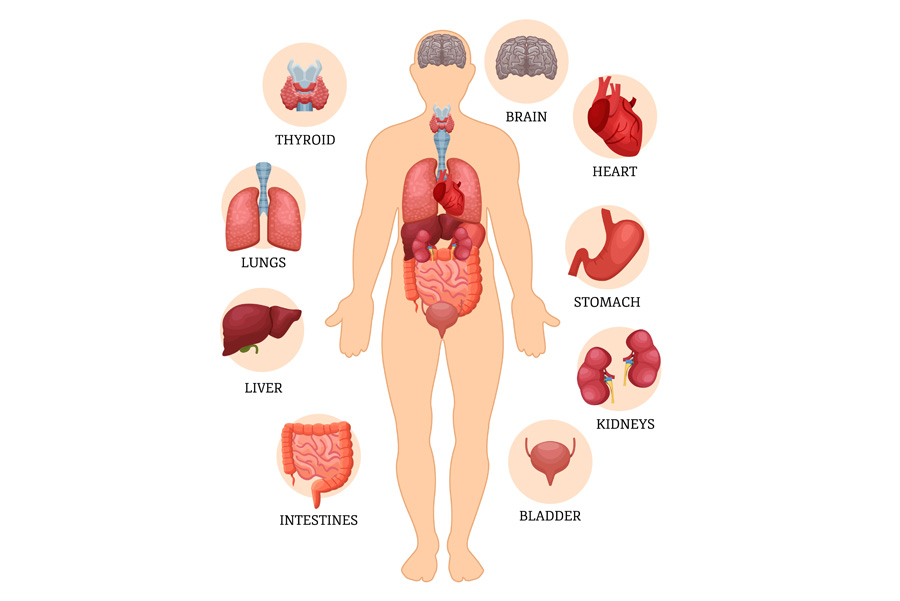
Visual scheme of the structure of man and human organs.

Meet the Team

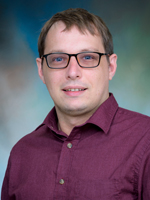
Daniel O'Reilly, PhD, MRSC

Principle Investigator

About Me

Daniel O’Reilly, PhD, is an Assistant Professor of Pharmacology and Toxicology at the University of Texas Medical Branch (UTMB) and performs research on the chemical biology of oligonucleotide therapeutics. He decided to pursue a career developing treatments for rare diseases after witnessing the impact of Huntington’s disease on his own family from an early age and later learning he carried Huntington’s gene himself. This personal experience instilled a deep commitment to advancing therapies for genetic conditions that currently lack effective treatment options.

Dr. O’Reilly completed his MChem at the University of Southampton, where he was first introduced to nucleic acid chemistry in Professor Jon Watts's laboratory, working on synthesizing peptide nucleic acid (PNA) monomers. He earned his PhD in Chemistry from McGill University under Professor Masad Damha, focusing on chemical modifications to enhance oligonucleotides' therapeutic potential by probing nucleic acid's structure and function. His doctoral work included developing guidelines for chemically modifying crRNA for the CRISPR-Cas9 system and collaborating with other labs to improve gene editing and antisense technologies. He also spent time in Dr. David Corey’s lab at UT Southwestern, investigating the upregulation of Frataxin protein using antisense oligonucleotides, further expanding his expertise in therapeutic nucleic acids.

Driven to translate chemical innovations into real therapeutic advances, Dr. O’Reilly joined Professor Anastasia Khvorova’s lab at the RNA Therapeutics Institute, University of Massachusetts Chan Medical School, for his postdoctoral fellowship. The Khvorova lab’s world-leading reputation in oligonucleotide drug development and its focus on translational research provided the ideal environment for Dr. O’Reilly to lead projects targeting Huntington’s disease—an area deeply personal to him—using siRNA to address disease mechanisms such as somatic expansion and to develop novel chemical scaffolds to improve siRNA efficacy and delivery.

The O’Reilly Lab is passionately dedicated to creating oligonucleotide therapeutics for rare and ultra-rare diseases. We focus on developing novel chemical modifications, improving tissue targeting, and deepening the mechanistic understanding of oligonucleotide action. Our vision is to expand the therapeutic toolbox, answer fundamental questions in delivery and efficacy, and collaborate widely to accelerate the development of transformative treatments for patients and families affected by rare diseases.

He is dedicated to patient advocacy, inspired by his family’s experience with Huntington’s disease, and active in the Huntington’s Disease Association UK and the family charity ADDOR. A former trainee representative on the Oligonucleotide Therapeutics Society Board and recipient of its 2022 Award for Patient Advocacy, Dr. O’Reilly is committed to advancing the field through scientific innovation and community engagement.

Research

Publications

Publications

Divalent siRNAs are bioavailable in the lung and efficiently block SARS-CoV-2 infection

Hariharan, V. N., Shin, M., Chang, C. W., O’Reilly, D., Biscans, A., Yamada, K., Guo, Z., Somasundaran, M., Tang, Q., Monopoli, K., Krishnamurthy, P. M., Devi, G., McHugh, N., Cooper, D. A., Echeverria, D., Cruz, J., Chan, I. L., Liu, P., Lim, S. Y. & McConnell, J. & 26 others, Singh, S. P., Hildebrand, S., Sousa, J., Davis, S. M., Kennedy, Z., Ferguson, C., Godinho, B. M. D. C., Thillier, Y., Caiazzi, J., Ly, S., Muhuri, M., Kelly, K., Humphries, F., Cousineau, A., Parsi, K. M., Li, Q., Wang, Y., Maehr, R., Gao, G., Korkin, D., McDougall, W. M., Finberg, R. W., Fitzgerald, K. A., Wang, J. P., Watts, J. K. & Khvorova, A., Mar 10 2023, In: Proceedings of the National Academy of Sciences of the United States of America. 120, 11, e2219523120.

Research output: Contribution to journalArticlepeer-review

Di-valent siRNA-mediated silencing of MSH3 blocks somatic repeat expansion in mouse models of Huntington's disease

O'Reilly, D., Belgrad, J., Ferguson, C., Summers, A., Sapp, E., McHugh, C., Mathews, E., Boudi, A., Buchwald, J., Ly, S., Moreno, D., Furgal, R., Luu, E., Kennedy, Z., Hariharan, V., Monopoli, K., Yang, X. W., Carroll, J., DiFiglia, M. & Aronin, N. & 1 others, Khvorova, A., Jun 7 2023, In: Molecular Therapy. 31, 6, p. 1661-1674 14 p.

Research output: Contribution to journalArticlepeer-review

Erratum: Di-valent siRNA-mediated silencing of MSH3 blocks somatic repeat expansion in mouse models of Huntington's disease (Molecular Therapy (2023) 31(6) (1661–1674), (S1525001623002629), (10.1016/j.ymthe.2023.05.006))

O'Reilly, D., Belgrad, J., Ferguson, C., Summers, A., Sapp, E., McHugh, C., Mathews, E., Boudi, A., Buchwald, J., Ly, S., Moreno, D., Furgal, R., Luu, E., Kennedy, Z., Hariharan, V., Monopoli, K., Yang, X. W., Carroll, J., DiFiglia, M. & Aronin, N. & 1 others, Khvorova, A., Nov 1 2023, In: Molecular Therapy. 31, 11, p. 3355-3356 2 p.

Research output: Contribution to journalComment/debatepeer-review

Join our team

If you are interested in joining the O’Reilly Lab at UTMB to work on cutting-edge oligonucleotide therapeutics for rare and ultra-rare diseases, we welcome highly motivated and enthusiastic volunteers and recruits with a willingness to learn.