
Advancing the understanding of how environmental factors influence human health across the lifespan.
As genetic research continues to fall short in fully explaining disease complexity, emerging insights from environmental health science are revealing how stressors—from air, water, and soil pollution to hazardous chemicals, radiation, microorganisms, noise, extreme weather, and social determinants—impact physiological balance and can shape individual’s vulnerability and resilience toward disease.
These insights drive SCEHM’s mission to integrate environmental determinants into every stage of health research—advancing diagnostics, treatment strategies, and patient outcomes through a comprehensive, systems-based approach. This approach is grounded in cutting-edge mechanistic toxicology and accelerated by computational New Approach Methodologies (NAMs), providing a clear roadmap of the effects of environmental exposures on human health. Embracing a holistic view of disease, SCEHM is committed to applying this knowledge to enhance risk assessment, prevention strategies, and treatments —advancing the path toward precision medicine.
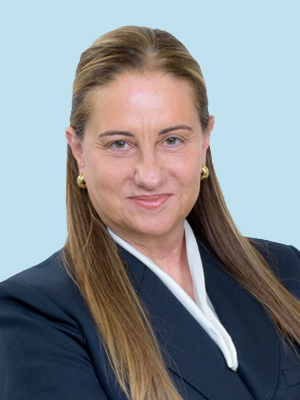
Fernanda Laezza, M.D., Ph.D.
Director, Sealy Center for Environmental Health and Medicine
Jones Distinguished Chair in Environmental Toxicology Professor
Research Areas

Brain health
Brain health

Metabolic Disorders
Metabolic Disorders
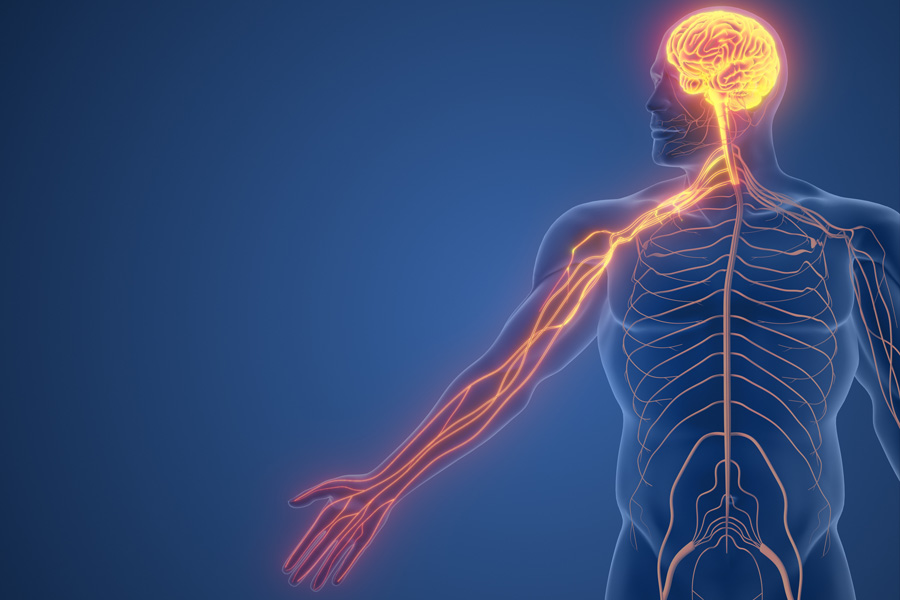
Brain-Peripheral Axis
Brain-Peripheral Axis

Pregnancy
Pregnancy
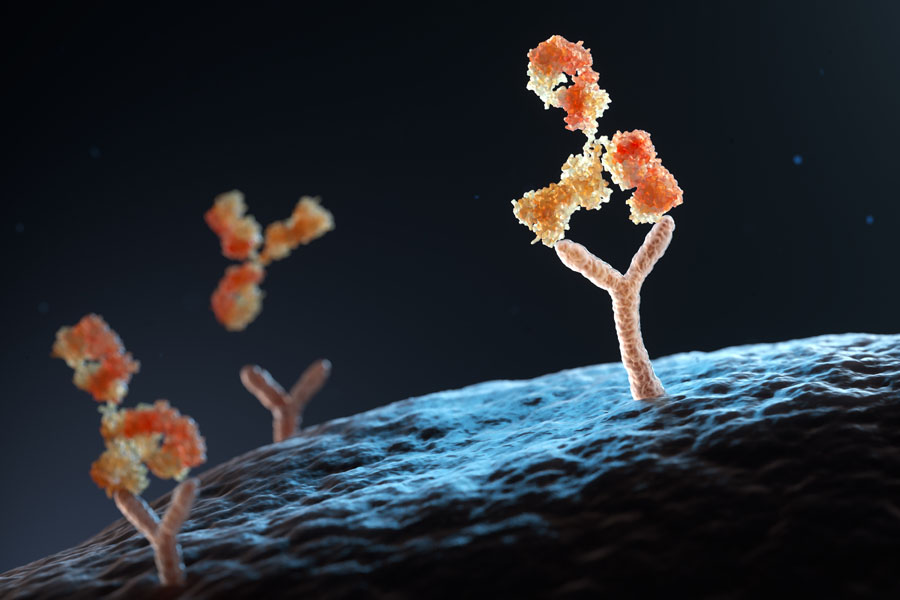
Immunology
Immunology