Volker Neugebauer, MD, PhD
Professor and Chair, Cecil H. and Ida M. Green Distinguished University Chair in Neuroscience and Cell Biology, Department of Translational Neuroscience
Associate Director, Moody Brain Health Institute
Associate Director, Moody Brain Health Institute
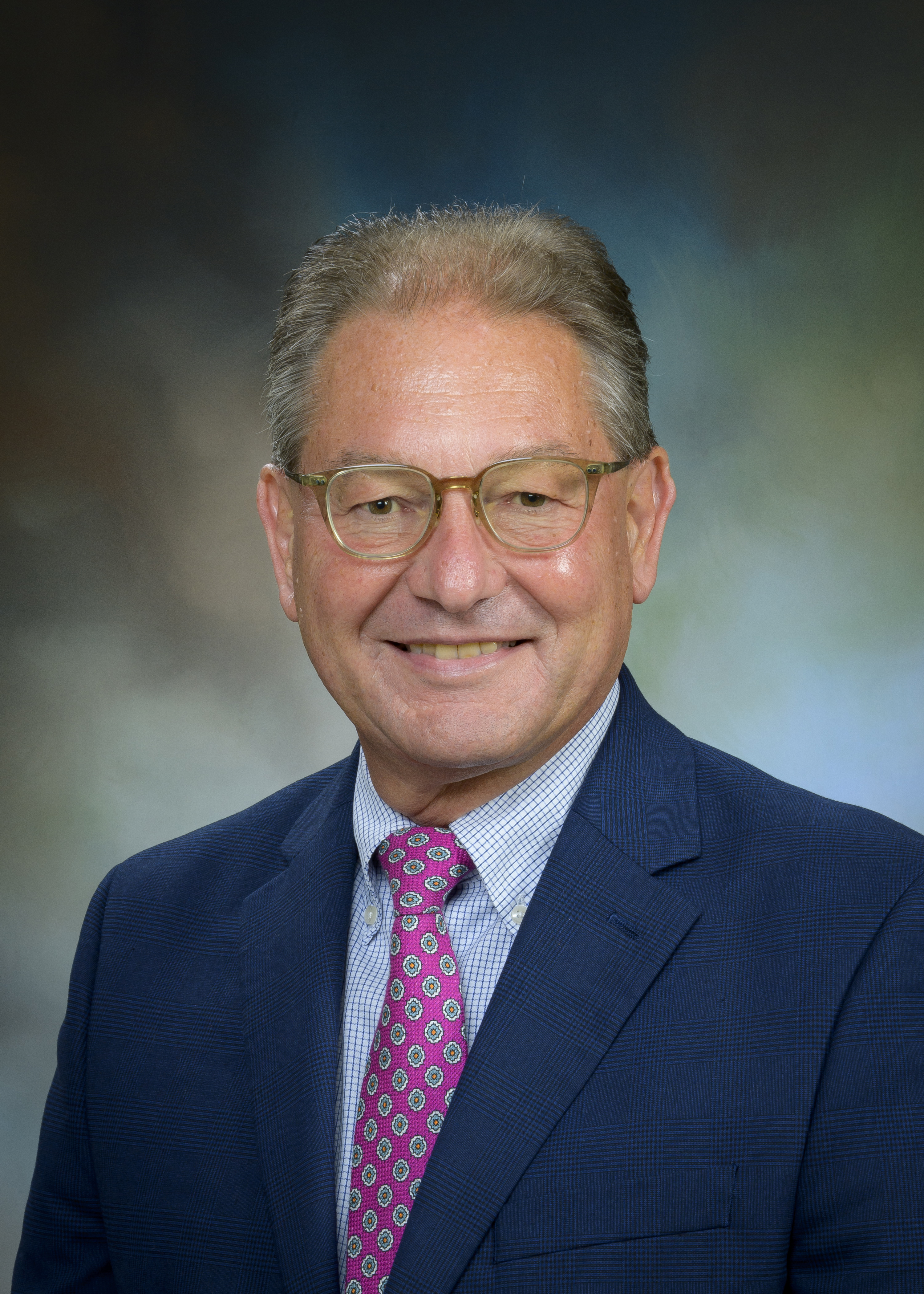
Cecil H. and Ida M. Green Distinguished University Chair in Neuroscience and Cell Biology
Department of Translational Neuroscience
Associate Director, Moody Brain Health Institute
2.104A Medical Research Building
Route: 1069 | Tel: (409) 772-2171 | voneugeb@utmb.edu
Affiliation: Moody Brain Health Institute
Education and Training
MD, University of Würzburg, Germany
PhD in Physiology, University of Würzburg, Germany
Postdoctoral in Physiology, University of Würzburg, Germany
Postdoctoral in Pharmacology, UTMB, Galveston, TX
Postdoctoral in Neuroscience, UTMB, Galveston, TX
The focus of my research has been on mechanisms of neuroplasticity and brain functions in health and in diseases such as chronic pain and comorbid conditions, neurodegenerative diseases and dementias, epileptogenesis, and other neurological and psychiatric disorders for more than 30 years. A neuroscientist with training and practice in neurology I am particularly interested in translational research. The analysis of synaptic and cellular neuroplastic changes associated with emotional-affective and cognitive aspects of pain and substance (alcohol and opioids) use disorder centered on the cortico-limbic system and the amygdala is a key contribution of our work to the field of pain research and neuroscience. Our expertise in cellular and systems pain mechanisms from the periphery to the spinal cord and brain has stimulated research on neuroplasticity in neurodegenerative diseases. Ongoing projects are focused on neuroimmune signaling in neuroplasticity.
Our translational programs aim to cover the full spectrum, from basic to clinical studies. At Texas Tech University Health sciences Center (2014-2026) I developed and directed collaborative translational programs on mechanisms, biomarkers, and interventions in chronic pain, dementias (Alzheimer’s disease) and mental disorders, including the following: basic science projects, research using human tissue samples and data (brain bank and Project FRONTIER), community engagement, and clinical studies and care through a new comprehensive memory clinic. At UTMB we are continuing translational research on chronic pain, Alzheimer’s disease and other clinically relevant nervous system disorders, which involves collaborations with clinical departments, the Moody Brain Health Institute, the new Translational Pain Research and Intervention Center (TRPRIC), and other centers and institutes across UTMB and beyond.
Our basic research program uses a multidisciplinary approach of state-of-the-art in vivo and in vitro electrophysiology and cellular imaging, opto- and chemogenetics, viral vector and transgenic strategies, molecular biology, immunohistochemistry, (opto-)pharmacology, and innovative behavioral assays. Translational and clinical studies rely on strategic partnerships for biomarker and omics research, human organoid systems, neuroimaging (MRI/fMRI), pain and neurocognitive assessments, and epidemiological databases.
My work has been published in more than 200 research articles, reviews and editorials (173 peer-reviewed), and presented in 170 invited lectures and workshops. My nationally and internationally recognized research program (h-index 71, i10-index 157, 16456 citations, Google Scholar 09-15-26) has been continuously funded by the NIH since 1999. Other funding sources include the USDA, foundations, and industry. The overall goal of our translational research is to advance brain health and mitigate chronic diseases through the better understanding of mechanisms of neurological and psychiatric disorders to identify novel targets for new and improved diagnostic and therapeutic strategies.
Teaching and Mentoring.
Education and training of biomedical researchers and health care professionals is an important goal of my work. I have a track record of successfully mentoring faculty, postdoctoral fellows, clinical residents, MD/PhD students, PhD students, MD/MS students, medical students, and undergraduate students. The generation and dissemination of knowledge about brain health is an important benefit to medical school education and graduate and postgraduate training.