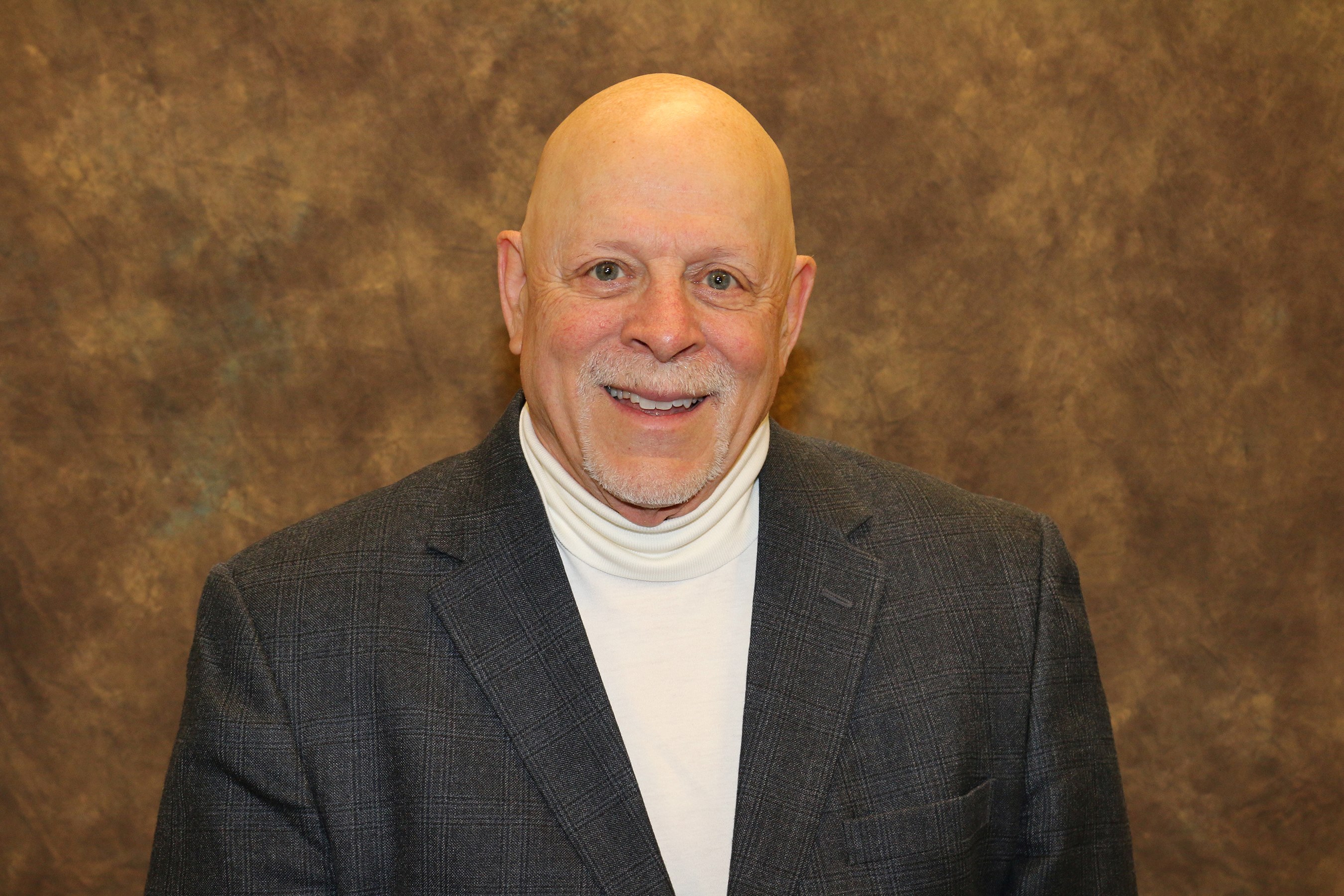
Dr. E. Steve Woodle was born and raised in Texarkana, Texas. He graduated summa cum laude from Texas A&M University in 1976 and magna cum laude from the University of Texas Medical Branch (UTMB) in 1980. During his time at UTMB, he received numerous accolades, including election to Alpha Omega Alpha in his junior year, Outstanding Student in Surgery and Anesthesia, Outstanding Student in Obstetrics and Gynecology, and the Edward Randall Medal twice for achieving the highest scores on Parts 1 and 2 of the National Board Exams.
Dr. Woodle completed two years of general surgery residency at the University of Texas at Houston, followed by a two-year NIH research fellowship at the University of California, Davis, where he subsequently completed his general surgery training. He then pursued a transplantation fellowship at the University of Chicago, receiving specialized training in kidney, liver, and pancreas transplantation, hepatobiliary surgery, and transplantation immunobiology.
Dr. Woodle began his academic career at the University of Chicago, where he served on faculty for eight years. In 1999, he joined the University of Cincinnati as Director of the Division of Organ Transplantation. He currently serves as a tenured Professor of Surgery and holds the William A. Altemeier Endowed Chair in Surgery.
Dr. Woodle’s research has been pivotal in transplant immunobiology and immunosuppressive drug development. He pioneered genetic modifications to OKT3, leading to the development of teplizumab, which eliminated cytokine storm reactions. Initially intended for transplantation, teplizumab was later repurposed for autoimmune diseases and became the first FDA-approved drug for type 1 diabetes prevention in 2023.
Dr. Woodle played a key role in evaluating tacrolimus for refractory kidney transplant rejection, publishing extensively on the subject. He was the first to describe mixed acute rejection, identifying its high failure risk, and developed groundbreaking therapies targeting plasma cells, including the proteasome inhibitor bortezomib. His innovations in this field earned the 2024 Translational Research Paper of the Year award.
A pioneer in steroid-free immunosuppression, Dr Woodle led clinical trials demonstrating the viability of early corticosteroid cessation, now used by nearly half of U.S. kidney transplant recipients. More recently, his work in single-cell genomics and multiomics has redefined rejection diagnostics, earning top research awards. As Co-Director of CTIMM at Cincinnati Children’s Hospital, he continues to mentor and lead advancements in transplant immunology.
Rejection is the leading cause of organ transplant failure and a key focus of Dr. Woodle’s research. Building on his work with teplizumab, he investigated tacrolimus as an anti-rejection treatment, serving as lead author on a U.S. multicenter trial for refractory kidney transplant rejection and publishing 20 additional single-center studies.
Dr. Woodle was the first to define “mixed acute rejection,” a condition involving both antibody- and T-cell-mediated components. He demonstrated that nearly half of all kidney transplant rejection cases fall into this category, which carries the highest risk of transplant failure among clinical rejection phenotypes.
To address mixed acute and antibody-mediated rejection, Dr. Woodle developed the first therapies targeting nontransformed plasma cells. He pioneered the use of bortezomib to eliminate antibody-producing cells and later introduced niche-targeted therapy to sensitize bortezomib-resistant plasma cells. This groundbreaking work earned the 2024 Translational Research Paper of the Year award from the American Journal of Transplantation.
Since their introduction in the 1960s, corticosteroids have been a major source of transplant-related complications. In 1991, Dr. Woodle led efforts to eliminate their use, conducting multiple trials, including the landmark Astellas study on early corticosteroid cessation. Today, nearly half of U.S. kidney transplant recipients follow the regimen he developed in 1995.
Over the past decade, Dr. Woodle and his team have pioneered the use of single-cell genomics and multiomics to define rejection. Their research earned top honors at the American Transplant Congress in 2023 and 2024 and remains a key focus at the CTIMM at Cincinnati Children’s Hospital, where he serves as Co-Director and mentors young transplant faculty.
Dr. Woodle authored the first peer-reviewed paper on kidney exchange (NEJM, 1997), a procedure enabling transplants between incompatible donor-recipient pairs. He later helped establish ethical and scientific guidelines and contributed to regional and national kidney exchange programs. Today, kidney exchanges account for over 20% of U.S. living donor transplants and thousands worldwide.
Dr. Woodle has published 384 papers and 606 abstracts, cited over 20,000 times. He has delivered 210 talks and 454 invited lectures. His transplant surgeon trainees hold leadership positions at institutions including Yale, University College London, Leuven University, Baylor University Medical Center, and Ochsner Clinic.
In 2005, Dr. Woodle set a Guinness World Record as the youngest liver transplant recipient, transplanting a left lateral liver segment from a 20-pound donor into a 9-day-old infant with fulminant liver failure from neonatal hepatitis.
Dr. Woodle is a proud father of three sons and two grandsons. His youngest son, Ben, works as an anesthesiologist, and his daughter-in-law, Allie, is an academic neonatologist. He cherishes the time spent entertaining family and friends at his lake house in Arkansas.