UTMB Global Student Experiences

Your Global Impact Starts Here

UTMB Global Student Experiences give students the opportunity to learn abroad through programs built on formal education agreements with trusted international affiliates. These experiences enrich learning, support community priorities, and reflect UTMB’s commitment to making a global impact.


Your Global Impact Starts Here!

Step beyond the classroom and into the world through UTMB Global Student Experiences. These life-changing opportunities are built in collaboration with trusted international affiliates who define the priorities—so your work supports local needs. Whether contributing to public health initiatives, education, or community-based projects, you’ll gain valuable skills while advancing UTMB’s mission to make a global impact. This is more than travel—it’s purposeful engagement that leaves a lasting mark on you and the communities you serve.

UTMB Global Impact

Student Stories

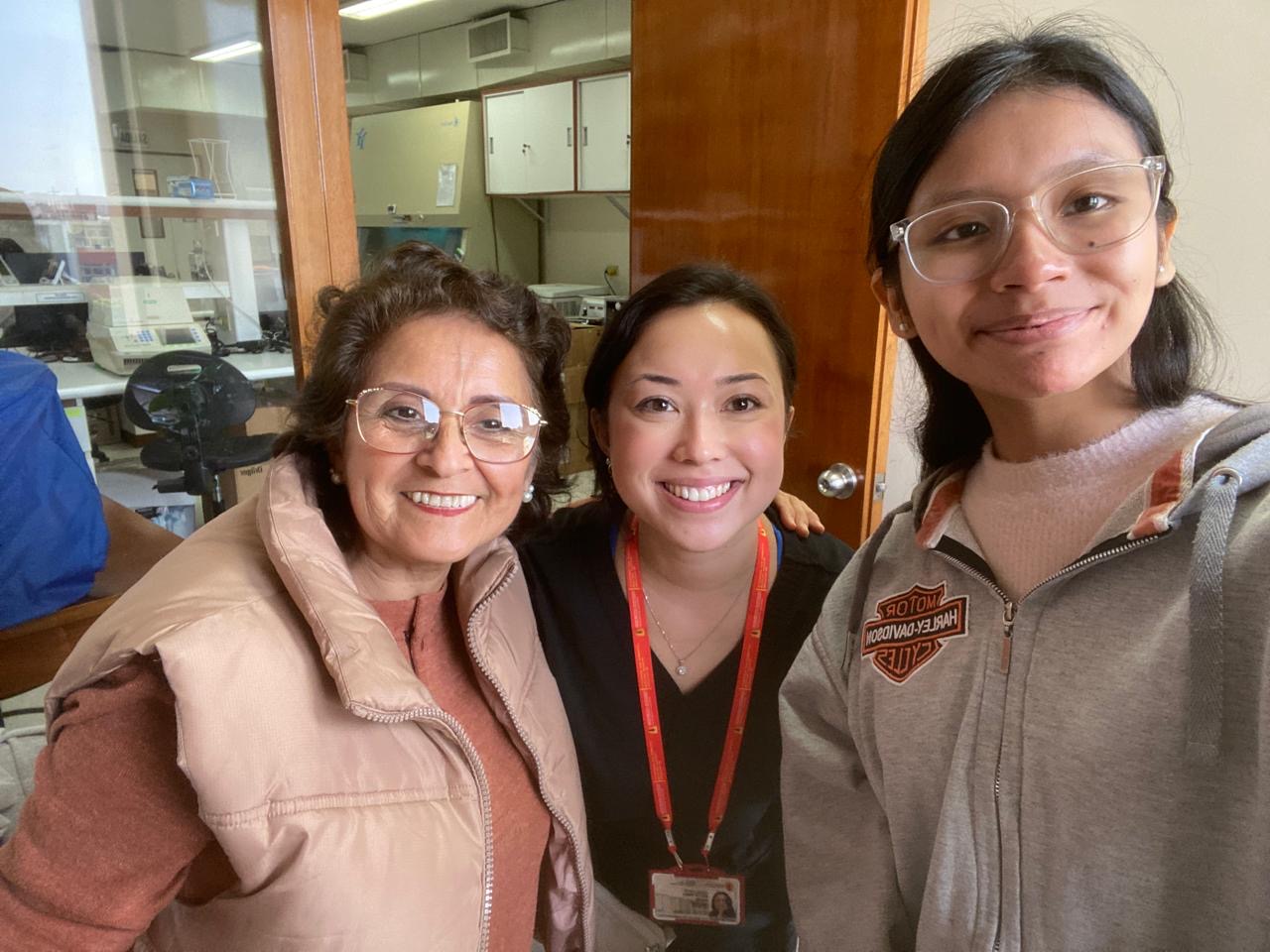
Briana and the education team that help with programming.

SPPH Student Briana Nguyen is Learning Public Health Through Community Partnership and Nutrition Practice in Lima, Peru

As part of Briana Nguyen’s Master of Public Health Applied Practice Experience at The University of Texas Medical Branch, she completed a global public health placement in Lima, Peru, in collaboration with Universidad Peruana Cayetano Heredia (UPCH). El Comedor Ermitaño Alto, a community-based nutrition program serving children ages 6–59 months who had been identified with anemia through the local health center. This experience allowed her to translate her academic training and long-standing interest in maternal and child health into hands-on, field-based public health work in a global setting. The learning environment was grounded in community engagement rather than a traditional academic or clinical structure. El Comedor Ermitaño Alto functions as a neighborhood dining and nutrition support space for children and families experiencing economic insecurity and limited access to consistent food and health services.
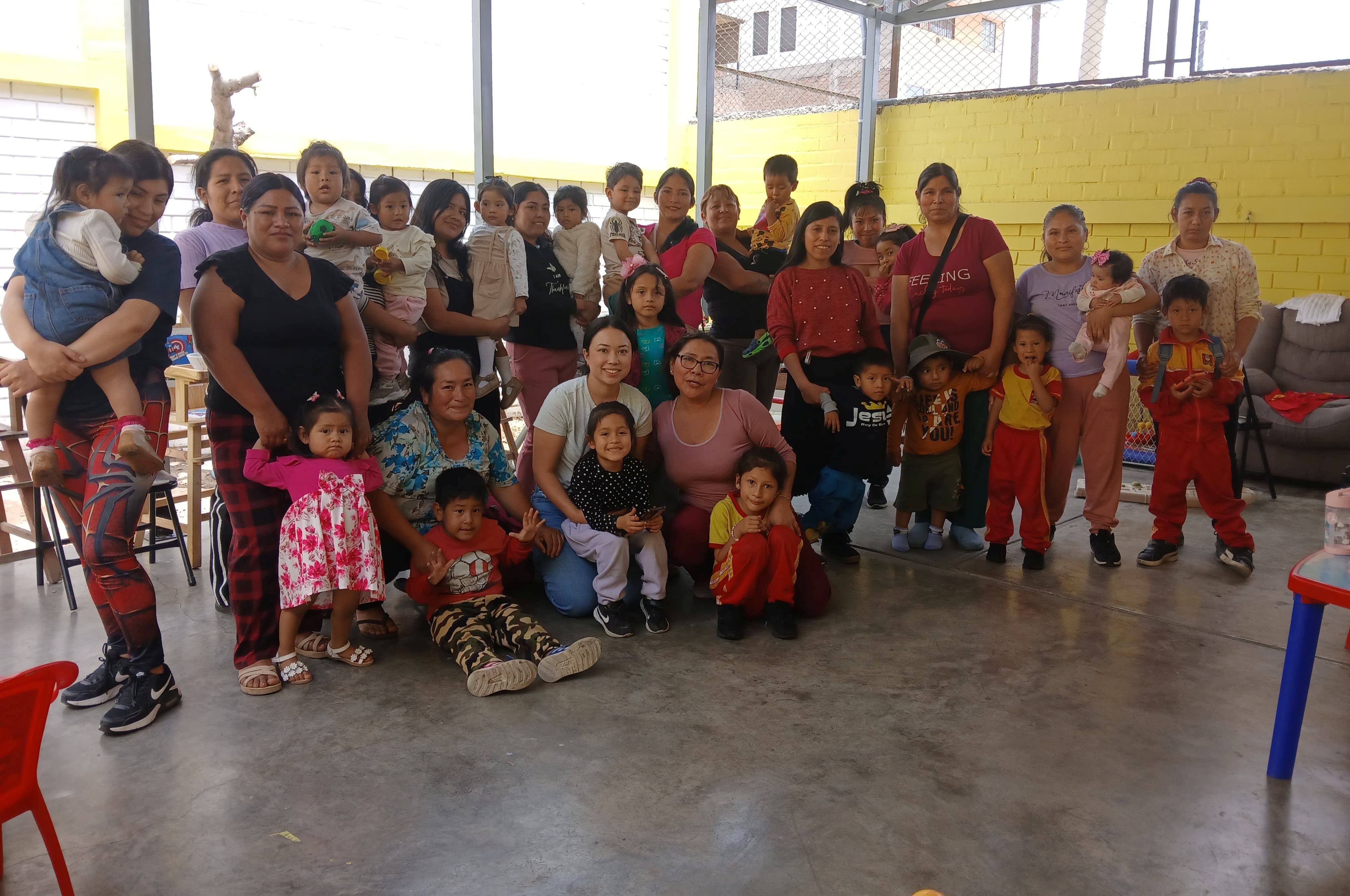
Briana with the moms and children on the last day of rotation!

The program emphasized collective responsibility, mutual support, and strong interpersonal relationships. Mothers were central to the program’s daily operations and long-term sustainability, reinforcing the idea that effective public health work depends on community leadership rather than external direction. One of the most significant differences Briana observed between public health practice in Peru and the United States was the importance placed on relationship-building and flexibility. Timelines and schedules were often fluid, requiring patience and adaptability. Initially, this challenged her expectations around structure and efficiency. Over time, however, she came to understand that trust and rapport were prioritized over rigid timelines, ultimately strengthening program engagement and participation.
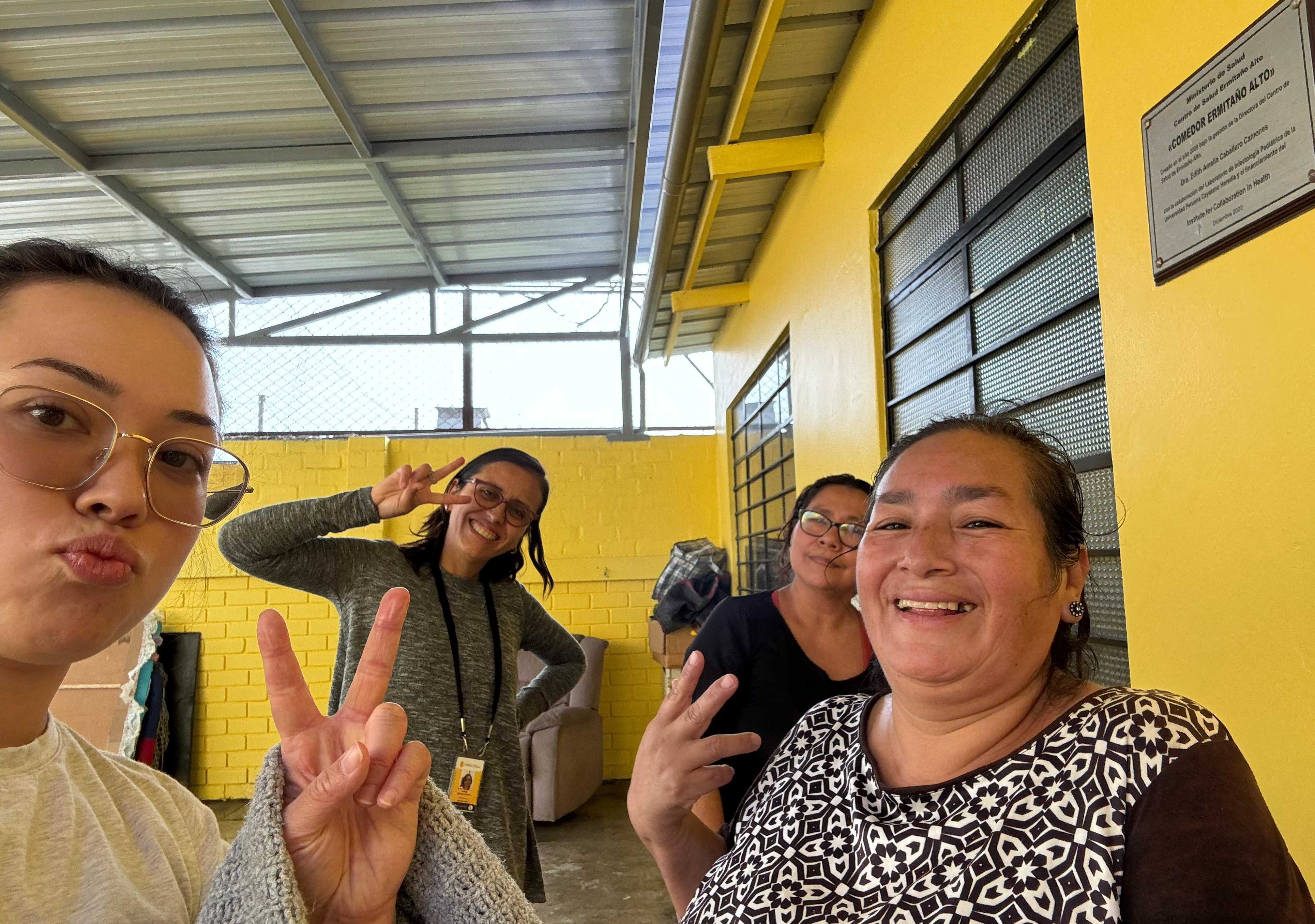
Clean up crew for the newly remodeled space at El Comedor

Data collection presented another important learning opportunity. Records often relied on handwritten documentation, vaccination cards, and caregiver recall, which posed challenges for consistency and accuracy. Working closely with local partners, Briana assisted in cleaning, organizing, and standardizing data while respecting existing systems. This process required balancing methodological rigor with cultural sensitivity and feasibility. It reinforced that evaluation tools must be adapted to local capacity in order to be useful and sustainable.
Living independently within the city allowed for deeper immersion into daily life in Lima. Navigating public transportation using buses and the Metropolitano system became part of my routine, while shopping at local markets provided insight into food availability, affordability, and dietary patterns relevant to the nutrition program. These experiences helped contextualize the social and environmental factors influencing health behaviors and reinforced how closely public health outcomes are tied to everyday living conditions.
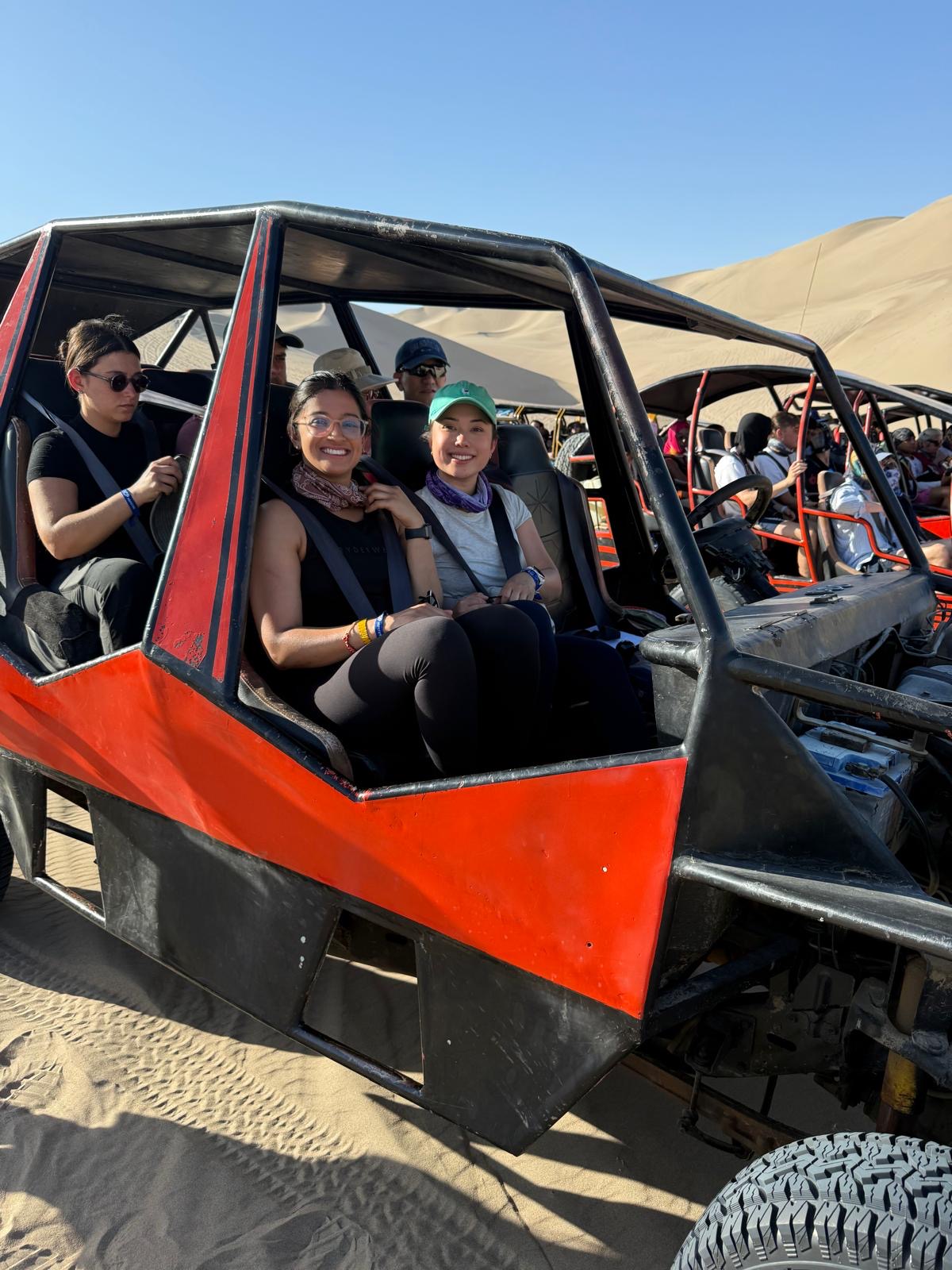
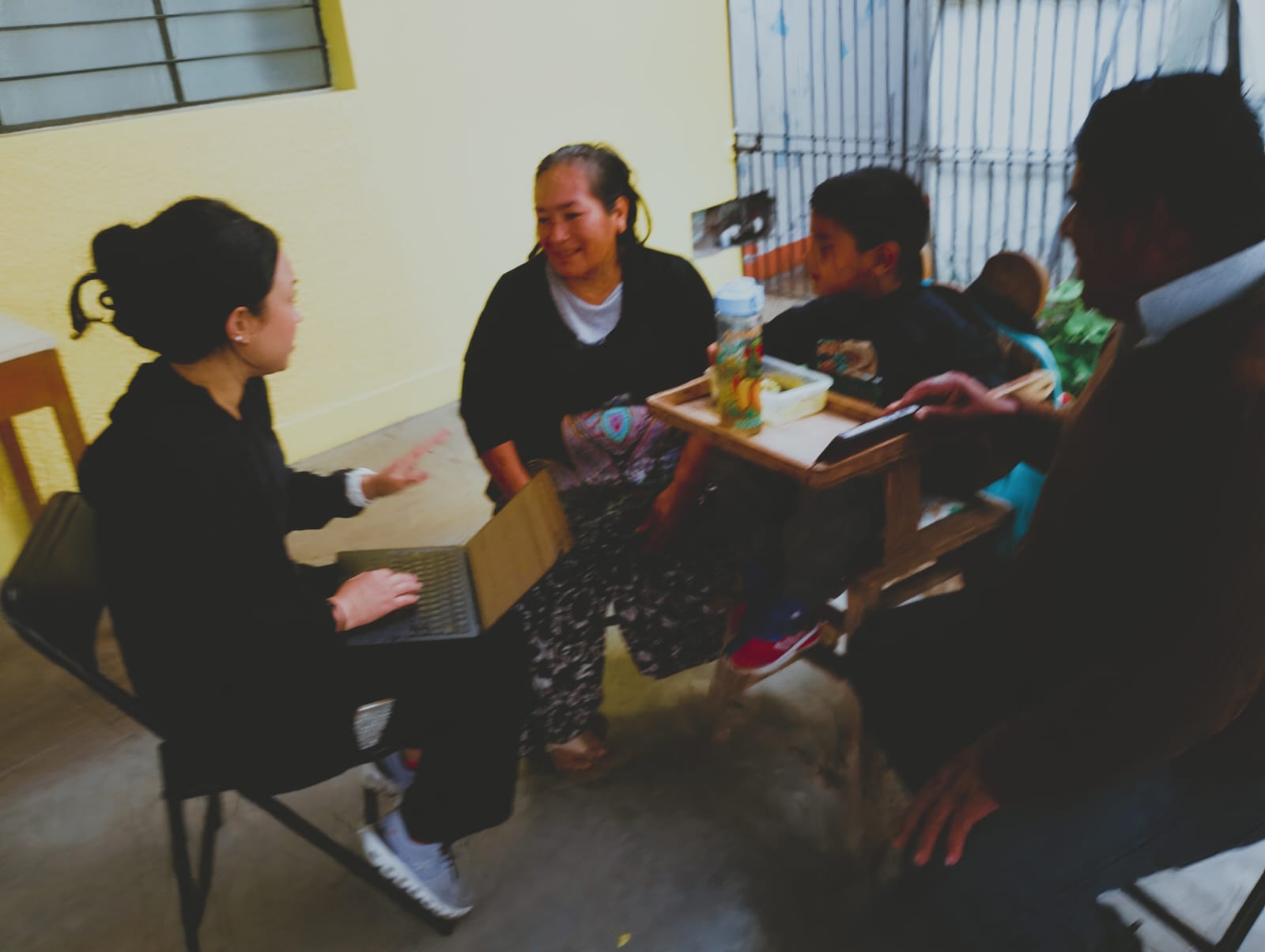
Collaboration with UPCH faculty, students, and community members was central to the experience. Academic partnerships offered exposure to global public health research and implementation, while direct engagement with families at El Comedor revealed the lived realities behind population-level data. Conversations with mothers about feeding practices, childhood illness, and access to care highlighted the importance of culturally appropriate communication and trust in maternal and child health initiatives.
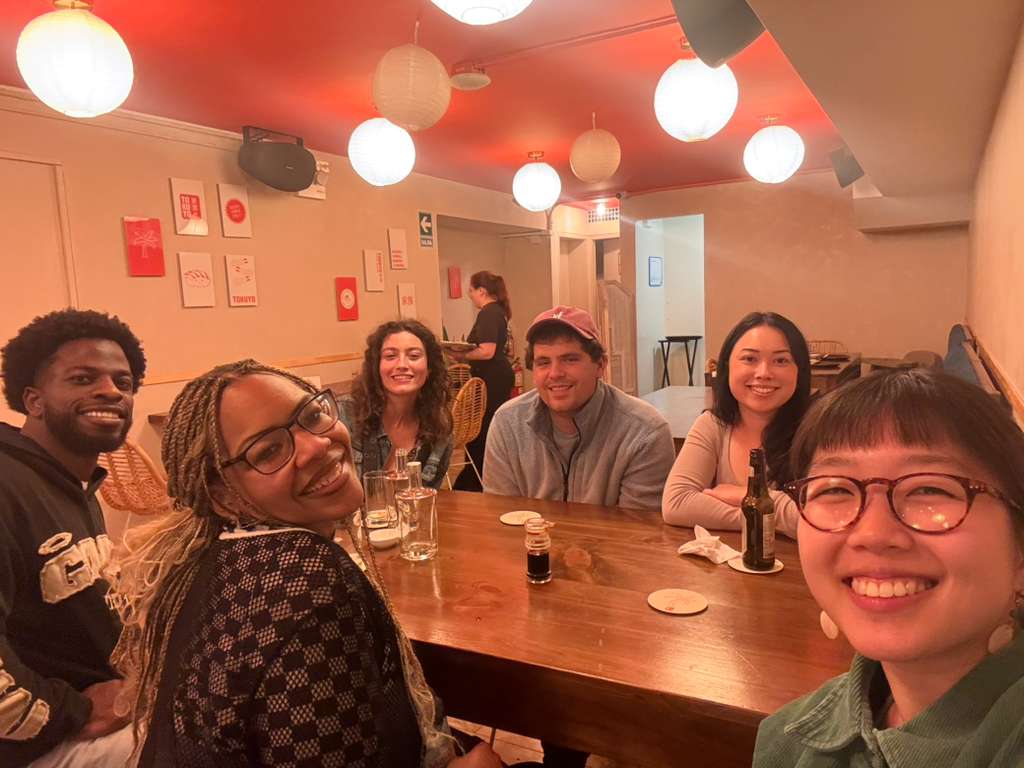
One of the most impactful lessons for Briana from this experience was recognizing how informal, community-run systems often compensate for gaps in formal health infrastructure. Programs like El Comedor Ermitaño Alto play a critical role in addressing nutrition and health education needs that may otherwise go unmet. This experience deepened my appreciation for community-driven solutions and the importance of designing public health programs that align with local strengths and resources. Overall, this experience strengthened her commitment to advancing maternal child health and nutrition for all.

UTMB Global Student Experiences:FAQs

  • What are UTMB Global Student Experiences?

    UTMB Global Student Experiences are structured academic opportunities for students to engage in Educational Program-Based Research Activities that are tied to course credit or are required components of a degree program. These programs are conducted in partnership with trusted global institutions and align with UTMB’s academic mission and the global health priorities identified by partner sites.
  • Who is eligible to participate in these programs?

    Eligibility is determined by each UTMB school or program. Generally, participants must:

    • Be a current UTMB student in good academic standing

    • Meet all program-specific prerequisites (e.g., language proficiency, coursework, clinical training)

    • Comply with UTMB’s international travel, risk, and compliance protocols
  • How can I find available global programs?

    Visit the UTMB Global Portal to explore institutionally approved opportunities. Programs are listed only if education agreements are secured and active. You can search program listings by:

    • Country or region

    • Area of focus (e.g., community health, biomedical research, clinical training)

    • Duration and application timelines

    Note: Global programs are school-specific. If you do not see a program listed in the portal, contact your school’s leadership or Global Health faculty for more information.

  • What is the application process?

    The general steps include:

    1. Submit an application via the UTMB Global Portal
    2. Application is reviewed by your school leadership
    3. Upon acceptance, ensure your school submits a Travel Authorization request and registers you for course credit
    4. Complete mandatory pre-departure orientation and documentation
    5. Begin your global experience
  • Is funding or financial aid available?

    Most programs are self-funded. Students are encouraged to:

    • Consult their school or department for internal travel awards or stipends

    • Explore external fellowships, scholarships, or research grants

    • Budget for airfare, lodging, travel insurance, and personal expenses

    Financial planning should begin only after you have received institutional approval to travel, and ideally at least 4–6 months before your intended travel period.

  • What are the safety and risk management procedures?

    UTMB’s safety and risk management procedures ensure that travelers on international university-sponsored trips have access to emergency medical support, evacuation services, destination-specific travel alerts, incident monitoring, and travel tracking while abroad. These services are provided through the UT System’s international safety and risk management program, On Call International.

    All international university-sponsored travel must be registered with On Call International before departure. On Call International is a free, comprehensive medical and security response organization available to all UTMB employees and students traveling outside the U.S. on university business or university-sponsored trips. Registration is mandatory under the UT System International Travel Policy (UTS 190, Sec. 6).

    How to Register:

    • If you booked through a UT System contract travel agency (Anthony Travel or Corporate Travel Planners):

      • Your itinerary is automatically registered with On Call International.

    • If you booked through another source:

  • Can I receive academic credit for my global experience?

    Yes. Global experiences listed in the Global Program Catalogue are active, institutionally approved UTMB-affiliated sites with education agreements in place. These agreements allow eligible students to receive academic credit for:

    • Dissertation projects, capstone experiences, Applied Practice Experiences (APEs), or Integrated Learning Experiences (ILEs)

    • Quality improvement or service-learning initiatives

    • Academic enrichment activities aligned with educational goals

    • Clinical observerships or hands-on training not intended for research

    Students must consult with their academic advisor to confirm credit eligibility before making travel arrangements.

  • Can non-UTMB students participate in these programs?

    No. UTMB Global Student Experiences are limited to currently enrolled UTMB students.

  • Who do I contact with questions or to begin the process?

    For general inquiries or to start your global experience application:

    Email: globaloperations@utmb.edu

    You may also speak with your academic advisor or your school’s global program liaison.

Office of the Provost - Global Operations

 globaloperations@utmb.edu

Physical Address

301 8th Street
Suite 5.106, Administration Building
Galveston, Texas 77555

Mailing Address

301 University Boulevard
Suite 5.106, Administration Building
Galveston, Texas 77555-0133