People Refusing Vitamin K Shots for Newborns
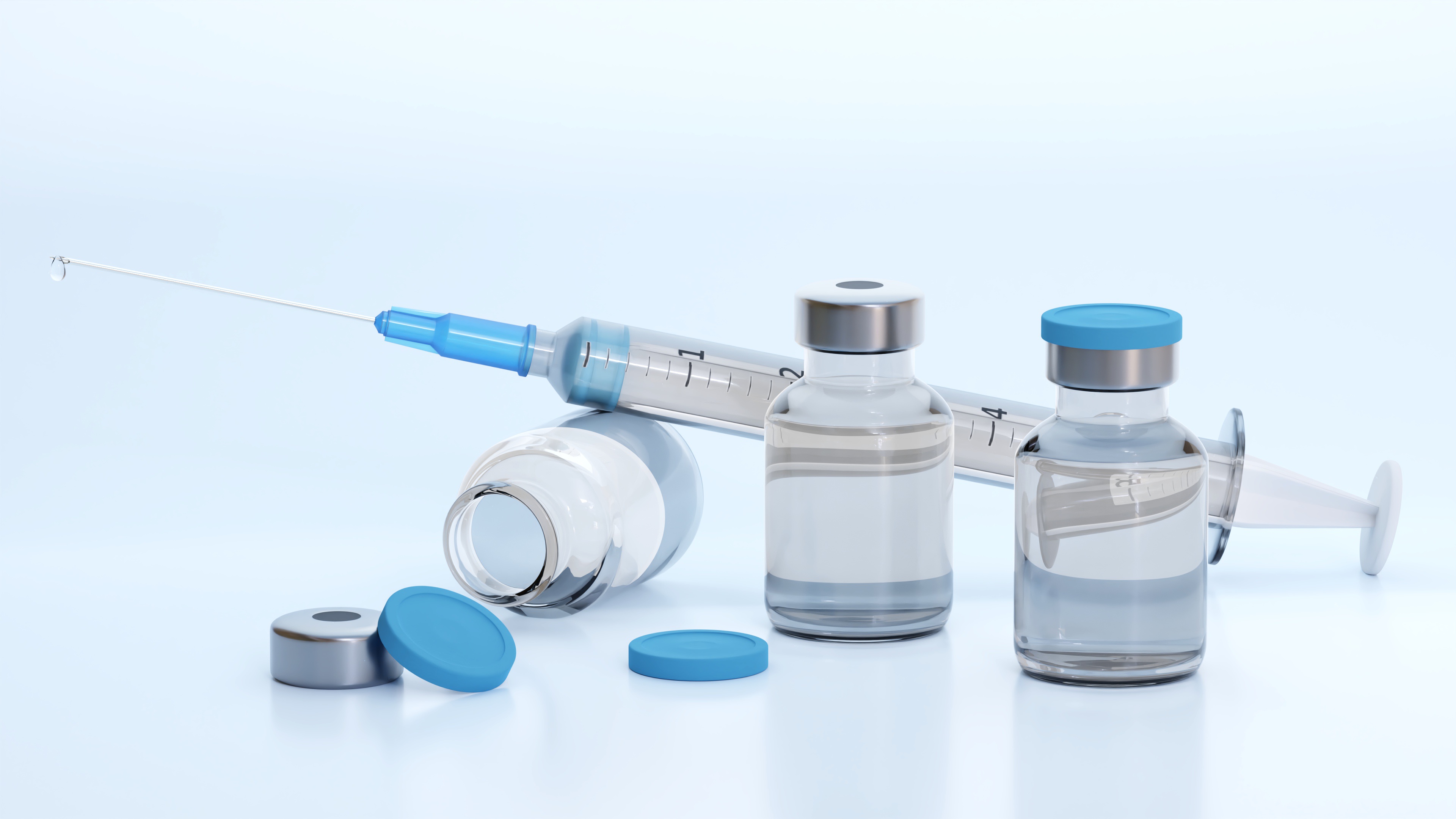
The anti-vaccine movement that rose during the pandemic is now spreading to other treatments for newborns. Parents are declining vitamin K shots for their newborns, questioning its necessity and potential side effects.
In a large study of 5 million babies in 2024, the refusal rate has risen from nearly 3 percent to more than 5 percent. That’s concerning because Vitamin K can be a lifesaver to babies, shielding them from hemorrhages by stabilizing blood clots. Since we can only get this fat-soluble vitamin from our diet, newborns are born with low levels of it and very little is in breast milk. So, until they start on solid foods at six months, they’re at risk of developing rare but deadly bleeding in the brain or stomach.
Newborns can start bleeding soon after birth, within the first week, or in 2 weeks to 6 months. This late period bleed can go unnoticed since they usually happen in the brain without any head trauma. Late bleeds occur in 4 to 7 babies out of every 100,000 who do not receive vitamin K at birth. According to the CDC, one in every five babies with vitamin K deficiency bleeding will die. But the risk drops to nearly zero with vitamin K injections. Now babies are dying of bleeding that could have been prevented by vitamin K injections. In 2024, more than 700 babies died of brain bleeding.
But the data does not parse out if lack of vitamin K as the cause. Talk to your doctor before rejecting treatment for your newborn.
More Information
Trends in Vitamin K Administration Among Infants
Public skepticism regarding pediatric preventive interventions has grown after the COVID-19 pandemic. Whether national rates of intramuscular vitamin K administration have changed in this period is unknown. This study aimed to evaluate whether the proportion of newborns not receiving intramuscular vitamin K has increased in recent years and identify factors associated with nonreceipt.
Prophylaxis of intracranial hemorrhage due to vitamin K deficiency in infants
To determine the most effective way of preventing intracranial hemorrhage due to vitamin K deficiency in infants, we first performed a comparative study using Normotest on the effects of several regimens for the oral administration of vitamin K2. The incidence of this disease in infants with vitamin K prophylaxis was 1/68,500, which was one-twentieth of that (1/3,500 live births) before the period when most neonates received vitamin K prophylaxis. From the results, we concluded that the oral administration of vitamin K2 at birth and 1 week of age prevents this disease.
Babies are bleeding to death as parents reject a vitamin shot given at birth
Vitamin K shots, which help the blood to clot, are one of three key interventions for newborns, along with an antibiotic eye ointment and the hepatitis B vaccine. The government doesn’t track vitamin K rejections, but hospitals have seen a rise in parents opting out of the shots for their newborns, often driven by unfounded fears. Hundreds of children die each year from spontaneous bleeding in the brain, a common result of vitamin K deficiency, suggesting that many related deaths go unreported.