Medical Discovery NewsBridging the World of Medical Discovery and You

Recent Episodes

  • lab beakers and flasks

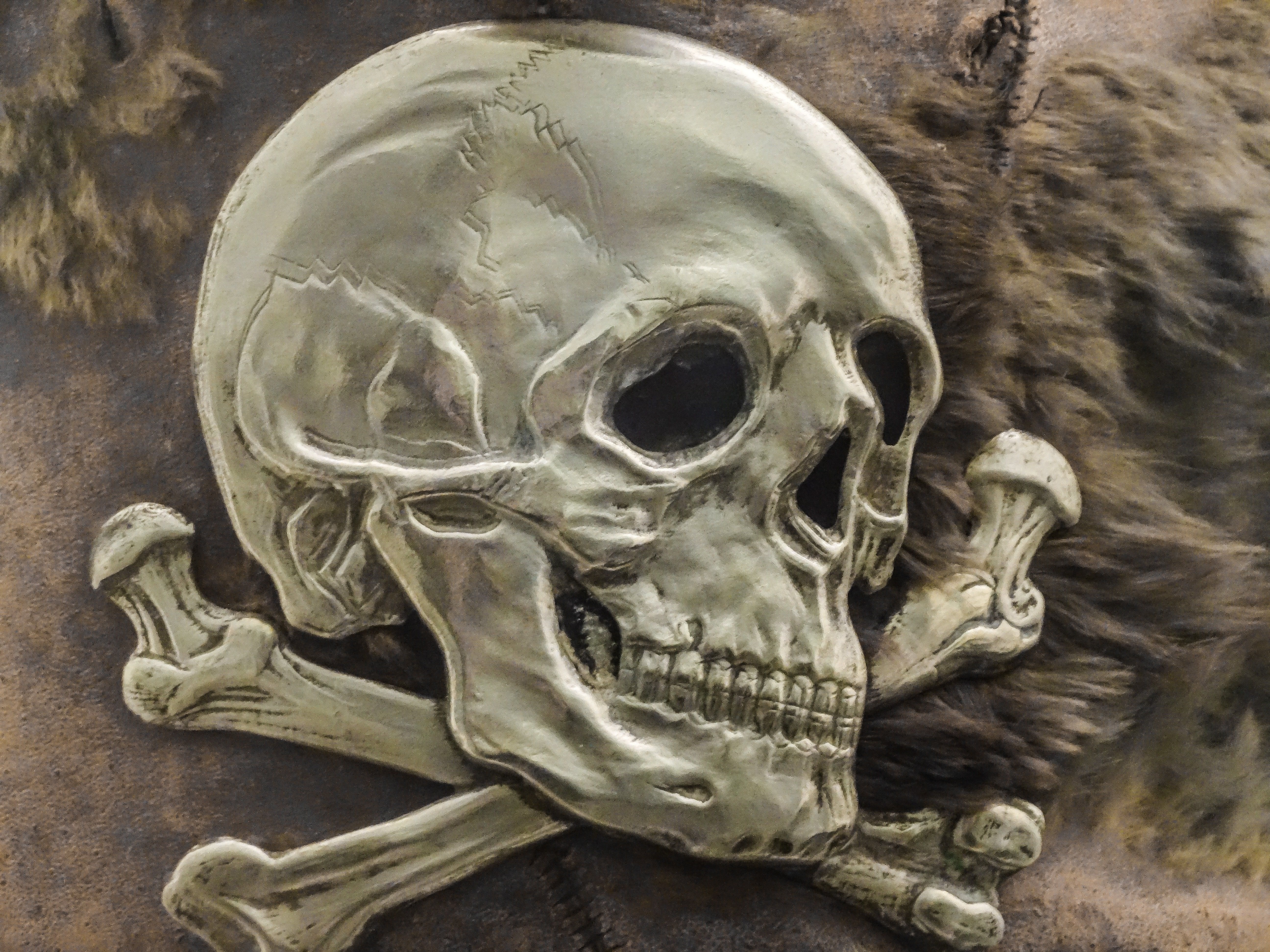
    The Chemistry of Mercury

    Episode 996 Release 229

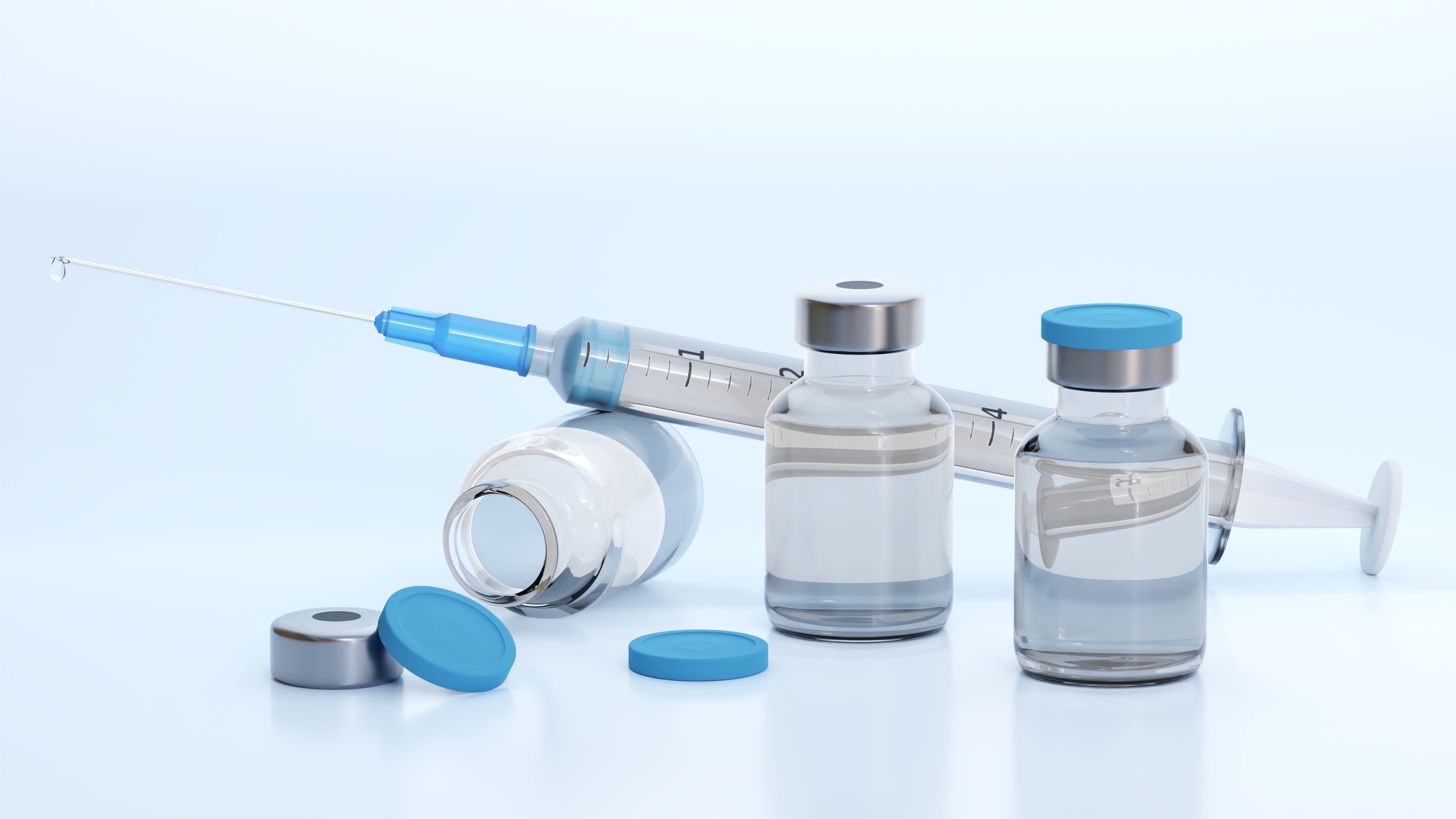
    When Robert F. Kennedy Jr. ordered at the end of July that the remaining uses of ethylmercury in vaccines be removed, it was political. For years before President Trump appointed Kennedy cabinet head to oversee our nation's top health agencies, he was a vaccine skeptic who blamed this form of mercury for autism. Yet study after study has debunked this claim, so let's get a short chemistry lesson to explain why. Ethylmercury is also known as thimerosal, and, for years, was safely used to preserve some vaccines.

  • Nobel medal

    Nobel the Man behind the Ultimate Science Prizes

    Episode 995 Release 229

    This month, we honor the Nobel Prizes, science's highest award, named for Alfred Nobel, the Swedish inventor and industrialist.

  • hand with prune fingers

    Why Do We Prune in Water?

    Episode 994 Release 229

    Some of our body's automatic functions remain a mystery. For example, why do our fingers prune after some time in the water? We don't know, but a new study suggests it improves our grip on wet objects. There's a term for pruning called water-induced finger wrinkling. Yep, there's a term for that.

  • stacked petri dishes

    Is Your Microbiome Connected to Your Pain

    Episode 993 Release 228

    We're learning more, every day, about the role microbes play in our health. The largest and most diverse collection of microbes lives in our intestinal tract. They affect our immune system, appetite, digestion of food, how we store fat, and produce essential nutrients such as vitamin K. An unhealthy gut can raise our risk for inflammatory bowel disease, diabetes, allergies, and some cancers.

  • illustration of a mouse

    The Ultimate in Grow Your Own (Ears)

    Episode 992 Release 228

    Evolution generally means we get stronger and smarter, but not always. Humans, for example, can't regrow limbs once we've lost them, while some animals can.

 Medicine...

Medicine is constantly advancing – that is a great thing about life in the 21st century. But it doesn’t just happen. Dedicated biomedical scientists are making discoveries that translate into those new medical advances.

Biomedical science is broad, encompassing everything from social science to microbiology, biochemistry, epidemiology, to structural biology and bioinformatics to name just a few areas. And, it can involve basic fundamental biology, the use of AI and chemistry to clinical studies that evaluate new medicines in patients.

No matter the research focus, the goal is always the same, to advance human health. It may take a few months, a few years or for fundamental science, a few decades. Few people make the connection that biomedical science is medicine and that biomedical scientists are working today on the medicine of tomorrow. Our weekly 500-word newspaper columns and 2-minute radio shows and podcasts provide insights into a broad range of biomedical science topics.

Medical Discovery News is dedicated to explaining discoveries in biomedical research and their promise for the future of medicine.

Podcasts

Alternatively, you can copy and paste the following web address (URL) into iTunes as a new subscription:
https://www.medicaldiscoverynews.com/shows/audio/mdnews.rss

You can also search and subscribe to "Medical Discovery News" in the podcast section of iTunes.

See all podcasts and radio stations

The www.medicaldiscoverynews.com web site and Medical Discovery News radio program (Program) are made possible by The University of Texas Medical Branch at Galveston (UTMB)as a community service and are intended to advance UTMB's mission of providing scholarly teaching, innovative scientific investigation, and state-of-the-art patient care in a learning environment to better the health of society and its commitment to the discovery of new innovative biomedical and health services knowledge leading to increasingly effective and accessible health care for the citizens of Texas.

All information provided on the web site and in the Program is for informational purposes only and is not intended for use as diagnosis or treatment of a health problem or as a substitute for consulting a licensed medical professional. Any information obtained by participating as a web site visitor or program listener is not intended to and should not be considered to constitute medical advice.

Thoughts and opinions expressed on the Program or on the website are those of the authors or guests and do not necessarily reflect the opinions of UTMB. The provision of links to other websites is not to be construed as written or implied sponsorship or endorsement of such websites by UTMB.

Please contact Dr. David Niesel or Dr. Norbert Herzog via email with any concerns, suggestions or comments.

All rights are reserved to information provided on the website or other information sources. No part of these programs can be reproduced stored in a retrieval system or transcribed in any form or by any means for personal or financial gained without the express written permission of Drs. Niesel and Dr. Herzog.