Recent Episodes
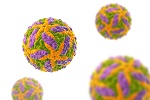
A Cancer Fighting Tool?
The serendipity of science continues to amaze us. One of our colleagues who has been working successfully on a vaccine for the Zika virus also discovered that the virus may be able to treat a deadly brain cancer. It's astounding, Dave. This is why I love science.
So, many of you know that the Zika virus is most harmful to babies in the womb because some of these infants are born with small brains. Many don't survive past adolescence.
The virus ravaged Brazil in two thousand sixteen and then a year later, Zika showed up in the US for the first time through mosquito infection. So, our colleague here at UTMB, Dr. Pei-yong Shi developed a vaccine that's already in clinical trials in Brazil and trials are also planned in the US.
Even more exciting was that Dr. Shi and his colleagues discovered a property in the Zika virus that they're exploiting to kill brain cancer cells. When they were working with their vaccine which is an engineered, non-disease causing form of the virus, they confirmed that it did not kill normal brain cells. But they discovered it did infect and kill glioblastoma cancer cells in the lab.
That's because these cancer cells have properties like nerve precursor cells, making them a target for the Zika virus. It's an exciting discovery because people diagnosed with glioblastoma only live an average of eighteen months.
When used on mice, the vaccine destroyed the tumor without affecting healthy cells. It'll be some time before human trials can be possible, but if effective, this virus will make headlines for something much more positive.
More Information
Zika Infects Neural Progenitors
Scientists provide a potential biological link between Zika virus infection and microcephaly...
Zika virus: Your questions answered
First isolated in 1947 and first described in a paper in 1952, Zika has long been known to occur in Africa and Southeast Asia'but until a decade ago, fewer than 15 cases had been described in the scientific literature. In 2007, the virus caused a big outbreak on Yap, an island group in the Western Pacific that is part of the Federated States of Micronesia; since then, it went on a major tour of other Pacific Islands before it landed in Brazil, from where it started spreading rapidly to other parts of South America, Central America, Mexico, and the Caribbean...
Scientists used Zika to kill aggressive brain cancer cells in mice
If it works in humans, it could help eliminate one of the deadliest forms of cancer...