Recent Episodes
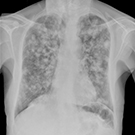
A Close-Up Look at Metastasis
When people die of cancer, ninety percent do because the cancer cells had spread to other tissues. This is called metastasis, but we didn't know how the cells managed to move.
We may now because researchers developed a tool allowing us to see the process. They created a 3-D collagen matrix within a micro chamber on a lab chip that resembles human tissue that surrounds cells. They then created an artificial blood vessel that runs through the matrix using human endothelial cells just like the ones that line real blood vessels. Next, they simulate the flow of blood by filling it with nutrient rich fluid. To this artificial tissue they added breast cancer cells either individually or in clumps. They were able to capture on video what happens next.
By labeling the tumor cells with fluorescent dyes, they watched the tumor cells dissolve some of the matrix surrounding them, forming a tunnel. The tumor cells moved back and forth within this tunnel until they attach to the endothelial cells, changing shape, and forcing their way between them. Once they did, the fluid in the artificial vessel swept the tumor cells away.
You can watch the video in a links provided on our website on this episode. We think the process mirrors what happens to tumor cells in the body. They make their way into blood and lymph vessels which carries them to other locations in the body. By the time cancer patients are diagnosed, sixty percent are already in metastasis.
So, this tool could be the start to understanding and preventing the ability of tumors to spread. Scientists plan to use the tool to watch how various cancer-fighting drugs perform. Even if they slow metastasis, that's a start.
More Information
Metastatic cancer
Lots of information from the NIH National Cancer Institute
What is metastatic cancer?
From the American Cancer Society
Moving cancer research out of the Petri dish and into the third dimension
From Johns Hopkins University, where this work is taking place