Medical Discovery NewsBridging the World of Medical Discovery and You

Recent Episodes

A personalized vaccine for cancer

MP3 WAV

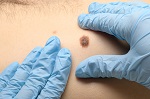
  • Imagine a vaccine made specifically for you and for fighting a deadly cancer. Sounds unlikely and yet one is being developed for Melanoma called NeoVax. Melanoma is a deadly skin cancer that involves melanocytes which are cells that give skin its color. It's deadly because the cancer cells can metastasize quickly which means to spread to other parts of the body.

    The vaccine study involved patients with a high chance for reoccurrence even after tumors were removed. The vaccine works through molecules called neoantigens, which are protein-based molecules on the surface of cancer cells. Scientists created the personalized vaccine by using twenty of these neoantigens from each patient. By receiving the neoantigens created from their own cancer cells, patients generated melanoma specific T cells that became their cancer killers. Even though the study involved just eight patients, they were all alive with six showing no evidence of disease four YEARS later. And what's key is T cells from all patients continued to recognize the original neoantigens over the entire study.

    Even more surprising is the NeoVax T cells began to recognize NEW cancer cell antigens on the melanoma cells, keeping the vaccine effective longer. But how accessible would NeoVax be at sixty thousand dollars to produce for each patient? Costs do normally drop with time, so if this works, we'll see a lot more people survive.

More Information

Personal neoantigen vaccines induce persistent memory T cell responses and epitope spreading in patients with melanoma
Personal neoantigen vaccines have been envisioned as an effective approach to induce, amplify and diversify antitumor T cell responses. To define the long-term effects of such a vaccine, we evaluated the clinical outcome and circulating immune responses of eight patients with surgically resected stage IIIB/C or IVM1a/b melanoma, at a median of almost 4 years after treatment with NeoVax, a long-peptide vaccine targeting up to 20 personal neoantigens per patient...

Personalized skin cancer vaccine demonstrates long-term effectiveness
New research published in the journal Nature is outlining the long-term efficacy of a novel type of cancer vaccine. The research followed eight skin cancer patients and discovered the experimental treatment offers durable and persistent immune responses to cancer cells up to four years later...


Two individuals wearing headphones stand in a recording booth, speaking into microphones with a music stand holding printed pages between them.

 Medicine...

Medicine is constantly advancing – that is a great thing about life in the 21st century. But it doesn’t just happen. Dedicated biomedical scientists are making discoveries that translate into those new medical advances.

Biomedical science is broad, encompassing everything from social science to microbiology, biochemistry, epidemiology, to structural biology and bioinformatics to name just a few areas. And, it can involve basic fundamental biology, the use of AI and chemistry to clinical studies that evaluate new medicines in patients.

No matter the research focus, the goal is always the same, to advance human health. It may take a few months, a few years or for fundamental science, a few decades. Few people make the connection that biomedical science is medicine and that biomedical scientists are working today on the medicine of tomorrow. Our weekly 500-word newspaper columns and 2-minute radio shows and podcasts provide insights into a broad range of biomedical science topics.

Medical Discovery News is dedicated to explaining discoveries in biomedical research and their promise for the future of medicine.

Podcasts

Alternatively, you can copy and paste the following web address (URL) into iTunes as a new subscription:
https://www.medicaldiscoverynews.com/shows/audio/mdnews.rss

You can also search and subscribe to "Medical Discovery News" in the podcast section of iTunes.

The www.medicaldiscoverynews.com web site and Medical Discovery News radio program (Program) are made possible by The University of Texas Medical Branch at Galveston (UTMB)as a community service and are intended to advance UTMB's mission of providing scholarly teaching, innovative scientific investigation, and state-of-the-art patient care in a learning environment to better the health of society and its commitment to the discovery of new innovative biomedical and health services knowledge leading to increasingly effective and accessible health care for the citizens of Texas.

All information provided on the web site and in the Program is for informational purposes only and is not intended for use as diagnosis or treatment of a health problem or as a substitute for consulting a licensed medical professional. Any information obtained by participating as a web site visitor or program listener is not intended to and should not be considered to constitute medical advice.

Thoughts and opinions expressed on the Program or on the website are those of the authors or guests and do not necessarily reflect the opinions of UTMB. The provision of links to other websites is not to be construed as written or implied sponsorship or endorsement of such websites by UTMB.

Please contact Dr. David Niesel or Dr. Norbert Herzog via email with any concerns, suggestions or comments.

All rights are reserved to information provided on the website or other information sources. No part of these programs can be reproduced stored in a retrieval system or transcribed in any form or by any means for personal or financial gained without the express written permission of Drs. Niesel and Dr. Herzog.




