Medical Discovery NewsBridging the World of Medical Discovery and You

Recent Episodes

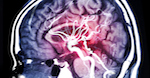
A Small (Micro) Advance to Combat Stroke

MP3 WAV

  • It's possible that the bacteria in our gut has a say in how well we survive and recover from stroke which is just remarkable. I agree. It just keeps amazing me how integral our microbiome is to our health. These are the bacteria, viruses and fungi in and on us.

    What this study tells us is that as we age, one of two major groups of bacteria in our gut increases, the Firmicutes. This increase has been linked to heart disease, diabetes, and dementia. So, here's a case where our small friends can hurt us.

    After a stroke, inflammation occurs because immune cells from across the body, including the gut, migrate to the damaged brain tissues. The gut is actually the second largest source of immune cells in the body. Here's something you may not know. These immune cells release chemicals that enhance the inflammation and that contributes to the brain damage after stroke.

    What researchers discovered is when they transferred gut microbiome from young mice to aged mice and induced stroke in the aged mice, fewer died and others healed more quickly. That's because there were fewer of the immune cells that cause inflammation present.

    Next, the study will focus on learning whether the aged microbiome produces harmful chemicals that damages brain tissue or whether the young microbiome produces a protective chemical. Learning how this works could mean harnessing our microbe friends to help us manage stroke so that it will no longer be the fifth leading cause of death in the US.

More Information

CD200-CD200R1 Inhibitory Signaling Prevents Spontaneous Bacterial Infection and Promotes Resolution of Neuroinflammation and Recovery After Stroke
This study defines an essential role of CD200-CD200R1 signaling in stroke. Loss of CD200R1 led to high mortality, increased rates of post-stroke infection, and enhanced entry of peripheral leukocytes into the brain after ischemia, with no increase in infarct size. This suggests that the loss of CD200 receptor leads to enhanced peripheral inflammation that is triggered by brain injury...

Age-related Changes in the Gut Microbiota Influence Systemic Inflammation and Stroke Outcome
TAged biome increased the levels of systemic proinflammatory cytokines. We conclude that the gut microbiota can be modified to positively impact outcomes from age-related diseases...

CDC: Stroke Facts
Find facts and statistics about stroke in the United States...
Two individuals wearing headphones stand in a recording booth, speaking into microphones with a music stand holding printed pages between them.

 Medicine...

Medicine is constantly advancing – that is a great thing about life in the 21st century. But it doesn’t just happen. Dedicated biomedical scientists are making discoveries that translate into those new medical advances.

Biomedical science is broad, encompassing everything from social science to microbiology, biochemistry, epidemiology, to structural biology and bioinformatics to name just a few areas. And, it can involve basic fundamental biology, the use of AI and chemistry to clinical studies that evaluate new medicines in patients.

No matter the research focus, the goal is always the same, to advance human health. It may take a few months, a few years or for fundamental science, a few decades. Few people make the connection that biomedical science is medicine and that biomedical scientists are working today on the medicine of tomorrow. Our weekly 500-word newspaper columns and 2-minute radio shows and podcasts provide insights into a broad range of biomedical science topics.

Medical Discovery News is dedicated to explaining discoveries in biomedical research and their promise for the future of medicine.

Podcasts

Alternatively, you can copy and paste the following web address (URL) into iTunes as a new subscription:
https://www.medicaldiscoverynews.com/shows/audio/mdnews.rss

You can also search and subscribe to "Medical Discovery News" in the podcast section of iTunes.

The www.medicaldiscoverynews.com web site and Medical Discovery News radio program (Program) are made possible by The University of Texas Medical Branch at Galveston (UTMB)as a community service and are intended to advance UTMB's mission of providing scholarly teaching, innovative scientific investigation, and state-of-the-art patient care in a learning environment to better the health of society and its commitment to the discovery of new innovative biomedical and health services knowledge leading to increasingly effective and accessible health care for the citizens of Texas.

All information provided on the web site and in the Program is for informational purposes only and is not intended for use as diagnosis or treatment of a health problem or as a substitute for consulting a licensed medical professional. Any information obtained by participating as a web site visitor or program listener is not intended to and should not be considered to constitute medical advice.

Thoughts and opinions expressed on the Program or on the website are those of the authors or guests and do not necessarily reflect the opinions of UTMB. The provision of links to other websites is not to be construed as written or implied sponsorship or endorsement of such websites by UTMB.

Please contact Dr. David Niesel or Dr. Norbert Herzog via email with any concerns, suggestions or comments.

All rights are reserved to information provided on the website or other information sources. No part of these programs can be reproduced stored in a retrieval system or transcribed in any form or by any means for personal or financial gained without the express written permission of Drs. Niesel and Dr. Herzog.