Recent Episodes
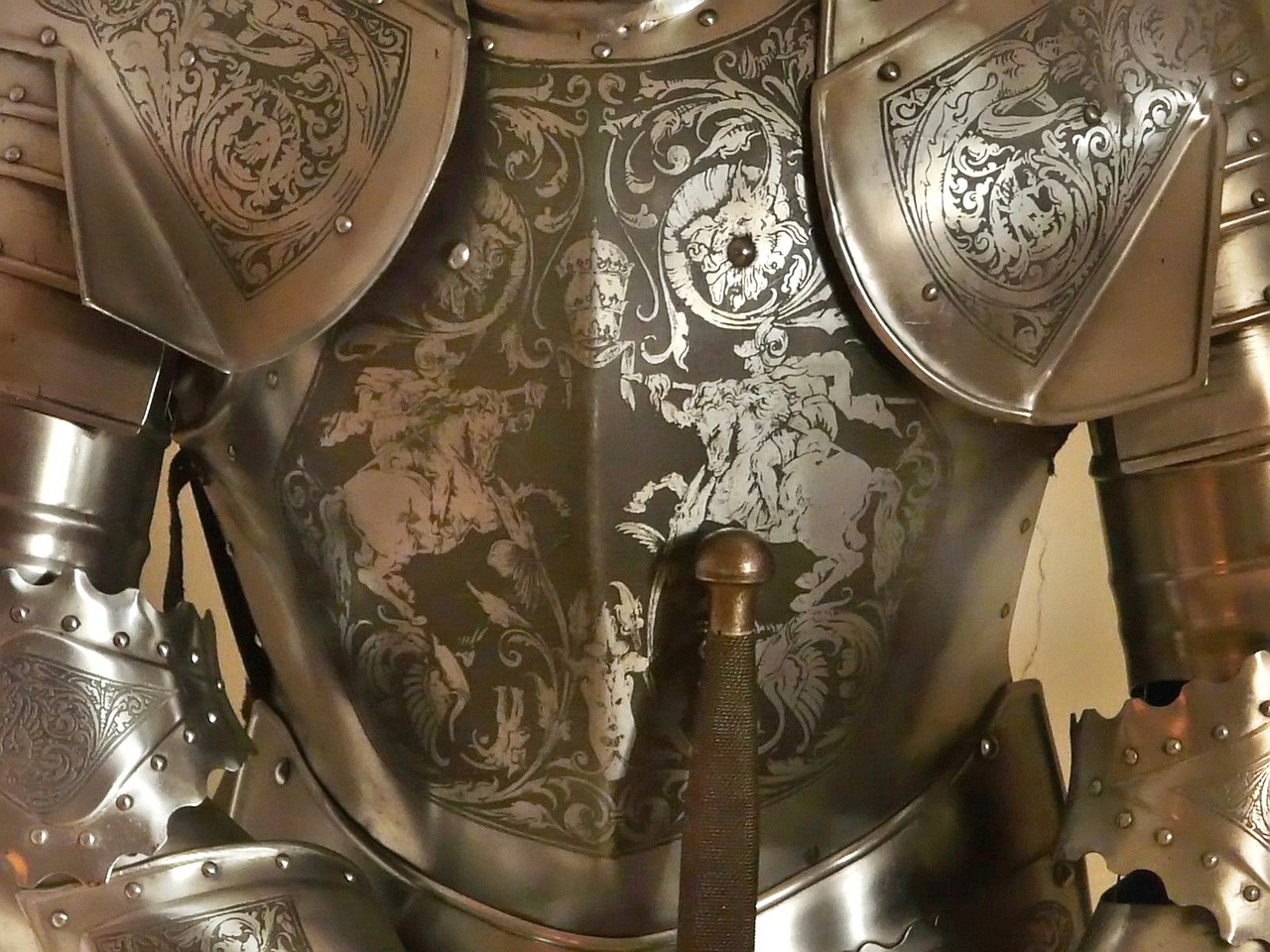
A Unique Knight
Among the remains of medieval Spanish knights at a castle just east of Madrid, scientists found a uniquely shaped skull. It was unusually narrow and long, measuring 9 inches long by four inches wide compared to a normal 5.5 by 5.5 inch skull.
Archeologists were digging at Zorita de los Canes Castle, which was a key defense post. In the late 1100s, it was granted to the Order of Calatrava, a military-religious group with great political influence. Yet, few studies have examined the skeletal remains of its members. The unusual skull is one of the newest discoveries. Scientists think the Knight had a severe case of the genetic disease Crouzon Syndrome. It’s when a child’s cranial pieces fuse prematurely, preventing normal growth. The skull should be flexible to allow for birth and rapid brain growth. Otherwise, the skull isn’t allowed to expand which causes abnormal head shapes. Left untreated, the pressure can cause seizures, blindness and brain damage.
Researchers say it’s extraordinary that this man lived to adulthood, especially as a knight. The deformity disrupted movement in his jaw so that his right teeth might have been removed to allow him to eat. Researchers believe the knight died in battle. He had two unhealed stab wounds, one in the left temple and another at the nape of the neck. Crouzon syndrome does not affect cognition. And despite his deformities, he rode a horse and wielded a sword and died in battle alongside his brother knights.
More Information
Crouzon syndrome diagnosed in a knight from the Order of Calatrava, killed in battle over 600 years ago
A URV-led research team has studied some remains that are unique in the field of archaeology: an adult individual with craniosynostosis, a severe congenital cranial deformity, and who lived at the castle of Zorita de los Canes between the 12th and 15th centuries
600-Year-Old Knight Diagnosed With Rare Crouzon Syndrome In First-Of-A-Kind Discovery
The knight belonged to the Order of Calatrava, a Spanish military-religious order from the medieval period.
An Ultradolichocephaly in a Knight of the Order of Calatrava from the Castle of Zorita de los Canes (Guadalajara, Spain) Dated Between the 13th and 15th Centuries
This study presents a paleopathological analysis of individual T4.2 from the archaeological site of the castle of Zorita de los Canes (Guadalajara, Spain). The individual exhibits ultradolichocephaly and was dated between the 13th and 15th centuries. Based on the context, the individual could have been a member of the military–religious Order of Calatrava.