Recent Episodes
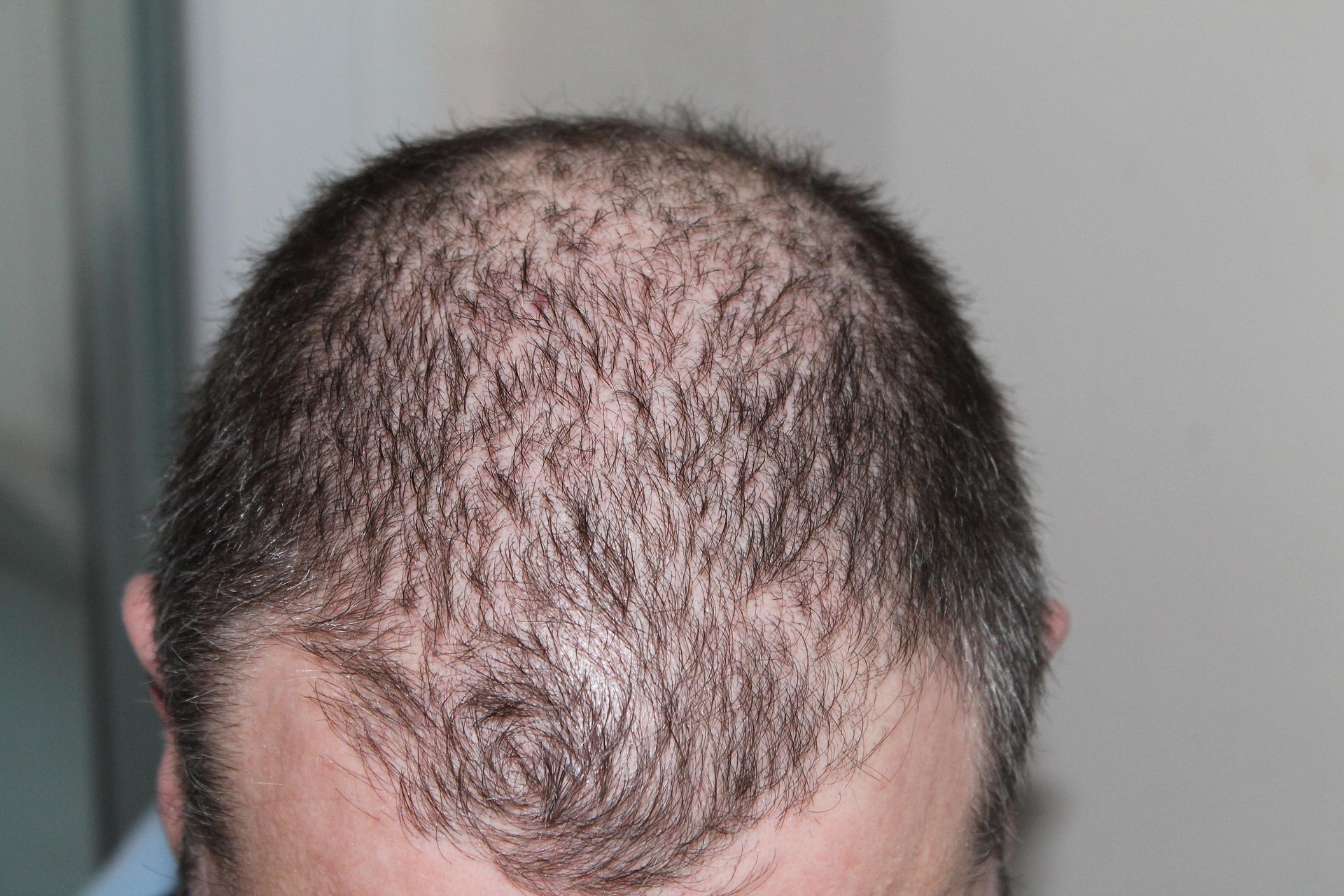
Alopecia Gene
Hair loss is tough, but for people with alopecia areata, it’s even harder. The autoimmune disease causes hair to fall out in patches, leaving many to rely on wigs or hair toppers. But now, a new treatment offers hope - a chance at a full head of hair. The disease can affect people differently. Some suffer complete hair loss on the scalp; others have no hair on their entire body.
Diffuse alopecia causes thinning all over, while ophiasis alopecia only affects hair along the back and sides of the scalp. About 7 million Americans, regardless of race, have it. Most are in their 20s and 30s. Even children can get it. Other symptoms include nail pitting, scalp itching, and changes in hair color and texture.
Several years ago, a drug called deuruxolitinib showed strong results in clinical trials. Then last year, the FDA approved it. Today, several similar drugs are available. They inhibit a signaling molecule called Janus kinase which then reduces inflammation and immune cell attack on hair follicles, allowing hair to regrow. The drug doesn’t cure the disease, so hair loss returns when patients stop taking it. Still, about half the people see great results, given enough time. Common side effects include GI issues, headache, acne, and higher blood pressure and cholesterol. However, there are some serious side effects including heart attacks and stroke, cancer, and serious infections.
Long-term follow-up is still needed, but it’s a breakthrough for people longing to restore their looks.
More Information
This Autoimmune Disease Has Ravaged Women For Centuries. New Treatments Could Finally Change That
The medications don't cure the disease, but they're making the impossible seem possible.
Alopecia Areata
Alopecia areata is a common skin disease. The disease causes hair loss on the scalp, face, and sometimes other body areas, like under the arms or on the legs.
A Comprehensive Overview of Globally Approved JAK Inhibitors
Janus kinase (JAK) is a family of cytoplasmic non-receptor tyrosine kinases that includes four members, namely JAK1, JAK2, JAK3, and TYK2. The JAKs transduce cytokine signaling through the JAK-STAT pathway, which regulates the transcription of several genes involved in inflammatory, immune, and cancer conditions. Targeting the JAK family kinases with small-molecule inhibitors has proved to be effective in the treatment of different types of diseases.