Recent Episodes
Alzheimer's and the Bacterium in Your Gums
You know the children's song Dem's bones: 'the shin bone is connected to the knee bone; the knee bone is connected to the thigh bone' How about an update, Norbert. I can do this: 'The gum bacteria are connected to the brain tissue'. See? Okay, so what's the connection? A new study now links a bacterium in gum disease to Alzheimer's dementia.
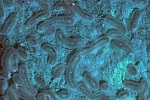
Porphyromonas or P gingivalis is a bacterium that causes gum disease. Now researchers have found this same bacterium inside the brains of Alzheimer's patients. The bacterium causes the body's immune system to react, inflaming gum tissue, and even spurring our blood vessels to produce chemicals that increase fat deposits and cause heart disease. So, inside the brain, could the bacterium be causing an inflammation of the brain?
Many studies have already pointed to a connection between gum disease and Alzheimer's. But this is the first time scientists have found inside dying brain cells the toxic protein, gingipain, that this bacterium produces.
In lab mice, gingipain led to the increase of beta amyloid protein clumping which is a characteristic that you see in Alzheimer's. Gingipain also affected another protein, tau, leading to tangles which is another feature of Alzheimer's. These mice eventually developed dementia.
To test whether gingipain is responsible, researchers used a chemical which inactivates this toxic protein and were able to reduce '-amyloid plaques in the brain and other signs of neurodysfunction. Work is already being done to further test drugs to target gingipain to treat people in the early stages of this very destructive disease.
More Information
Porphyromonas gingivalis: An Overview of Periodontopathic Pathogen below the Gum Line
Periodontal disease represents a group of oral inflammatory infections initiated by oral pathogens which exist as a complex biofilms on the tooth surface and cause destruction to tooth supporting tissues...Here, this review provides an overview of P. gingivalis and how its virulence factors contribute to the pathogenesis with other microbiome consortium in oral cavity...
Gum Disease Could Drive Alzheimer's: Study
An enzyme of the bacteria Porphyromonas gingivalis has been found in the brains of patients with the disorder, and causes neurodegeneration in mice...