Recent Episodes
Another Reason to Avoid Raw Milk
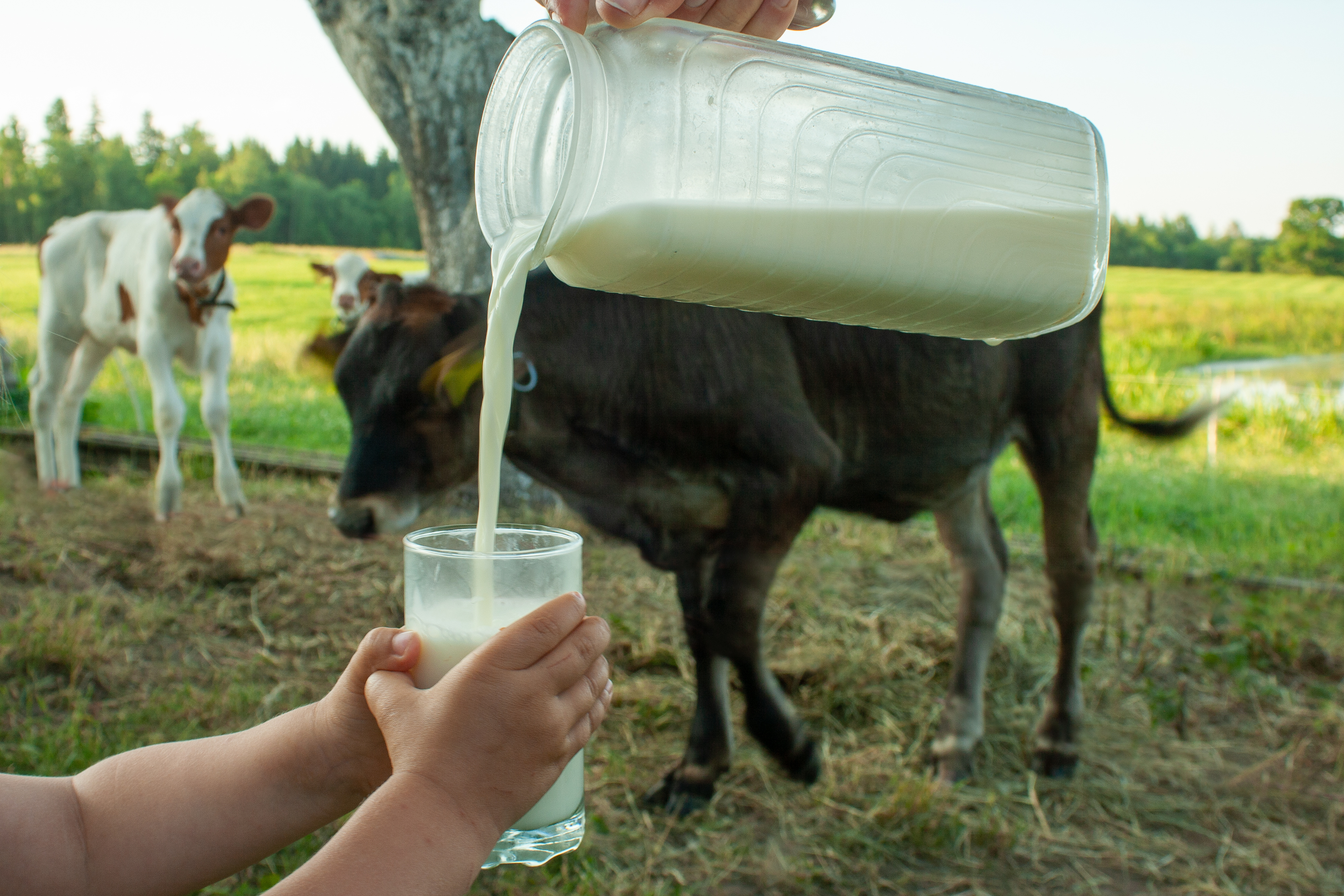
The spread of bird flu in poultry across the US has cost farmers billions of dollars. Now the virus has spread in cattle herds across multiple states which raises the risk of widespread human infection. People who continue to drink raw milk put us even more at risk since unlike nearly all commercial milk, raw milk is not pasteurized. The process heats milk to one 160 degrees Fahrenheit for 15 seconds, which has been shown to kill the H5N1 flu virus.
There are three types of influenza viruses, A, B and C. Types A and B cause the flu illness we’re familiar with and get vaccines for. C only causes mild illness. The H5 N1 is Type A. The H and N refer to the type of protein spikes on the virus surface. Birds have many combinations of H and N but only a few have caused widespread human infection.
Scientists have studied blood samples collected during the past two flu seasons and what’s alarming is they found very low to no population immunity to H5N1 despite our annual vaccines and exposure to the flu virus. This virus is different.
Federal and state health officials are working with farms to protect and monitor workers to prevent the virus from spreading. So far, a small number have tested positive. It’s essential to keep people from getting H5N1 to stop the virus from mutating and adapting to the point where it could easily infect humans. The goal is to make it hard for the virus to evolve and not allow an epidemic to start.
More Information
Investigation of Avian Influenza A (H5N1) Virus in Dairy Cattle
The U.S. Department of Agriculture (USDA), the U.S. Food and Drug Administration (FDA), and the Centers for Disease Control and Prevention (CDC), along with state partners, continue to investigate an outbreak of Avian Influenza A(H5N1) virus impacting poultry, dairy cows, and people in multiple states.
CDC A(H5N1) Bird Flu Response Update
CDC provides an update on its response activities related to the multistate outbreak of avian influenza A(H5N1) virus, or "A(H5N1) bird flu virus," in dairy cows and other animals in the United States.
Technical Report: June 2024 Highly Pathogenic Avian Influenza A(H5N1) Viruses
This report provides an update to the April 26, 2024, report to include three additional sporadic human cases (1 in Australia and 2 in the United States) and recent activity in wild birds, poultry, and other animals, including the multi-state outbreak in U.S. dairy cattle, and updated information on monitoring for human infections with highly pathogenic avian influenza A(H5N1) virus infections in the United States. CDC continues to believe that the overall risk to human health associated with the ongoing outbreaks of highly pathogenic avian influenza A(H5N1) viruses has not changed and remains low to the U.S. general public at this time.