Recent Episodes
Bacteria and Zits
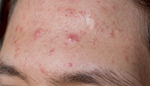
One reason I'm glad for my age is I don't have to worry about acne anymore. Ugh. Man, those years were the worst, and some adults continue to deal with pimples! People may find it surprising that we don't fully understand the causes of acne. One new study suggests a harmless bacterium may be responsible.
It's called Proprionibacterium acnes and it can get trapped deeply inside the airless, oily conditions of a hair follicle. In that airless environment, P. acnes converts an oily substance in the follicle, called sebum, into fatty acids. Sebum's job is to move dead skin cells to the surface. But once converted to fatty acids, they do something else. They block an enzyme's ability to tamp down inflammation. Without that control, a cascade of molecules is released and increases inflammation which causes acne.
So why are some people more prone to this? Maybe their follicles are more likely to get plugged or they're more sensitive to the effects of the fatty acids produced by the trapped bacteria. Another possibility is that some people carry different strains of P. acnes that produce excessive amounts of the fatty acids or a combination of these reasons.
Teenagers are more vulnerable because their hormones trigger increased production of sebum which can transform into fatty acids and inevitably, acne. IIn fact, about eighty percent of all people ages 11 to 30 will experience an acne outbreak at some time. Pregnancy, birth control pills, heredity, and even greasy makeup can cause acne.
As for chocolates and greasy food, keep enjoying them because they're faultless. That's great since plenty of people are still waiting for their best acne cure.
More Information
Propionibacterium Infections Treatment & Management
Medical treatments for P. acnes infection
Acne Bacteria May Infect the Brain and Body
The bacteria that live on the skin and contribute to acne may also cause infections after surgery, including infections in the brain, researchers say.
Acne Overview
Acne, or acne vulgaris, is a skin problem that starts when oil and dead skin cells clog up your pores.