Medical Discovery NewsBridging the World of Medical Discovery and You

Recent Episodes

Breathing From Behind

MP3 WAV

  • COVID-nineteen highlighted our dependence on ventilators to keep the very sick breathing, but there is a downside. While they save lives, they can also damage lungs because of the high pressure used to get air inside. Do we have a better option? Maybe.

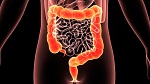
    Nature shows us alternate ways fish and arthropods get oxygen; They can actually breathe through their guts. The human colon is also a remarkable organ whose primary purpose is to remove water and salts from digested food and create "solid" waste for exiting. But scientists have been exploring whether oxygen introduced into the colon could sustain life.

    In studies with mice, those given low oxygen air survived eighteen minutes, but those getting gaseous oxygen directly to their colons lived up to fifty minutes. Next they tried using an oxygen carrying liquid called perfluorocarbon to deliver the oxygen. It's already being used in premature infants and adults to supply oxygen to the lungs and directly into blood vessels.

    Mice in a low oxygen chamber receiving perfluorocarbon through the rectum fared much better than mice receiving just saline. In pigs with respiratory failure, those given enemas with oxygenated perfluorocarbon lived for extended times. And they had no obvious side effects.

    This "breathing from behind" may be a game changer one day for many of us with lung injuries or who get critically ill avoid ventilators for something a bit gentler.

More Information

Mammals Can Use Their Intestines to Breathe
Researchers show that both mice and pigs are capable of oxygenating their blood via the colon-a capacity that, if shared by humans, could be leveraged in the clinic to minimize the need for mechanical ventilation...

Mammalian enteral ventilation ameliorates respiratory failure
Several aquatic organisms such as loaches have evolved unique intestinal breathing mechanisms to survive under extensive hypoxia. To date, it is highly controversial whether such capability can be adapted in mammalian species as another site for gas exchange. Here, we report the advent of the intestinal breathing phenomenon in mammalians by exploiting EVA (enteral ventilation via anus)...

Enteral ventilation via anus: You can hold your breath
Enteral ventilation via anus (EVA) is an enema-like procedure to deliver oxygen to the body through the distal gut. This is a provocative idea and those first encountering it will express astonishment. Yet, as the potential clinical role is considered and the data presented by Okabe et al.1 is examined, EVA emerges as a promising therapy deserving scientific and medical interest. Initial perception of EVA is likely to parallel that of fecal microbiota transplant for recurrent C. difficile infection which not long ago was deemed untenable for "practical and aesthetic reasons," but now has less stigma as data supporting effectiveness are overwhelming...


 Medicine...

Medicine is constantly advancing – that is a great thing about life in the 21st century. But it doesn’t just happen. Dedicated biomedical scientists are making discoveries that translate into those new medical advances.

Biomedical science is broad, encompassing everything from social science to microbiology, biochemistry, epidemiology, to structural biology and bioinformatics to name just a few areas. And, it can involve basic fundamental biology, the use of AI and chemistry to clinical studies that evaluate new medicines in patients.

No matter the research focus, the goal is always the same, to advance human health. It may take a few months, a few years or for fundamental science, a few decades. Few people make the connection that biomedical science is medicine and that biomedical scientists are working today on the medicine of tomorrow. Our weekly 500-word newspaper columns and 2-minute radio shows and podcasts provide insights into a broad range of biomedical science topics.

Medical Discovery News is dedicated to explaining discoveries in biomedical research and their promise for the future of medicine.

Podcasts

Alternatively, you can copy and paste the following web address (URL) into iTunes as a new subscription:
https://www.medicaldiscoverynews.com/shows/audio/mdnews.rss

You can also search and subscribe to "Medical Discovery News" in the podcast section of iTunes.

See all podcasts and radio stations

The www.medicaldiscoverynews.com web site and Medical Discovery News radio program (Program) are made possible by The University of Texas Medical Branch at Galveston (UTMB)as a community service and are intended to advance UTMB's mission of providing scholarly teaching, innovative scientific investigation, and state-of-the-art patient care in a learning environment to better the health of society and its commitment to the discovery of new innovative biomedical and health services knowledge leading to increasingly effective and accessible health care for the citizens of Texas.

All information provided on the web site and in the Program is for informational purposes only and is not intended for use as diagnosis or treatment of a health problem or as a substitute for consulting a licensed medical professional. Any information obtained by participating as a web site visitor or program listener is not intended to and should not be considered to constitute medical advice.

Thoughts and opinions expressed on the Program or on the website are those of the authors or guests and do not necessarily reflect the opinions of UTMB. The provision of links to other websites is not to be construed as written or implied sponsorship or endorsement of such websites by UTMB.

Please contact Dr. David Niesel or Dr. Norbert Herzog via email with any concerns, suggestions or comments.

All rights are reserved to information provided on the website or other information sources. No part of these programs can be reproduced stored in a retrieval system or transcribed in any form or by any means for personal or financial gained without the express written permission of Drs. Niesel and Dr. Herzog.