Recent Episodes
Buried in Pills
Growing up in a blue collar family meant we had both high respect and a healthy skepticism toward medicine. I remember one relative called doctors pill pushers for drug companies. It makes me wonder how many pills we take a year? A lifetime? Can't be a small amount judging by my own family and friends.
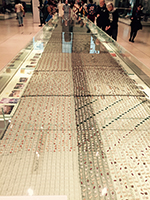
I got to see just how many, literally, when I visited the British Museum in London this summer. The first exhibit inside the main door was displayed in a glass case at least twenty yards long. It held compartments that contained pills taken by two people over their lifetimes: a 75-year-old man and an 82-year-old woman.
The man had childhood asthma but was in good health until later in life when he had high blood pressure and died from a stroke. The woman took contraceptive pills and later hormone replacement therapy. She had breast cancer, arthritis and diabetes. Together their lifetime average was over 14,000 pills each! Amazing! And half that number was taken in the last decade of their life.
Either this is how great our pharmaceuticals are or we need to examine why we need so many pills. Americans are likely in the same boat. Recent data shows more than half of us aged 55-64 used up to four prescription drugs over a thirty-day period. In the last decade use of anti-cholesterol drugs increased by 54% and antidepressants are up by 40%. These numbers don't include over the counter medications which this year will equal nearly three billion trips to the store.
It'd be interesting to see how the U.S. display of pill use would look. Would we be shocked as I was? I'll definitely be thinking about how I'd want my own to look.