Recent Episodes
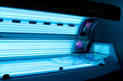
Cancer at a Discount
Would you take advantage of a sale offering you cancer at a discount?
If you're saying, "What?!", look no further than your local tanning salon.
A recent study puts tanning beds in the same category as cigarettes and asbestos for the cancer risk they pose.
Scientists who met at The International Agency for Research on Cancer recommended tanning beds be re-categorized under the highest cancer risk and labeled as being "carcinogenic to humans."
You may think this sounds like an overreaction. But the risk for developing melanoma grows by 75 percent when you start using tanning beds before the age of 30. And the fact is, indoor tanning is becoming more popular with adolescents and young adults, despite the well-publicized risks for skin cancer.
So why do people still tan when they may know the risks? A growing body of evidence shows tanning may be addictive ' especially indoor tanning.
The latest study, done at Northeastern University, surveyed hundreds of students and found that over a third who used tanning beds fit the criteria for tanning addiction. Nearly all knew the cancer risk, yet continued to tan. Eighty percent tried to stop but couldn't and felt guilty for tanning too much.
Researchers who did earlier studies believe the addiction is caused by ultraviolet rays coming from the tanning bed. They believe UV rays cause the brain to release endorphins ' a feel-good chemical.
In fact, one study found frequent tanners who took a drug blocking the endorphins experienced withdrawal symptoms like nausea.
What we know about UV rays is that, over time, they cause mutations in our DNA that can lead to skin cancer. The most deadly is melanoma, which is now the second most common type of cancer among women.
So the next time you think being tan is the look of good health... remember it's the killer look you don't want.
More Information
"An IARC Working Group has classified UV-emitting tanning devices as "carcinogenic to humans" (Group 1). The Working Group was convened by the IARC Monographs programme and the conclusions are reported in an article and press release issued by The Lancet Oncology. The report can be read here.
"Combined analysis of over 20 epidemiological studies shows that the risk of cutaneous melanoma is increased by 75% when the use of tanning devices starts before age 30. There is also sufficient evidence of an increased risk of ocular melanoma associated with the use of tanning devices. Studies in experimental animals support these conclusions and demonstrate that ultraviolet radiation (UVA, UVB, and UVC) is carcinogenic to humans."
For more information...
For an excellent report of the findings that establish a link with tanning beds and a 75% increase in the incidence of melanoma go here.
The Skin Cancer Foundation is comprised of distinguished physicians and laypeople dedicated to reducing the incidence of skin cancer. They have a website with a great deal of information about skin cancer in general and for a quick summary of skin cancer facts, including about the increased risk from tanning beds, go here.
The National Cancer Institute has extensive information available about all types of cancer, but here are just a few links about tanning beds.
link 1
link 2
link 3
Advertising strategies used by the tanning industry are likened to those used by the cigarette industry. For information about the misleading marketing strategies used by the tanning industry, please read here.