Recent Episodes
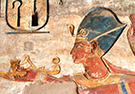
Cold Case Solved: Ramses III
If you're a loyal listener you know I've written several episodes on Egyptian pharaohs. Not another one of your Dr. Death episodes? Yep, but this time it is not about King Tut, but Ramses the third who ruled Egypt in its twentieth dynasty between 1186 and 1155 BCE.
Ramses defended Egypt from three foreign invasions and developed industry and trade with Africa's Somali coast. The middle of his reign was prosperous, but later, corruption and instability undermined his reign.
That's when his second wife, Queen Tiye, plotted to overthrow Ramses and install her son Pentawere as pharaoh. But ancient papyri document their failed coup and then trial. What they did not reveal is whether the conspirators killed Ramses before getting caught. Ancient records show Ramses died that same year, but not how he died.
Well, we no longer have to guess. Scientists recently managed to run CT scans on the pharoah and a man buried with him suspected of being Pentawere. The scan revealed Ramses throat had been slit deeply and probably killed him immediately. Inside the wound, they found a Horus eye amulet - a metaphor of royal power and protection which embalmers likely inserted to promote healing in the after world.
By contrast, the second mummy, an eighteen to twenty year old man, was embalmed improperly and covered with a ritually impure goatskin which scientists interpreted are to punish him in the afterlife. His neck also bore evidence he may have been strangled. Finally, DNA analysis of the Y chromosomes of the mummy and Ramses reveal they were likely father and son. Another of history's mysteries ' solved.