Recent Episodes
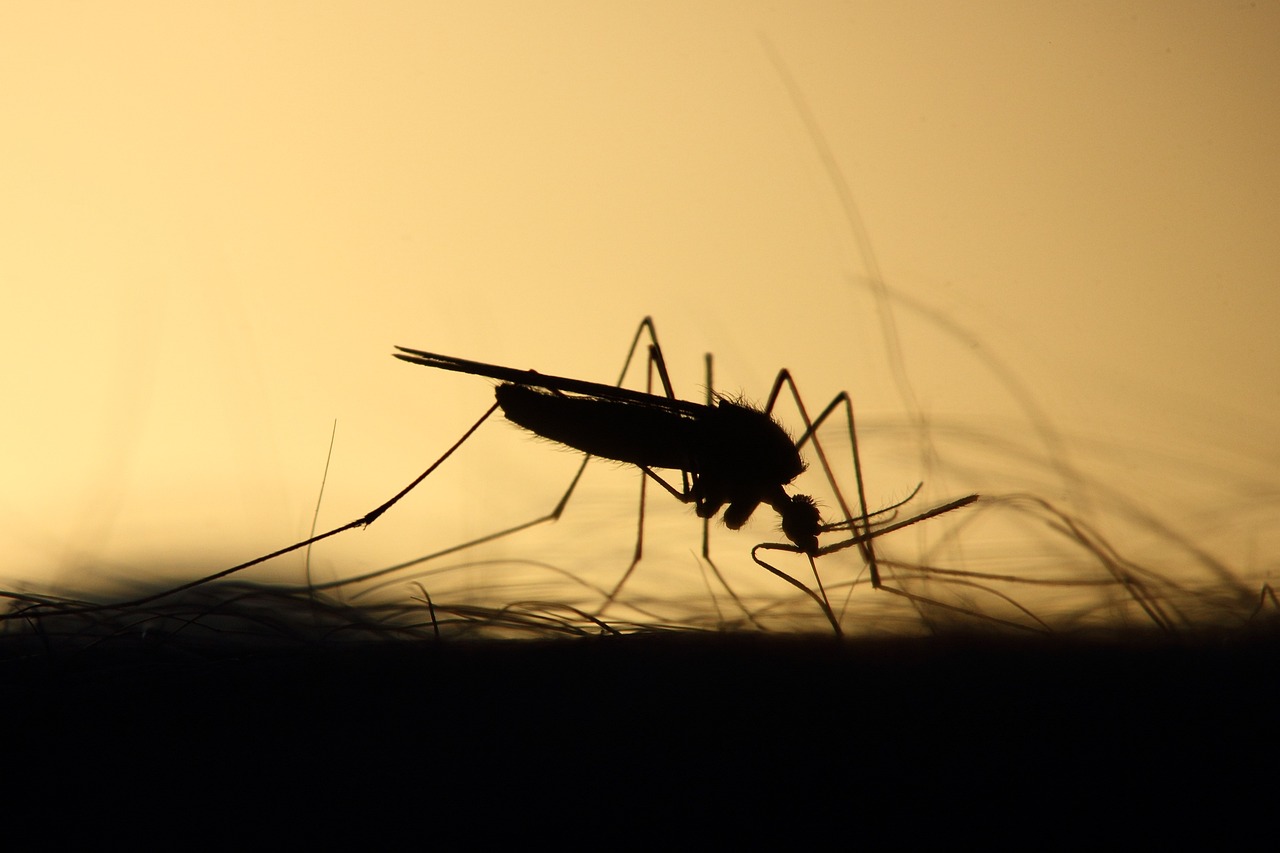
Controlling Mosquitos Thru a Toxic Relationship
Among the things that come with warmer weather is the sound of mosquito spraying trucks in your neighborhood. It’s a way for health officials to protect us from the infectious diseases mosquitos carry, such as West Nile, Dengue, and Zika.
Scientists are testing biological control approaches beyond pesticide spraying to control mosquito numbers because some insects are starting to grow resistant. An increasingly effective method is to disrupt mosquito procreation through genetics. One involves infecting Aedes aegypti mosquitos’ eggs with the bacterium, Wolbachia. These male mosquitoes are grown into the millions in the lab before they’re released into the environment. When they mate with the biting female, the bacteria-infected eggs don’t hatch, dramatically cutting their population. Quick note, only female mosquitos bite to produce their eggs.
In another approach, genetically modified males pass on genes to females during mating that prevent their offspring from maturing. In Australia, scientists have introduced genes for spider and sea anemone venom into males. When they mate with females, the genes produce venom proteins that kill the female. Talk about a toxic relationship!
Field tests show these methods are eco-friendly, safe for humans, and lower mosquito numbers. As our climate warms, they’ll pose a greater public health threat, and no doubt biological control will be increasingly important.
More Information
'Toxic' Semen Could Turn Mosquito Mating Deadly to Curb Disease Spread
Genetically engineered mosquitoes with toxic semen could be a new weapon against tropical disease, Australian scientists said after trialling the novel pest control method. The "toxic male technique" aims to breed mosquitoes that express venomous proteins in their semen, killing off females after mating.
Genetically Modified Mosquitoes
Genetically modified mosquitoes are mass-produced in a laboratory to carry two types of genes: A self-limiting gene that prevents female mosquito offspring from surviving to adulthood, and a fluorescent marker gene that glows under a special red light. This allows researchers to identify GM mosquitoes in the wild.
Mosquitoes with Wolbachia
Wolbachia is a common type of bacteria found in insects. Approximately 6 in 10 of all insects, including butterflies, bees, and beetles, around the world have Wolbachia. Wolbachia bacteria cannot make people or animals (for example, fish, birds, pets) sick.






