Medical Discovery NewsBridging the World of Medical Discovery and You

Recent Episodes

Could the Brain Come Back from Death

MP3 WAV

  • Two thousand eighteen marked the two hundredth anniversary of Mary Shelly's horror story, Frankenstein. Creating the monster from the body parts of the dead hinged on having a fresh brain. But even as Dr. Frankenstein's assistant, Igor, harvested a brain from the graveyard, we knew they couldn't really bring the dead back to life.

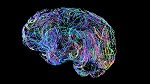
    Well new work is making us question that possibility which seems crazy but scientists have restored some cell function in the brains of dead pigs. Within four hours of death, they got thirty-two pig's heads at a slaughterhouse and flushed them with a cold solution in order to preserve the tissue. Back in the lab, they removed the brains and pumped them with nutrients, oxygen, and tissue preserving chemicals. They did this for six hours and the brains showed remarkable preservation.

    Key molecular and cellular functions were present even though electrical activity that defines a working brain wasn't. Researchers actually weren't ready for the brains to show consciousness because of an ethical boundary. That's why they had treated the brains with lamotrigine, a drug that inhibits nerve cell activity.

    However, they then took out individual cells from these brains and removed the nerve inhibiting drug. These cells were able to produce electrochemical activity. So, is it possible that consciousness could have been attained without the nerve blocking drug? If so, could it sense distress or pain? If a human brain is resuscitated, would death be redefined? How would this impact organ donation?

    Many scientific advances that bring answers also bring many questions. You can't get more dramatic than the ability to bring Frankenstein's monster back to life, for real.

More Information

Restoration of brain circulation and cellular functions hours post-mortem
The brains of humans and other mammals are highly vulnerable to interruptions in blood flow and decreases in oxygen levels. Here we describe the restoration and maintenance of microcirculation and molecular and cellular functions of the intact pig brain under ex vivo normothermic conditions up to four hours post-mortem. We have developed an extracorporeal pulsatile-perfusion system and a haemoglobin-based, acellular, non-coagulative, echogenic, and cytoprotective perfusate that promotes recovery from anoxia, reduces reperfusion injury, prevents oedema, and metabolically supports the energy requirements of the brain...

Scientists Restore Some Function In The Brains Of Dead Pigs
The brains of dead pigs have been somewhat revived by scientists hours after the animals were killed in a slaughterhouse.The Yale University research team is careful to say that none of the brains regained the kind of organized electrical activity associated with consciousness or awareness...


Two individuals wearing headphones stand in a recording booth, speaking into microphones with a music stand holding printed pages between them.

 Medicine...

Medicine is constantly advancing – that is a great thing about life in the 21st century. But it doesn’t just happen. Dedicated biomedical scientists are making discoveries that translate into those new medical advances.

Biomedical science is broad, encompassing everything from social science to microbiology, biochemistry, epidemiology, to structural biology and bioinformatics to name just a few areas. And, it can involve basic fundamental biology, the use of AI and chemistry to clinical studies that evaluate new medicines in patients.

No matter the research focus, the goal is always the same, to advance human health. It may take a few months, a few years or for fundamental science, a few decades. Few people make the connection that biomedical science is medicine and that biomedical scientists are working today on the medicine of tomorrow. Our weekly 500-word newspaper columns and 2-minute radio shows and podcasts provide insights into a broad range of biomedical science topics.

Medical Discovery News is dedicated to explaining discoveries in biomedical research and their promise for the future of medicine.

Podcasts

Alternatively, you can copy and paste the following web address (URL) into iTunes as a new subscription:
https://www.medicaldiscoverynews.com/shows/audio/mdnews.rss

You can also search and subscribe to "Medical Discovery News" in the podcast section of iTunes.

The www.medicaldiscoverynews.com web site and Medical Discovery News radio program (Program) are made possible by The University of Texas Medical Branch at Galveston (UTMB)as a community service and are intended to advance UTMB's mission of providing scholarly teaching, innovative scientific investigation, and state-of-the-art patient care in a learning environment to better the health of society and its commitment to the discovery of new innovative biomedical and health services knowledge leading to increasingly effective and accessible health care for the citizens of Texas.

All information provided on the web site and in the Program is for informational purposes only and is not intended for use as diagnosis or treatment of a health problem or as a substitute for consulting a licensed medical professional. Any information obtained by participating as a web site visitor or program listener is not intended to and should not be considered to constitute medical advice.

Thoughts and opinions expressed on the Program or on the website are those of the authors or guests and do not necessarily reflect the opinions of UTMB. The provision of links to other websites is not to be construed as written or implied sponsorship or endorsement of such websites by UTMB.

Please contact Dr. David Niesel or Dr. Norbert Herzog via email with any concerns, suggestions or comments.

All rights are reserved to information provided on the website or other information sources. No part of these programs can be reproduced stored in a retrieval system or transcribed in any form or by any means for personal or financial gained without the express written permission of Drs. Niesel and Dr. Herzog.




