Medical Discovery NewsBridging the World of Medical Discovery and You

Recent Episodes

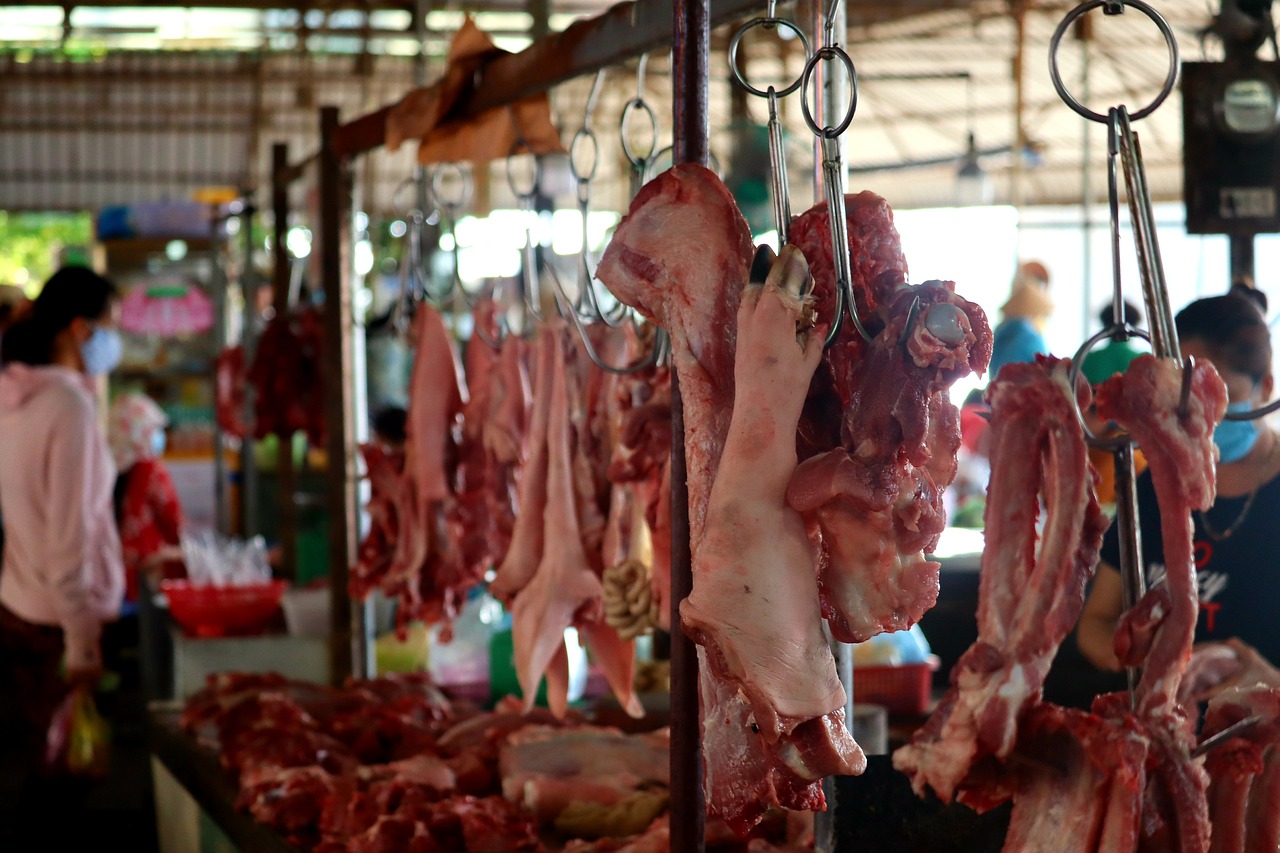
meat hanging in an open air market

COVID Origins

MP3 WAV

  • Despite the charged politics around the origins of the COVID-19 pandemic, scientists continue to search for the answer.  Two sources of the SAR-CoV-2 virus have been suspected:  the Wuhan Institute of Virology and a wet market in Wuhan where live animals were for sale. Health experts could only speculate since the Chinese government didn’t allow scientists to collect data from either location.  

    But recently a Coronavirus expert at the Wuhan lab finally presented data in Japan that suggests none of the viruses from the laboratory are the ancestor of SARS-CoV-2.  It refutes the accusation that the lab either intentionally or accidentally leaked the virus. Researchers there had been collecting coronaviruses from bats to study which presented pandemic threats. They began the work after an earlier SARS virus sickened people in early 2,000. That one had leaped from bats to civet cats to humans through a wet market.   

    The latest presentation revealed that an analysis of the genomes of more than 50 new coronaviruses collected between 2004 and 2021 showed nothing implicated the lab. And samples from the Wuhan market showed an intermingling of SARS-CoV-2, raccoon dog and human DNAs which points to an animal source for the infection. As more evidence is found, we’ll know what happened. Future pandemic prevention and responses may depend on it.     

More Information

Wuhan lab samples hold no close relatives to virus behind COVID
Shi Zhengli, the virologist at centre of COVID lab-leak theory, reveals coronavirus sequences from Wuhan institute.

COVID pandemic started in Wuhan market animals after all, suggests latest study
The finding comes from a reanalysis of genomic data.

The origins of SARS-CoV-2: A critical review
Since the first reports of a novel severe acute respiratory syndrome (SARS)-like coronavirus in December 2019 in Wuhan, China, there has been intense interest in understanding how severe acute respiratory syndrome coronavirus 2 (SARS-CoV-2) emerged in the human population. Recent debate has coalesced around two competing ideas: a “laboratory escape” scenario and zoonotic emergence. Here, we critically review the current scientific evidence that may help clarify the origin of SARS-CoV-2.

CDC Museum COVID-19 Timeline

CDC SARS Response Timeline

Two individuals wearing headphones stand in a recording booth, speaking into microphones with a music stand holding printed pages between them.

 Medicine...

Medicine is constantly advancing – that is a great thing about life in the 21st century. But it doesn’t just happen. Dedicated biomedical scientists are making discoveries that translate into those new medical advances.

Biomedical science is broad, encompassing everything from social science to microbiology, biochemistry, epidemiology, to structural biology and bioinformatics to name just a few areas. And, it can involve basic fundamental biology, the use of AI and chemistry to clinical studies that evaluate new medicines in patients.

No matter the research focus, the goal is always the same, to advance human health. It may take a few months, a few years or for fundamental science, a few decades. Few people make the connection that biomedical science is medicine and that biomedical scientists are working today on the medicine of tomorrow. Our weekly 500-word newspaper columns and 2-minute radio shows and podcasts provide insights into a broad range of biomedical science topics.

Medical Discovery News is dedicated to explaining discoveries in biomedical research and their promise for the future of medicine.

Podcasts

Alternatively, you can copy and paste the following web address (URL) into iTunes as a new subscription:
https://www.medicaldiscoverynews.com/shows/audio/mdnews.rss

You can also search and subscribe to "Medical Discovery News" in the podcast section of iTunes.

The www.medicaldiscoverynews.com web site and Medical Discovery News radio program (Program) are made possible by The University of Texas Medical Branch at Galveston (UTMB)as a community service and are intended to advance UTMB's mission of providing scholarly teaching, innovative scientific investigation, and state-of-the-art patient care in a learning environment to better the health of society and its commitment to the discovery of new innovative biomedical and health services knowledge leading to increasingly effective and accessible health care for the citizens of Texas.

All information provided on the web site and in the Program is for informational purposes only and is not intended for use as diagnosis or treatment of a health problem or as a substitute for consulting a licensed medical professional. Any information obtained by participating as a web site visitor or program listener is not intended to and should not be considered to constitute medical advice.

Thoughts and opinions expressed on the Program or on the website are those of the authors or guests and do not necessarily reflect the opinions of UTMB. The provision of links to other websites is not to be construed as written or implied sponsorship or endorsement of such websites by UTMB.

Please contact Dr. David Niesel or Dr. Norbert Herzog via email with any concerns, suggestions or comments.

All rights are reserved to information provided on the website or other information sources. No part of these programs can be reproduced stored in a retrieval system or transcribed in any form or by any means for personal or financial gained without the express written permission of Drs. Niesel and Dr. Herzog.