Medical Discovery NewsBridging the World of Medical Discovery and You

Recent Episodes

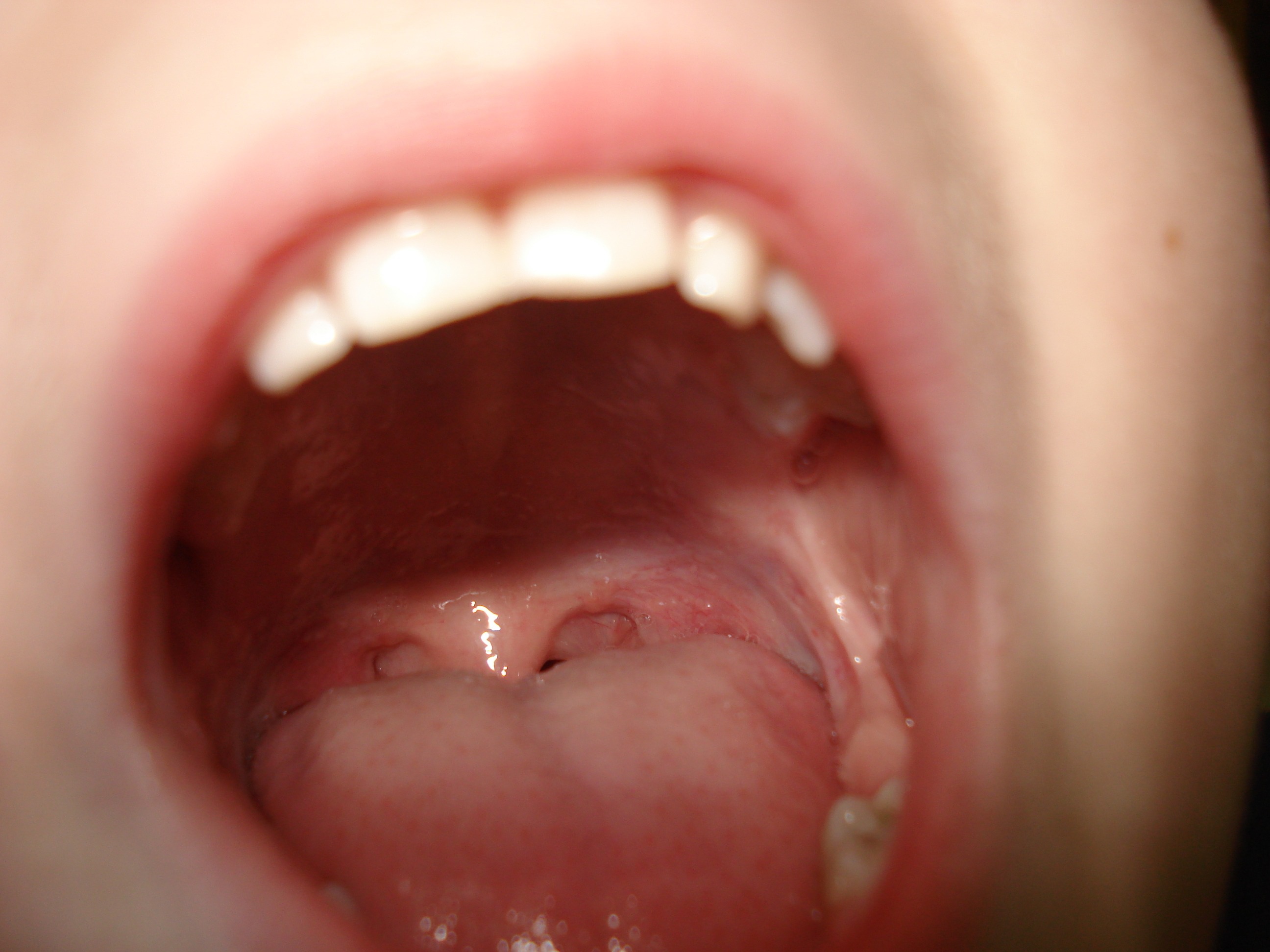
Close up on child's open mouth

CVD Disease and your Oral Flora

MP3 WAV

  • Among the collection of microbes that live with us are the ones inside our mouths.  Between 8 and 20 billion microbes representing 700 species of bacteria, fungi, viruses and archaea live there.  

    Dave, potty mouth seems appropriate about now… 

    It fits! And even more so in dysbiosis, when those microbes become unstable and increase our chances for cavities, gum disease, and halitoses.   

    Studies have shown that poor oral hygiene leads to changes in oral microbiome that directly links to cardiovascular disease.  A recent study in Denmark followed half a million children with oral hygiene issues such as cavities and followed them for 15 years.   

    At the end of it, they found boys with a “high” number of cavities, up to 16, had a 30 percent higher risk for narrow and hardening arteries compared with boys with just four cavities.   

    For girls, the “high” group had a 45 percent higher number of cardiovascular diseases. Kids who had gingivitis also faced higher numbers of vascular disease as adults.   

    Gum inflammation can create inflammation elsewhere that leads to plaque buildup in blood vessels. The researchers acknowledged the high group could also be smokers or unhealthy eaters that could contribute to these results.   

    But studies like this should inform our broad approach to dental health such as when cities plan to stop fluoridating its drinking water. Being prudent today could help us stay healthy and save on healthcare costs down the road.     

More Information

Childhood oral health is associated with the incidence of atherosclerotic cardiovascular disease in adulthood
While adult oral health has been consistently linked to cardiovascular disease, the long-term impact of childhood oral health remains underexplored. Thus, we investigated the association between dental caries and gingivitis in childhood and the incidence of atherosclerotic cardiovascular disease (ASCVD) in adulthood.

Poor Oral Health in Childhood Linked to Later Heart Attack, Stroke, or Coronary Artery Disease
Children with worse oral health were more likely to experience heart attack, stroke, or coronary artery disease as adults, according to a new study based on data from multiple national health databases in Denmark. Nikoline Nygaard, a postdoctoral fellow in health and medical sciences at the University of Copenhagen, Copenhagen, Denmark and lead author of the study said the association “reframes the way we understand oral disease, not as something that just happens in the mouth, but as something that affects the whole body as early as childhood.”

Oral health and atherosclerotic cardiovascular disease: A review
Periodontal disease (PD) is common in the US and globally. Evidence suggests that poor oral health is associated with atherosclerotic cardiovascular disease (ASCVD); however, this relationship has not been a major focus in clinical cardiology. This manuscript will review the growing evidence linking PD to ASCVD, including pathophysiologic mechanisms and coexistent risk factors. 

Two individuals wearing headphones stand in a recording booth, speaking into microphones with a music stand holding printed pages between them.

 Medicine...

Medicine is constantly advancing – that is a great thing about life in the 21st century. But it doesn’t just happen. Dedicated biomedical scientists are making discoveries that translate into those new medical advances.

Biomedical science is broad, encompassing everything from social science to microbiology, biochemistry, epidemiology, to structural biology and bioinformatics to name just a few areas. And, it can involve basic fundamental biology, the use of AI and chemistry to clinical studies that evaluate new medicines in patients.

No matter the research focus, the goal is always the same, to advance human health. It may take a few months, a few years or for fundamental science, a few decades. Few people make the connection that biomedical science is medicine and that biomedical scientists are working today on the medicine of tomorrow. Our weekly 500-word newspaper columns and 2-minute radio shows and podcasts provide insights into a broad range of biomedical science topics.

Medical Discovery News is dedicated to explaining discoveries in biomedical research and their promise for the future of medicine.

Podcasts

Alternatively, you can copy and paste the following web address (URL) into iTunes as a new subscription:
https://www.medicaldiscoverynews.com/shows/audio/mdnews.rss

You can also search and subscribe to "Medical Discovery News" in the podcast section of iTunes.

The www.medicaldiscoverynews.com web site and Medical Discovery News radio program (Program) are made possible by The University of Texas Medical Branch at Galveston (UTMB)as a community service and are intended to advance UTMB's mission of providing scholarly teaching, innovative scientific investigation, and state-of-the-art patient care in a learning environment to better the health of society and its commitment to the discovery of new innovative biomedical and health services knowledge leading to increasingly effective and accessible health care for the citizens of Texas.

All information provided on the web site and in the Program is for informational purposes only and is not intended for use as diagnosis or treatment of a health problem or as a substitute for consulting a licensed medical professional. Any information obtained by participating as a web site visitor or program listener is not intended to and should not be considered to constitute medical advice.

Thoughts and opinions expressed on the Program or on the website are those of the authors or guests and do not necessarily reflect the opinions of UTMB. The provision of links to other websites is not to be construed as written or implied sponsorship or endorsement of such websites by UTMB.

Please contact Dr. David Niesel or Dr. Norbert Herzog via email with any concerns, suggestions or comments.

All rights are reserved to information provided on the website or other information sources. No part of these programs can be reproduced stored in a retrieval system or transcribed in any form or by any means for personal or financial gained without the express written permission of Drs. Niesel and Dr. Herzog.