Recent Episodes
Development and the Risk of Pandemics
Norbert, can there be a bright spot to a pandemic? Definitely, I don't have to make up an excuse to stay home. What? You actually have a social life up there in Connecticut? I do have friends other than you, Dave. Okay ' listen, I ask because while the pandemic is revealing our problems, we can also try to fix them.
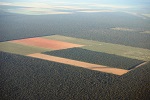
A major issue is how certain conditions make it easier for a virus to jump from animal to humans, a process called zoonosis. One way is through our expansion into natural areas. A new study suggests that even turning wild areas into farms and ranch land increases zoonosis. Land development displaces wild animals and favors animals adapted to urban life such as rats, mice and birds.
This study analyzed almost two hundred previous studies that included seven thousand animal species. They showed that these human-adapted animals carry more diseases than animals in natural or native environments. And it's these animals that are responsible for zoonosis.
Three out of every four new diseases in humans come from animals and it's how we got the plague, influenza, and coronavirus. At least one hundred thousand more viruses could make that jump. So how do we prevent this? Controlling land use would help but impractical as our populations grow. We can however come up with a more stringent surveillance program and improve our response to a pandemic.
Covid-19 may be a hard lesson but let's use it to our advantage.
More Information
Scientists have warned that transforming wild spaces in farmland and cities has created more opportunities for animal diseases to spread to humans. Our transformation of the natural landscape drives out many wild animals, but prefers species that are more likely to transmit disease, according to a study.