Medical Discovery NewsBridging the World of Medical Discovery and You

Recent Episodes

Double Dip Yuck

MP3 WAV

  • You invariably see it happen at get-togethers: double dipping. As microbiologists, we know that's risky business ' not to mention yucky business!

    Let's start with a dip vehicle, the cracker. Scientists discovered once a cracker has been bitten, it carries a thousand times more bacteria than an unbitten one. To test what happens when you dip them, they used commercial chunky hot salsa, chocolate syrup, and cheddar cheese dip produced by well-known companies.

    Before dipping, none of the dips contained detectable bacteria. After double dipping, they all had bacteria but the salsa had hundreds of times more than the other dips. And with every double dip, you're also enjoying thousands of your friend's bacteria. More bacteria gets spread into the salsa because it's less viscous, plus more of it drips back into the bowl from the half bitten cracker.

    The oral microbiome is a complex mixture of about seven hundred different types of bacteria that live with each person. Only half are even named. Oral bacteria cause dental cavities and gum disease. They also include ones that can infect the heart, brain, intestines, and liver. People also have viruses, fungi, protozoa, and archaea in their mouths. Some viruses include HIV, hepatitis, mumps, rabies, herpes, and the flu.

    Our mouths contain twenty billion bacteria and then add who knows how many of the other microbes and you have a virtual zoo that people are sharing by double dipping. Our advice is to limit your sharing at a party to nice conversation and keep your microbes to yourself.

More Information

Is Double-Dipping a Food Safety Problem or Just a Nasty Habit?
If you detect double-dippers in the midst of a festive gathering, you might want to steer clear of their favored snack...

Double-dipping Spreads Bacteria. But Does It Get People Sick?
Many people believe that dipping a chip into a shared bowl of dip, taking a bite, and dipping again is an abhorrently unsanitary practice. Others think this aversion is unscientific, and there's actually no harm in double-dipping at all...

Human Oral Microbiome Database (HOMD)
The goal of creating the Human Oral Microbiome Database (HOMD) is to provide the scientific community with comprehensive information on the approximately 700 prokaryote species that are present in the human oral cavity...
 Medicine...

Medicine is constantly advancing – that is a great thing about life in the 21st century. But it doesn’t just happen. Dedicated biomedical scientists are making discoveries that translate into those new medical advances.

Biomedical science is broad, encompassing everything from social science to microbiology, biochemistry, epidemiology, to structural biology and bioinformatics to name just a few areas. And, it can involve basic fundamental biology, the use of AI and chemistry to clinical studies that evaluate new medicines in patients.

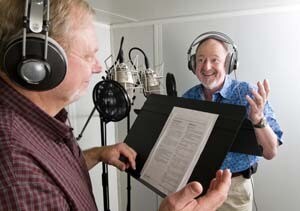
No matter the research focus, the goal is always the same, to advance human health. It may take a few months, a few years or for fundamental science, a few decades. Few people make the connection that biomedical science is medicine and that biomedical scientists are working today on the medicine of tomorrow. Our weekly 500-word newspaper columns and 2-minute radio shows and podcasts provide insights into a broad range of biomedical science topics.

Medical Discovery News is dedicated to explaining discoveries in biomedical research and their promise for the future of medicine.

Podcasts

Alternatively, you can copy and paste the following web address (URL) into iTunes as a new subscription:
https://www.medicaldiscoverynews.com/shows/audio/mdnews.rss

You can also search and subscribe to "Medical Discovery News" in the podcast section of iTunes.

See all podcasts and radio stations

The www.medicaldiscoverynews.com web site and Medical Discovery News radio program (Program) are made possible by The University of Texas Medical Branch at Galveston (UTMB)as a community service and are intended to advance UTMB's mission of providing scholarly teaching, innovative scientific investigation, and state-of-the-art patient care in a learning environment to better the health of society and its commitment to the discovery of new innovative biomedical and health services knowledge leading to increasingly effective and accessible health care for the citizens of Texas.

All information provided on the web site and in the Program is for informational purposes only and is not intended for use as diagnosis or treatment of a health problem or as a substitute for consulting a licensed medical professional. Any information obtained by participating as a web site visitor or program listener is not intended to and should not be considered to constitute medical advice.

Thoughts and opinions expressed on the Program or on the website are those of the authors or guests and do not necessarily reflect the opinions of UTMB. The provision of links to other websites is not to be construed as written or implied sponsorship or endorsement of such websites by UTMB.

Please contact Dr. David Niesel or Dr. Norbert Herzog via email with any concerns, suggestions or comments.

All rights are reserved to information provided on the website or other information sources. No part of these programs can be reproduced stored in a retrieval system or transcribed in any form or by any means for personal or financial gained without the express written permission of Drs. Niesel and Dr. Herzog.