Recent Episodes
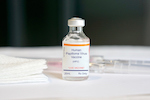
Get the HPV Vaccine and Avoid Cancer
If you had a chance to prevent your children from developing cancer in twenty or thirty years, would you? Most of you would give an emphatic, 'Yes!' and yet, fifty percent of kids are not vaccinated against the Human Papilloma virus or HPV. Why? Some parents are uncomfortable talking about a sexually transmitted virus, which the HPV is ' especially since the vaccine is most effective when given to preteens.
Also, there's an anti-vaccine movement in the US that's based on disinformation and conspiracy theories. But numbers don't lie: eighty million young people in their late teens to early twenties become infected with HPV through sexual encounters. In the mid-two thousand tens, there was an average of forty-four thousand cancers from HPV. Cervical cancers accounted for almost a quarter of cases. This is suffering that can be prevented if our kids are vaccinated.
More than ninety percent of the HPV types associated with HPV cancers are covered by the vaccine. That means vaccination is likely to prevent the vast majority of these cancers. And the HPV vaccine has been shown to be safe and effective.
HPV vaccination is recommended for those ages eleven and twelve or as young as nine. Both boys and girls should be vaccinated. How do we raise vaccination rates? Research has shown when doctors and nurses recommend the vaccine, more people opt for it. But the rest of us can show our support of vaccines by speaking up.
More Information
An Estimated 92% of Cancers Caused by HPV Could Be Prevented by Vaccine
CDC data underscore urgent need for new HHS plan to increase HPV vaccination rate to 80% nationwide...
Genital HPV Infection - CDC Fact Sheet
Human papillomavirus (HPV) is the most common sexually transmitted infection in the United States. Some health effects caused by HPV can be prevented by the HPV vaccines...