Recent Episodes
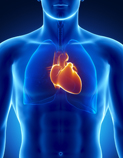
Heart Heal Thyself
The vast majority of cells in our bodies regenerate: our skin, stomach lining, red blood cells, bone cells, liver cells... the list goes on. But certain cells either do not regenerate at all, or take years to do so.
One of those cells is the heart muscle cell called cardiomyocyte. Starting at birth, they regenerate at just one percent a year and by the time we die, only half of our original heart muscle cells are replaced.
That's why damage from a heart attack is considered permanent. Within minutes, depending on where the blockage occurred, cardiomyocytes are either damaged or dead.
The heart can't produce replacement cells fast enough. Instead, scar tissue replaces muscle which compromises the heart's ability to pump blood. Scientists have been looking for a way to stop, slow or heal this damage, and they're making headway.
Researchers are focused on a small protein called Thymosin beta-4, or T-beta-4. When the heart develops inside a human embryo, T-beta-4 is expressed.
The protein encourages the growth of cardiomyocytes, and stimulates the growth of blood vessels. Could this protein be used somehow to heal a damaged heart?
Scientists have known the outer layer of the heart holds heart progenitor stem cells called epicardium-derived progenitor cells or EDPCs . They're usually dormant, but researchers found that mice given T-beta-4 seem to give the EDPCs a jump start.
The protein not only reduced the number of cardiomyocytes killed during a heart attack, but also prepared dormant progenitor cells to regenerate those that did die. The mice also show new blood vessel formation in the heart over the long term.
T-beta-4 is already in clinical trials and scientists hope within ten years, it'll be ready to help the millions of Americans who suffer heart attacks.
More Information
Thymosin Beta-4 Molecule Prompts Damaged Cells To Repair Themselves After Heart Attack
Science 2.0 has a very readable report about results from studies showing when a protein called Thymosin beta-4 is administered after a heart attack, there is new growth of heart muscle cells and increase in vascularization.
Heart Attacks and Heart Disease
WebMD has an excellent description of heart attacks and heart disease. You should be familiar with the symptoms and realize that they may be different in women.
What Happens During a Heart Attack.
An excellent description of what happens in a heart attack, including an informative video.
For a discussion and listing of symptoms before and during a heart attack in women, please read this article and, also, this page provided by WebMD.