Recent Episodes
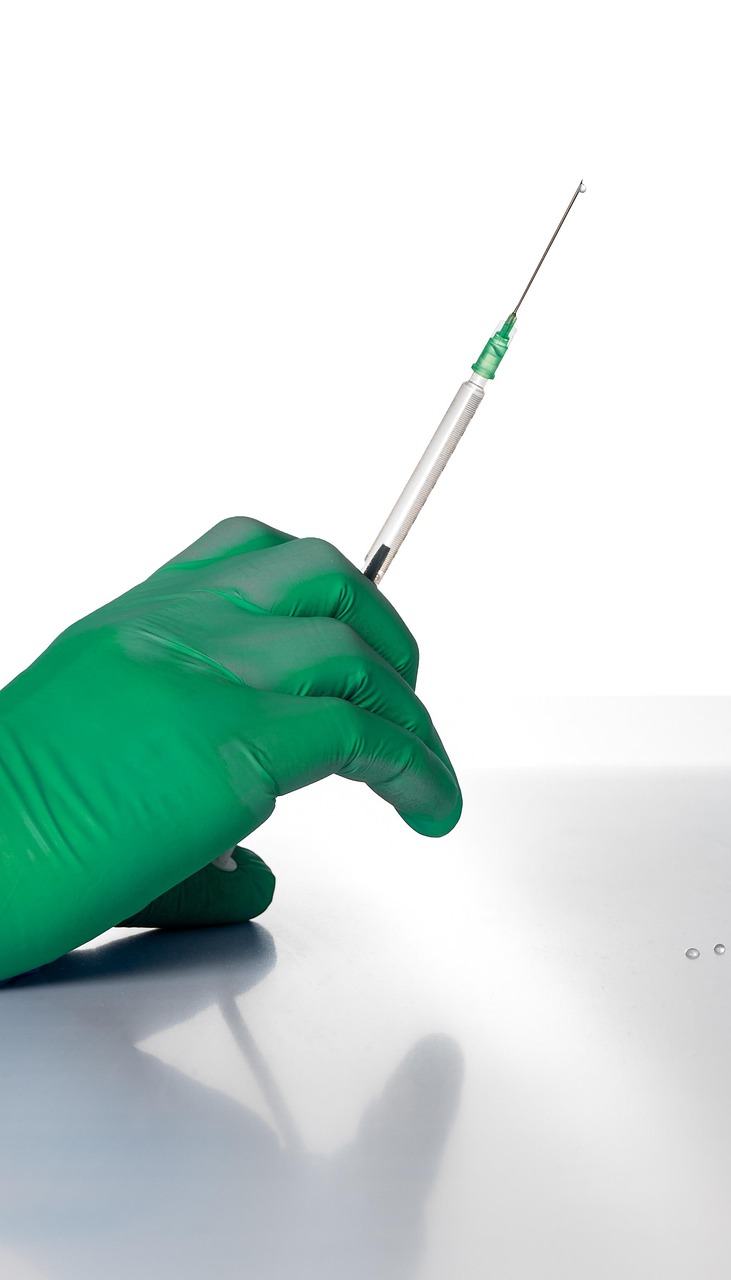
How about a Good Side Effect
A covid vaccine will alleviate your symptoms if you get the virus, but scientists found a surprising new benefit that’s life changing. In people with skin and lung cancer, the vaccine upped their survival times when paired with a cancer treatment that doesn’t work as well alone.
The cancer treatment is a class of drugs called ICI - immune checkpoint inhibitors, which block a protein on cancer cells so that immune cells can recognize them and attack. But it works in less than half of patients. To fix this, researchers began making vaccines unique to each patient by using the person’s antigens to activate the immune system, allowing ICI drugs to work better. But this is expensive.
So, scientists began to wonder if a general immune boost from mRNA vaccines was enough to power the ICI treatment. They looked at 1,000 patients with non-small cell lung cancer and metastatic melanoma all being treated with ICIs. A subset had gotten the COVID vaccine within 3 months of their treatment. The lung cancer patients in this subset saw their 3-year survival rate jump from 30 to 55 percent. Similar results were seen in the melanoma patients.
It seems that mRNA vaccines alerted the immune system to recognize and attack cancer cells. This means doctors can use a low-cost vaccine to improve cancer therapies. It’s a profound discovery and yet $500 million in mRNA vaccine research was discontinued. We hope other countries believe enough in this work to fund it.
More Information
SARS-CoV-2 mRNA vaccines sensitize tumours to immune checkpoint blockade
Immune checkpoint inhibitors (ICIs) extend survival in many patients with cancer but are ineffective in patients without pre-existing immunity. Although personalized mRNA cancer vaccines sensitize tumours to ICIs by directing immune attacks against preselected antigens, personalized vaccines are limited by complex and time-intensive manufacturing processes. Here we show that mRNA vaccines targeting SARS-CoV-2 also sensitize tumours to ICIs.
People with some cancers live longer after a COVID vaccine
mRNA vaccines seem to boost the effectiveness of an immune therapy for skin and lung cancer ― in an unexpected way.
Protecting the future of vaccine development amidst US funding withdrawal for mRNA vaccine research
On Aug 5, 2025, the US Department of Health and Human Services Secretary announced a coordinated scale-down of mRNA vaccine development programmes under the Biomedical Advanced Research and Development Authority. Now is an opportune moment for WHO, vaccine developers, global and regional funders, and public health bodies to unite in reaffirming that vaccine innovation is a critical global health priority.