Recent Episodes
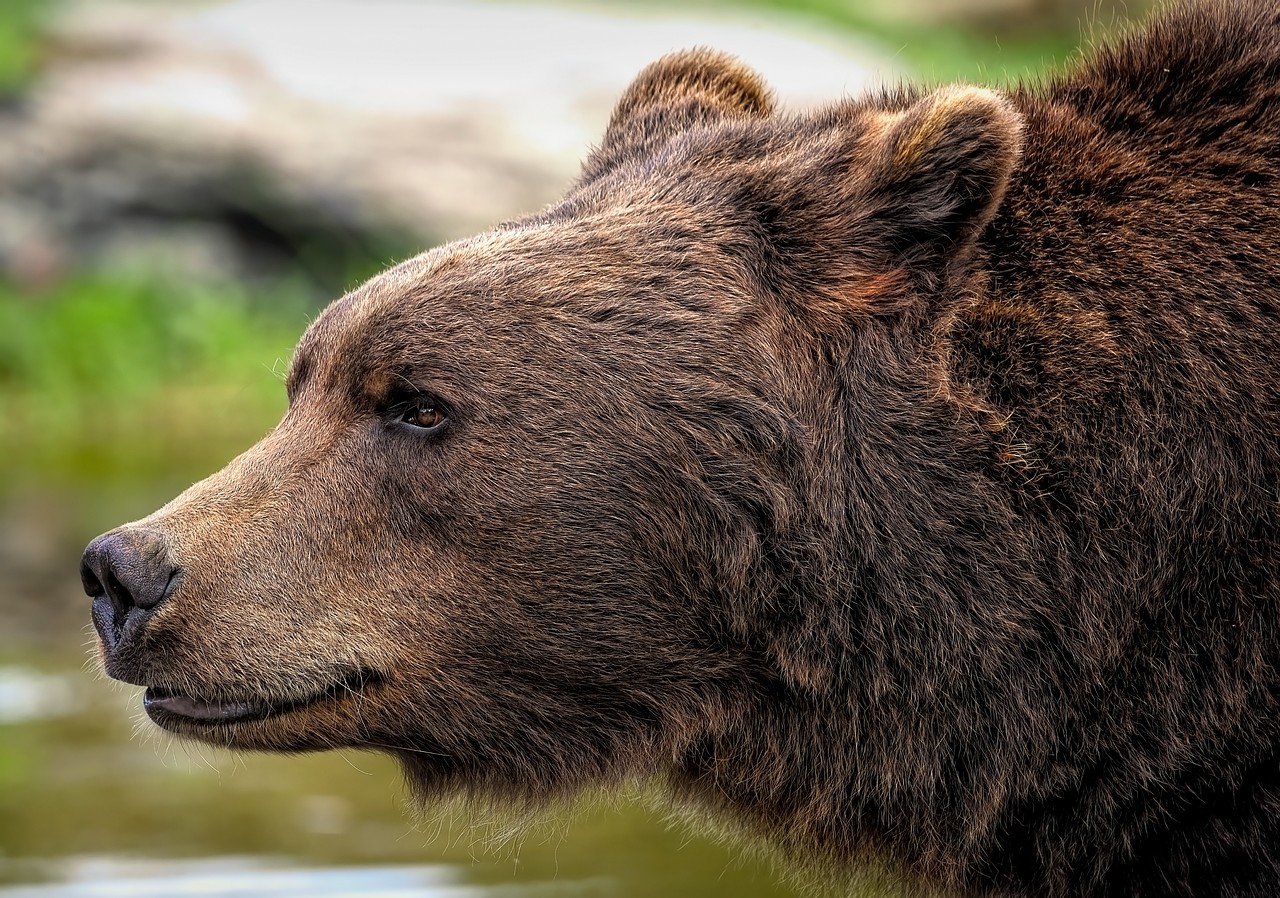
Humans have Hibernation Genes
When animals hibernate, their heart rate and metabolism slow to a crawl and they can sleep for months without food or water and wake up fresh and alert with no muscle loss or organ damage.
Extraordinary changes occur in hibernation: body temperatures drop, fat stores preserve the body, and biological aging stalls. It’s possible humans carry genes to make something like hibernation possible.
There are control switches called cis-regulatory elements—that turn existing genes on or off in response to hibernation signals. It’s possible one of those switches is a human obesity-gene cluster called FTO. In hibernating animals, FTO supports fat accumulation, metabolic suppression, and regained energy after dormancy.
So, is it possible for us to unlock these buried “hibernation genes”? If we can activate just some of these pathways, maybe we could slow metabolism in a critically ill patient to preserve organ function, protect the brain after a stroke, preserve transplanting organs, or even suspend aging for a time.
It’s a big research mountain to climb over. We lack the natural triggers — seasonal cues, fat storage adapted for months without food, the protective physiology seen in true hibernators. And genetically messing with DNA regulatory elements is risky.
For now, the vision is not that you’ll be sleeping through winter (although maybe one day for astronauts!). It’s that we might harness hibernation’s resilience. Our genes may include the toolkit; we just need to understand the control panel.
More Information
Human Hibernation Doesn’t Exist — Yet
Humans did not evolve to hibernate for many reasons. But genes from our ancient ancestors may mean that the possibility is within us. In fact, human hibernation could help advance medical and astronautical science.
ScienceAdviser: Humans have hibernation genes, but can we unlock them?
Today in Science and science: Deserts build frozen clouds, a sweet solution to potential pandemics, and more
Could humans hibernate?
On cold, dark days it is tempting to imagine shutting yourself away until the warmer weather returns. Many animals do just that by entering a state known as torpor, which reduces their bodily functions to a minimum and uses fat stores in their body for energy. Could humans ever hibernate in the same way?