Recent Episodes
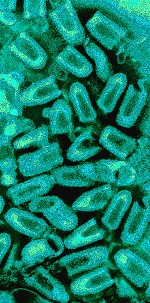
Improving the Rabies Test
If you're bit by a strange dog or mammal, you have to get a series of rabies shots because the risk of not doing so can be fatal if the animal tests positive for the virus. The problem is the treatment involves five shots and aren't usually available in resource poor countries. So, it's important to be able to test the animal for rabies to see if the victim really needs the vaccine.
But testing the animal is another hurdle because the microscope needed to examine the animal's brain tissue for the rabies' viral protein is not available everywhere. Plus, the test produces too many false positives or negatives and requires fresh brain tissue which isn't easy to maintain. That's why a new diagnostic test is necessary.
Well, scientists at the CDC have just developed a new test called LN-thirty-four. It's simple and the technology to do it is already present in many labs. A study with the new test using three thousand brain samples from sixty different mammals showed no false negatives and few false positives. No false negatives mean that if the virus is present, it will not be missed. This is important in making sure everyone infected is treated. There were few inconclusive results compared to the current test and it even works on decomposing tissue. This is a life saver.
World-wide sixty thousand people die from rabies annually. It can take anywhere from three to twelve weeks for the virus to travel from the bite site to the brain. Once symptoms appear, it's usually too late to start treatment and the person will likely die. But having a cheaper, simpler test to diagnose the animal for rabies can help people make informed decisions quickly about whether they need the vaccine.
More Information
Rabies is a preventable viral disease of mammals most often transmitted through the bite of a rabid animal. The vast majority of rabies cases reported to the Centers for Disease Control and Prevention (CDC) each year occur in wild animals like raccoons, skunks, bats, and foxes...