Recent Episodes
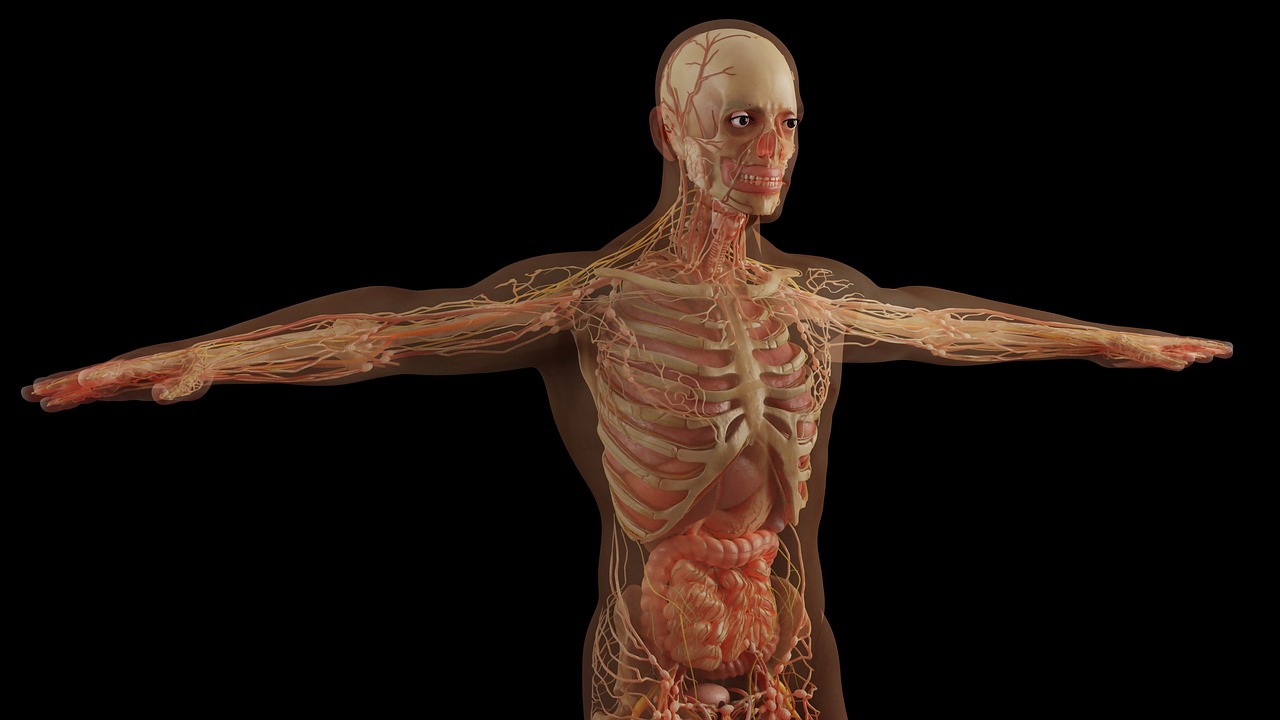
Interorgan Communication Keeps Us Young
We give our brains much of the credit for controlling the organs in our body and rightfully so. But new studies reveal the communication is far from one-way. Nerve networks or molecules in our organs are constantly sending back signals to “alert” the brain of what’s happening which optimizes their performance. The brain rules but other organs talk back.
Organs also communicate with one another so that there’s total body communication happening. Some organs are chattier than others like the liver and the brain. Our bones and skeletal muscle are less talky but still communicate. For years, we’ve known the pancreas, liver, thyroid and gonads send messages via hormones from distant sites in the body. This communication is key to how healthy we stay. An example are recent studies on the brain’s hypothalamus where neurons send signals to coordinate a variety of body functions.
As we age, communication from the hypothalamus falls. The problem is less of a chemical called NAMPT gets made. Researchers working with older mice restored these signals from the hypothalamus. The mice began burning fat more efficiently and were better at reducing damage to cells from aging. Overall, the mice lived 7% longer.
The control mice did not do as well which shows that understanding this communication mechanism could tell us more about aging and maybe how to slow it. Who knew good communication between organs could be a key to longevity?
More Information
Communication breakdown
Faulty messaging between organs could make us old
Physiological and pathophysiological roles of NAMPT and NAD metabolism
Nicotinamide phosphoribosyltransferase (NAMPT) is a regulator of the intracellular nicotinamide adenine dinucleotide (NAD) pool and, thus, regulates the activity of NAD-dependent enzymes. NAMPT is able to modulate processes involved in the pathogenesis of obesity and related disorders by influencing the oxidative stress response, apoptosis, lipid and glucose metabolism, inflammation and insulin resistance. Levels of extracellular NAMPT are associated with various metabolic disorders. NAMPT, which has a crucial role in cancer cell metabolism, is often overexpr.






