Recent Episodes
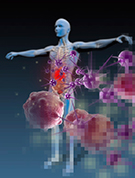
Invasion of the Body Snatchers
In an old movie, Invasion of the Body Snatchers, an alien species infects human bodies and then controls their minds. Unbelievable, right? Well, not quite. A recent study shows we've been hosts to viral invaders for millions of years'and it's to our benefit!
Specifically the study looked at a retrovirus called HERV-K. Retroviruses are small viruses whose genome are RNA. HIV is a retrovirus. These viruses insert a copy of their genome into ours so that after millions of years, up to ten percent of our DNA is from these symbiotic viruses. Most of them have no active role in our cells, but surprisingly the study identified some that may be essential to our defenses, especially early on when we are mere embryos.
Human development starts from a single cell ' the fertilized egg. This single cell gives rise to all the specialized cells in our bodies, a process partly made possible by proteins called transcription factors that turn genes on or off when they're needed during development.
The study showed that a transcription factor in the fertilized egg interacts with the symbiotic retrovirus, HERV-K, in the first few days the embryo is formed. Proteins in the HERV-K are made, creating viral particles inside the cell. This causes the cell to turn on immune defenses that greatly reduce the chance that other viruses can infect it. Not bad for a virus hitching a ride in the human genome.
The virus proteins also influence the production of embryo proteins needed for continuing development. This helps a new embryo follow the genetic blueprint to develop into a healthy fetus. You could say the HERV-K is the ultimate parasite, one that assists the host to its own benefit.