Recent Episodes
Knocking Out ALL
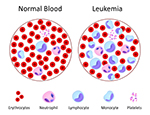
Every now and then things go right - incredibly right! In an experimental treatment of leukemia patients with just a few months to live, nearly all went into remission. That's 27 out of 29 patients, which means the success rate is a whopping 93%, which is unheard of in cancer treatment. These patients had ALL or acute lymphoblastic leukemia, also known as acute lymphocytic leukemia or acute lymphoid leukemia.
In these cancers the immune cells produced in the bone marrow mutate and take over, spreading into lymph nodes and the spleen. Both progress quickly, becoming fatal within a few months, and are usually treated with chemotherapy and stem cell transplants. But the new treatment in the study used a different approach.
Researchers targeted killer T cells, isolating these immune cells from the patients' blood. In the lab, scientists genetically engineered these T cells with synthetic molecules called chimeric antigen receptors, or CARs. CARs can identify specific molecules on the surface of tumor cells and allow the T cells to destroy them.
Soon after these engineered cells were infused into the patients, over ninety percent of the people went into remission. Even more incredible is that, unlike with chemotherapy, these T cells will continue to grow and provide ongoing protection.
Another group of collaborators are now getting similar results in treating children. This approach, called immunotherapy, programs our own body's immune system to attack cancer.
The advantages are fewer side effects and long lasting protection. We still don't know if immunotherapy is effective against solid tumor cancers like those of the lung and breast. Stay tuned since we'll undoubtedly be hearing much more in the coming years.