Recent Episodes
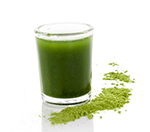
Kratom: Treating Addiction With Addiction
More young Americans are using a drug called kratom to treat pain and depression as well as ease withdrawal symptoms from heroin addiction. But some addicts are finding kratom itself to be addictive.
We don't yet understand its potential dangers, yet it's legal in most states, sold in a powdered form at head shops and convenience stores. Some bars sell drinks made with kratom even while the US Army bans its use by soldiers; the Food and Drug Administration banned its importation in 2014; and the Drug Enforcement Agency has it listed as a 'drug of concern.'
Kratom comes from a tropical tree, Mitragyna speciosa Korth indigenous to South East Asia, the Philippines and New Guinea. Though it's illegal in Thailand there's a movement to legalize it.
Traditionally kratom leaves are chewed or used to brew tea. Low doses of it have cocaine-like stimulatory effects and are used to overcome fatigue. Higher doses have sedative effects used in traditional medicines and as a substitute for opium.
The active ingredients in kratom bind to the same cellular receptors as heroin or opium. The fact is kratom creates dependence and withdrawal symptoms. They include craving, weakness, anxiety, runny nose, muscle pain, and hallucinations can occur but generally resolve in a week.
More research is needed to understand the physiologic effects of kratom. It's another in a long line of drugs that sits in a murky legal environment challenging law enforcement's ability to keep people safe as they look for a cheap high.






