Medical Discovery NewsBridging the World of Medical Discovery and You

Recent Episodes

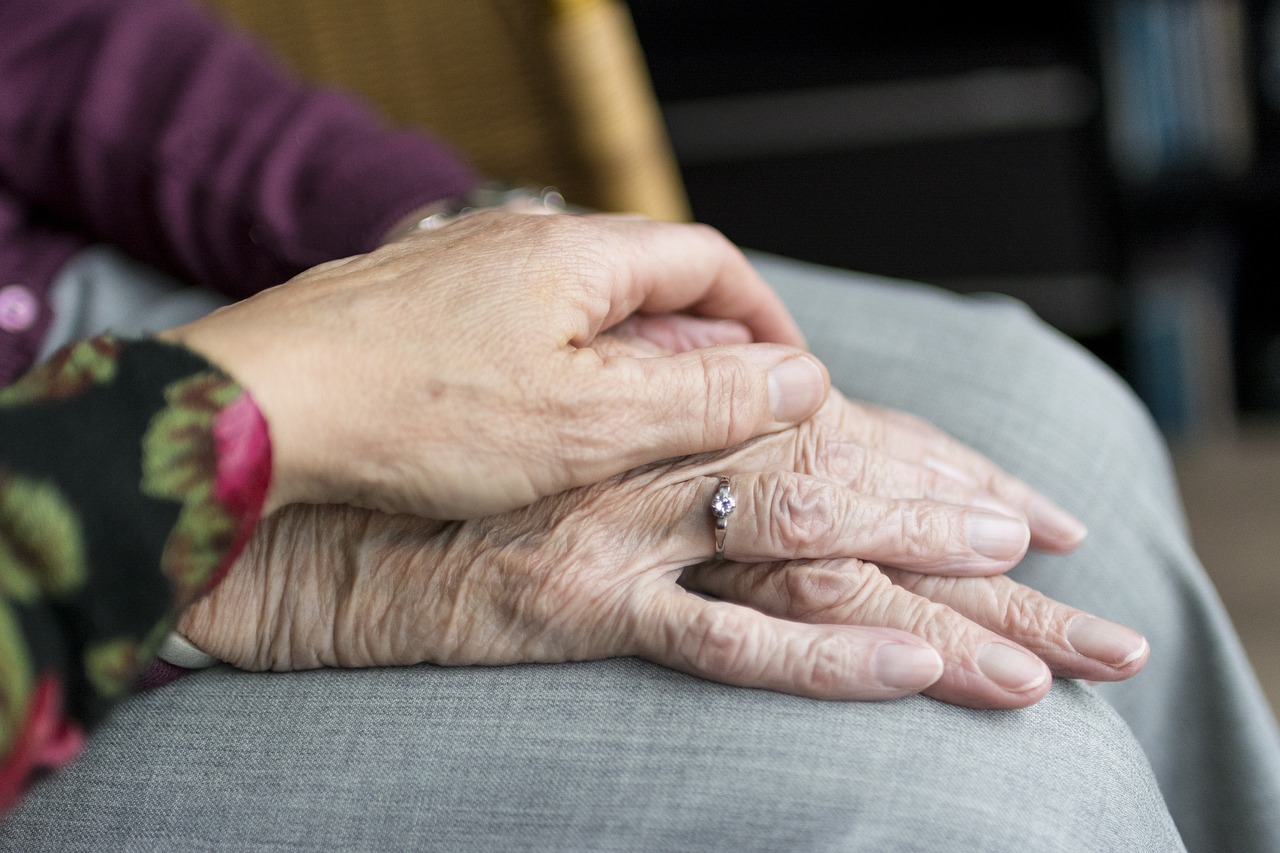
generational hands

Life Expectancy – We Have Come a Long Way

MP3 WAV

  • As science has advanced, so has life expectancy, but in parts of the world including the US, that number fell during the pandemic. So, has our lifespan rebounded since then?  It has.  But first consider that a child born in 1900 could only expect to live32 years. In just over a century, the average had more than doubled to 71 years in 2021.

    But when you zoom in, there are major regional differences. Newborns in Africa live to just 62 years on average while in the Americas, it’s about 75 years and in Europe, nearly 78 years.    

    Now back to the pandemic. In twenty-nineteen, just before the pandemic, life expectancy in the Americas peaked at about 77, then tumbled two years during the pandemic, and quickly recovered by a year shortly after.  The biggest driver in longevity has been improvements in health. Over the past century, vaccines drove down childhood death rates, new drugs extended the lives of people with chronic diseases such as heart disease, life-saving antibiotics and antivirals protected against infections.    

    We also overlook improvements in our public health systems that provide us with clean water, better air quality, and generally better sanitation.  Improvements in our standard of living, the reduction in the poverty rate and vibrant economy also play a positive role. Although we still have a way to reach equity, it’s an achievement to reflect on.    

    We are Drs. David Niesel and Norbert Herzog, at UTMB and Quinnipiac University, where biomedical discoveries shape the future of medicine.   For much more and our disclaimer go to medicaldiscoverynews.com or subscribe to our podcast. Sign up for expanded print episodes at www.illuminascicom.com or our podcasts at:  Medical Discovery News (buzzsprout.com) 

More Information

Life Expectancy
Across the world, people are living longer.In 1900, the average life expectancy of a newborn was 32 years. By 2021 this had more than doubled to 71 years. But where, when, how, and why has this dramatic change occurred? To understand it, we can look at data on life expectancy worldwide.

U.S. Life Expectancy Rebounds, Still Shy of Pre-Pandemic Levels
Early data points to an uptick of over a year in life expectancy after a precipitous pandemic-driven decline.


Two individuals wearing headphones stand in a recording booth, speaking into microphones with a music stand holding printed pages between them.

 Medicine...

Medicine is constantly advancing – that is a great thing about life in the 21st century. But it doesn’t just happen. Dedicated biomedical scientists are making discoveries that translate into those new medical advances.

Biomedical science is broad, encompassing everything from social science to microbiology, biochemistry, epidemiology, to structural biology and bioinformatics to name just a few areas. And, it can involve basic fundamental biology, the use of AI and chemistry to clinical studies that evaluate new medicines in patients.

No matter the research focus, the goal is always the same, to advance human health. It may take a few months, a few years or for fundamental science, a few decades. Few people make the connection that biomedical science is medicine and that biomedical scientists are working today on the medicine of tomorrow. Our weekly 500-word newspaper columns and 2-minute radio shows and podcasts provide insights into a broad range of biomedical science topics.

Medical Discovery News is dedicated to explaining discoveries in biomedical research and their promise for the future of medicine.

Podcasts

Alternatively, you can copy and paste the following web address (URL) into iTunes as a new subscription:
https://www.medicaldiscoverynews.com/shows/audio/mdnews.rss

You can also search and subscribe to "Medical Discovery News" in the podcast section of iTunes.

The www.medicaldiscoverynews.com web site and Medical Discovery News radio program (Program) are made possible by The University of Texas Medical Branch at Galveston (UTMB)as a community service and are intended to advance UTMB's mission of providing scholarly teaching, innovative scientific investigation, and state-of-the-art patient care in a learning environment to better the health of society and its commitment to the discovery of new innovative biomedical and health services knowledge leading to increasingly effective and accessible health care for the citizens of Texas.

All information provided on the web site and in the Program is for informational purposes only and is not intended for use as diagnosis or treatment of a health problem or as a substitute for consulting a licensed medical professional. Any information obtained by participating as a web site visitor or program listener is not intended to and should not be considered to constitute medical advice.

Thoughts and opinions expressed on the Program or on the website are those of the authors or guests and do not necessarily reflect the opinions of UTMB. The provision of links to other websites is not to be construed as written or implied sponsorship or endorsement of such websites by UTMB.

Please contact Dr. David Niesel or Dr. Norbert Herzog via email with any concerns, suggestions or comments.

All rights are reserved to information provided on the website or other information sources. No part of these programs can be reproduced stored in a retrieval system or transcribed in any form or by any means for personal or financial gained without the express written permission of Drs. Niesel and Dr. Herzog.