Recent Episodes
Making Animal Skin Transparent
We have several ways to look inside the human body. The CT scan is computerized tomography which uses X-rays and computers to create highly detailed images of our bones and tissues. MRI or magnetic resonance imaging uses magnetic fields and radio waves to create high-def images of tissues and organs. Both are non-invasive and help doctors diagnose.
But there may be a new way to look inside the body. Rubbing FDA-approved food dyes on the skin of a living animal can render it almost transparent! The idea isn’t new. Scientists have been doing this for years using harsh chemicals which are fine with dead animals but toxic to live ones.
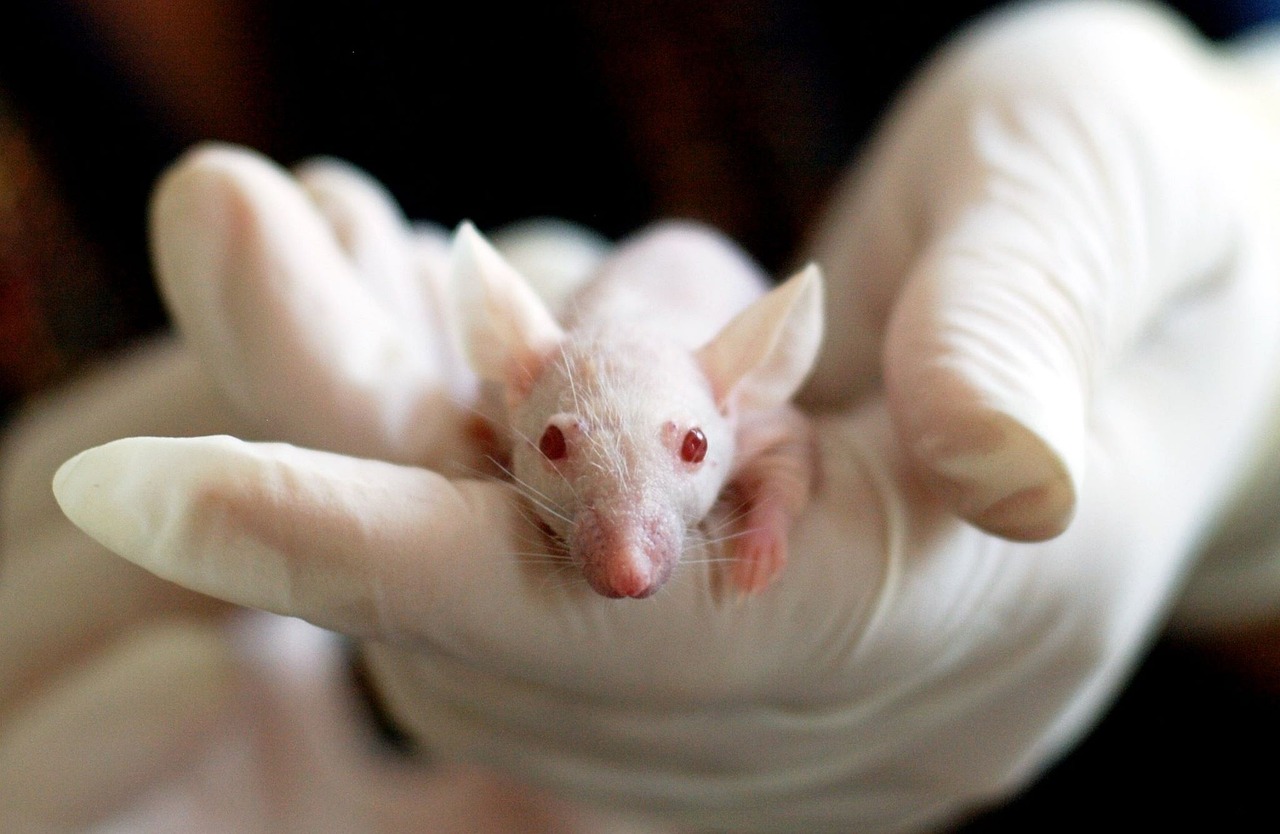
This new study found that rubbing a common food dye – tartrazine – on the shaved skin of a mouse made its skin transparent and gave it an orange hue. The more dye they applied; the more transparent the mouse’s skin became. The researchers could see with the naked eye, the animal’s heart beating, food passing through its intestine, and detailed muscle action.
A red dye allowed them to see through the animal’s skull into the brain to observe neuronal brain activity. When they injected dye under the skin, they saw deeper into the tissues. This means scientists may get to study animals without sedating or dissecting them.
However not all tissues can be made transparent, and the effect is temporary. Maybe this is a step closer to “Star Trek” medicine where a future “Bones” can diagnose patients with a wave of his tricorder!
More Information
Achieving optical transparency in live animals with absorbing molecules
Optical imaging plays a central role in biology and medicine but is hindered by light scattering in live tissue. We report the counterintuitive observation that strongly absorbing molecules can achieve optical transparency in live animals.
Incredible Experiment Reveals a Way to Make Skin Transparent
In a wild feat of biological manipulation that seems straight out of science fiction, researchers have turned parts of living mice see-through. Stanford University materials scientist Zihao Ou and colleagues developed a biologically-safe dye that makes tissues transparent by tinkering with the light scattering abilities of the cells' surrounding fluids.






