Recent Episodes
Molecular Surgery
Is the patient prepared?
Do we have the right genetic sequence?
Hand me the test tube with the RNA and Cas9.
That sounds surreal, but it could become reality if molecular surgery fulfills its potential. We're talking about genome editing, which is already being done in labs around the world. That's where you correct genetic defects and thus cure the illness it causes.
Genetic diseases can be inherited and a single mutation can be devastating, such as sickle cell anemia and cystic fibrosis. Using molecular surgery, doctors could theoretically 'fix' the mutation.
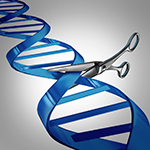
A key technology allowing scientists to edit genes is something called CRISPR-Cas. CRISPR stands for clustered regularly interspaced short palindromic repeats. These are short repetitive sequences in our DNA that are spread throughout the genome. And Cas is a protein that acts as molecular scissors.
How this works is a short piece of RNA is made in the lab that targets a specific gene. This, along with the Cas protein, are introduced into cells and the RNA acts as a guide to the gene to be modified.
So far, experiments in the lab show CRISPR was able to repair the gene in sickle cell anemia, cystic fibrosis, and even slow down HIV. It could also correct multiple mutations simultaneously which is necessary if someone's genetic disease is the result of several mutations.
The next step will be clinical trials to evaluate this technology's potential to treat human disease. Fixing the genes in even fifty percent of the relevant cells could provide a cure. CRISPR's potential is profound and could alter our future health in ways we can only imagine.