Recent Episodes
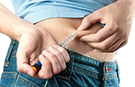
Nanoparticles to Manage Diabetes
Nanoparticles are one of the hottest areas of science.
They are used in delivering cancer-killing drugs, genetic and tissue engineering, detection of biological diseases, and now perhaps in delivering insulin.
These nanoparticles would theoretically make a diabetic's life immensely easier by managing the disease for them.
In studies with mice, just one injection of the nanoparticles lasted a week compared with multiple injections a day.
To stay healthy, diabetics have to first estimate the amount of carbohydrates they intend to eat and calculate how much insulin they'll need to maintain proper blood sugar levels which all cells use for energy.
They poke themselves several times a day to check blood glucose or sugar levels. Past a certain level, they self-inject insulin which helps transport glucose into cells for later use.
If glucose is left to build up in the blood, it can damage organs and even cause death. Now imagine these nanoparticles which are made with insulin at its core along with an enzyme and something called modified dextran.
When glucose levels rise, the enzymes on the nanoparticles turn on to convert glucose into gluconic acid. The acid dissolves the modified dextran which then releases insulin from the nanoparticle's core. The more sugar, the more insulin the nanoparticle releases, mimicking the job of the pancreas in a non-diabetic.
With diabetes already at nearly ten percent of the US population and rising, we need treatments that make managing the disease easier and more cost-effective.
More Information
"Smart" Nanoparticles Can Now Control Blood Sugar in Diabetics for "Days at a Time"
"What if diabetics only had to inject themselves with a special insulin cocktail once a week?"
What are Nanoparticles?
"A nanoparticle is a small object that behaves as a whole unit in terms of its transport and
properties."
Insulin Basics
"Insulin cannot be taken as a pill because it would be broken down during
digestion just like the protein in food. It must be injected into the fat under your skin for it to get into your blood."