Medical Discovery NewsBridging the World of Medical Discovery and You

Recent Episodes

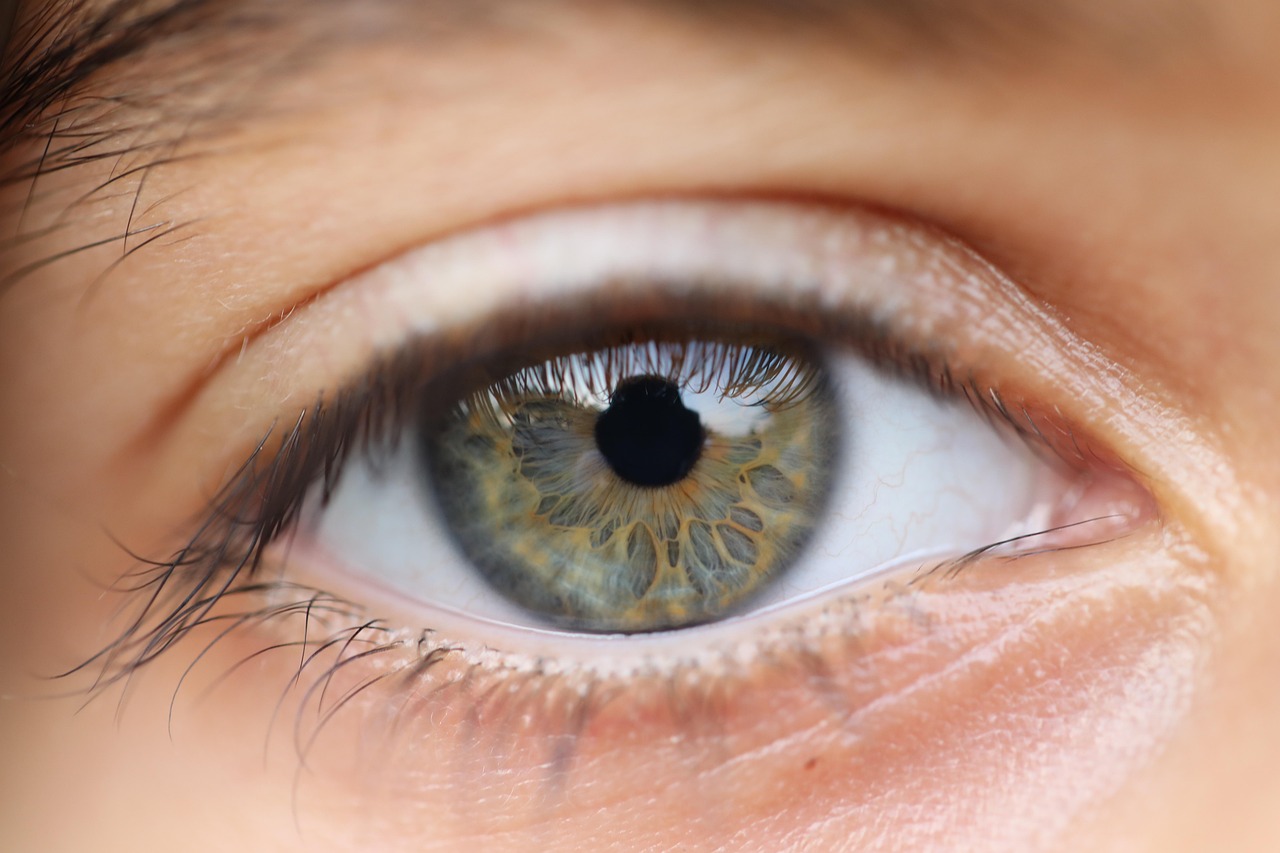
close up of a hazel human eye

New Hope for those with Macular Degeneration

MP3 WAV

  • I played pin the tail on the donkey as a kid and even though it was a game, I did not like trying to do something blindfolded. So, I can’t imagine not seeing except now that I’m getting older, a risk I face is macular degeneration.  

    No kidding, Norbert…we both do. But there’s a new prosthetic being tested that restored sight to people with AMD, age-related macular degeneration. AMD affects people over age 50 and is a leading cause of vision loss in older adults.  

    The macula is a part of the retina at the back of the eye responsible for sharp, central vision needed for activities like reading, driving, and recognizing faces. There is dry AMD and wet AMD. Dry being the most common, when the light sensitive receptors in the macula are destroyed causing gradual vision loss.  

    The less common wet AMD is more severe. Fluid or blood leaks beneath the retina leading to vision loss. There is no cure except now biomedical research has produced a tiny wireless microchip implanted in the retina.  

    Of the study’s 32 patients with advanced AMD, 27 could read again within a year. The chip stands in for damaged retinal photoreceptors and works with the camera on a pair of special eyeglasses. Infrared light going into the camera is wirelessly projected on the chip which then sends electric signals that the brain interprets. For now, the images are black and white with low resolution, but as the tech improves, it will change people’s lives.     

More Information

Eye prosthesis is the first to restore sight lost to macular degeneration
In a Stanford Medicine-led clinical trial of a wireless retinal prosthesis, people with advanced macular degeneration regained enough vision to read books and subway signs.

Subretinal Photovoltaic Implant to Restore Vision in Geographic Atrophy Due to AMD
Geographic atrophy due to age-related macular degeneration (AMD) is the leading cause of irreversible blindness and affects more than 5 million persons worldwide. No therapies to restore vision in such persons currently exist. The photovoltaic retina implant microarray (PRIMA) system combines a subretinal photovoltaic implant and glasses that project near-infrared light to the implant in order to restore sight to areas of central retinal atrophy.

Two individuals wearing headphones stand in a recording booth, speaking into microphones with a music stand holding printed pages between them.

 Medicine...

Medicine is constantly advancing – that is a great thing about life in the 21st century. But it doesn’t just happen. Dedicated biomedical scientists are making discoveries that translate into those new medical advances.

Biomedical science is broad, encompassing everything from social science to microbiology, biochemistry, epidemiology, to structural biology and bioinformatics to name just a few areas. And, it can involve basic fundamental biology, the use of AI and chemistry to clinical studies that evaluate new medicines in patients.

No matter the research focus, the goal is always the same, to advance human health. It may take a few months, a few years or for fundamental science, a few decades. Few people make the connection that biomedical science is medicine and that biomedical scientists are working today on the medicine of tomorrow. Our weekly 500-word newspaper columns and 2-minute radio shows and podcasts provide insights into a broad range of biomedical science topics.

Medical Discovery News is dedicated to explaining discoveries in biomedical research and their promise for the future of medicine.

Podcasts

Alternatively, you can copy and paste the following web address (URL) into iTunes as a new subscription:
https://www.medicaldiscoverynews.com/shows/audio/mdnews.rss

You can also search and subscribe to "Medical Discovery News" in the podcast section of iTunes.

The www.medicaldiscoverynews.com web site and Medical Discovery News radio program (Program) are made possible by The University of Texas Medical Branch at Galveston (UTMB)as a community service and are intended to advance UTMB's mission of providing scholarly teaching, innovative scientific investigation, and state-of-the-art patient care in a learning environment to better the health of society and its commitment to the discovery of new innovative biomedical and health services knowledge leading to increasingly effective and accessible health care for the citizens of Texas.

All information provided on the web site and in the Program is for informational purposes only and is not intended for use as diagnosis or treatment of a health problem or as a substitute for consulting a licensed medical professional. Any information obtained by participating as a web site visitor or program listener is not intended to and should not be considered to constitute medical advice.

Thoughts and opinions expressed on the Program or on the website are those of the authors or guests and do not necessarily reflect the opinions of UTMB. The provision of links to other websites is not to be construed as written or implied sponsorship or endorsement of such websites by UTMB.

Please contact Dr. David Niesel or Dr. Norbert Herzog via email with any concerns, suggestions or comments.

All rights are reserved to information provided on the website or other information sources. No part of these programs can be reproduced stored in a retrieval system or transcribed in any form or by any means for personal or financial gained without the express written permission of Drs. Niesel and Dr. Herzog.