Recent Episodes
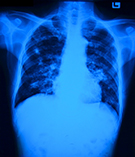
New Weapons Against Tuberculosis
Tuberculosis, or TB, used to be a death sentence. In the 20th century, TB was called consumption and killed over one-hundred million people. When effective antibiotics came on scene, the death rate plummeted and people thought TB could be eliminated. Then the bacterium, Mycobacterium tuberculosis, made a comeback.
In the 1980s, effective antibiotics against TB stopped working, until scientists discovered they could combine them. But that also didn't last. In recent years TB again evolved, with some strains resistant even against the antibiotic cocktails.
TB's reemergence this time is largely due to the global HIV epidemic and that virus' suppression of the immune system. Fourteen million people worldwide are co-infected with HIV and TB, and without treatment, most will die.
Fortunately, researchers recently identified several new combinations of antibiotics that seem to work. One new cocktail is called PA-eight-twenty-four and consists of moxifloxacin, a relatively new antibiotic, and pyrazinamide (pir-uh-ZIN-uh-mide) an older TB antibiotic. The combination works faster than current therapies, and doesn't seem to interact with HIV drugs. At least three other drugs or combinations are in the testing pipeline just in time to treat multiple drug resistant forms of TB.
TB is highly contagious and is spread by droplets in the air from an infected person's sneeze and cough. A person with active TB typically has a long lasting cough, weight loss, fever, and night sweats. Left uncontrolled, TB becomes miliary TB, which causes extensive lung damage and death. There's now a global initiative to control the spread of TB, so these new drug treatments are timely and urgently needed.
More Information
TB drugs chalk up rare win
Nature — "AIDS is infamous for its rampant rise in Africa. Yet the
biggest killer of Africa's HIV-positive population - tuberculosis (TB) - has a much lower profile. Its reach is global: it has appeared in pernicious new drug-resistant forms among addicts,
prisoners and impoverished people worldwide. In the face of this deadly march, however, medicine has made little apparent progress."
Tuberculosis
Important facts about TB from the World Health Organization (WHO).
History of TB
Layman-friendly article on the history of TB from New Jersey Medical School.
Current medical treatment for tuberculosis
British Medical Journal — "Instigating effective treatment
regimens in a way that improves patient adherence is vital to tackling the global resurgence of tuberculosis."
Mycobacterium tuberculosis and Tuberculosis
Lots of good info from Todar's Online Textbook of Bacteriology.