Medical Discovery NewsBridging the World of Medical Discovery and You

Recent Episodes

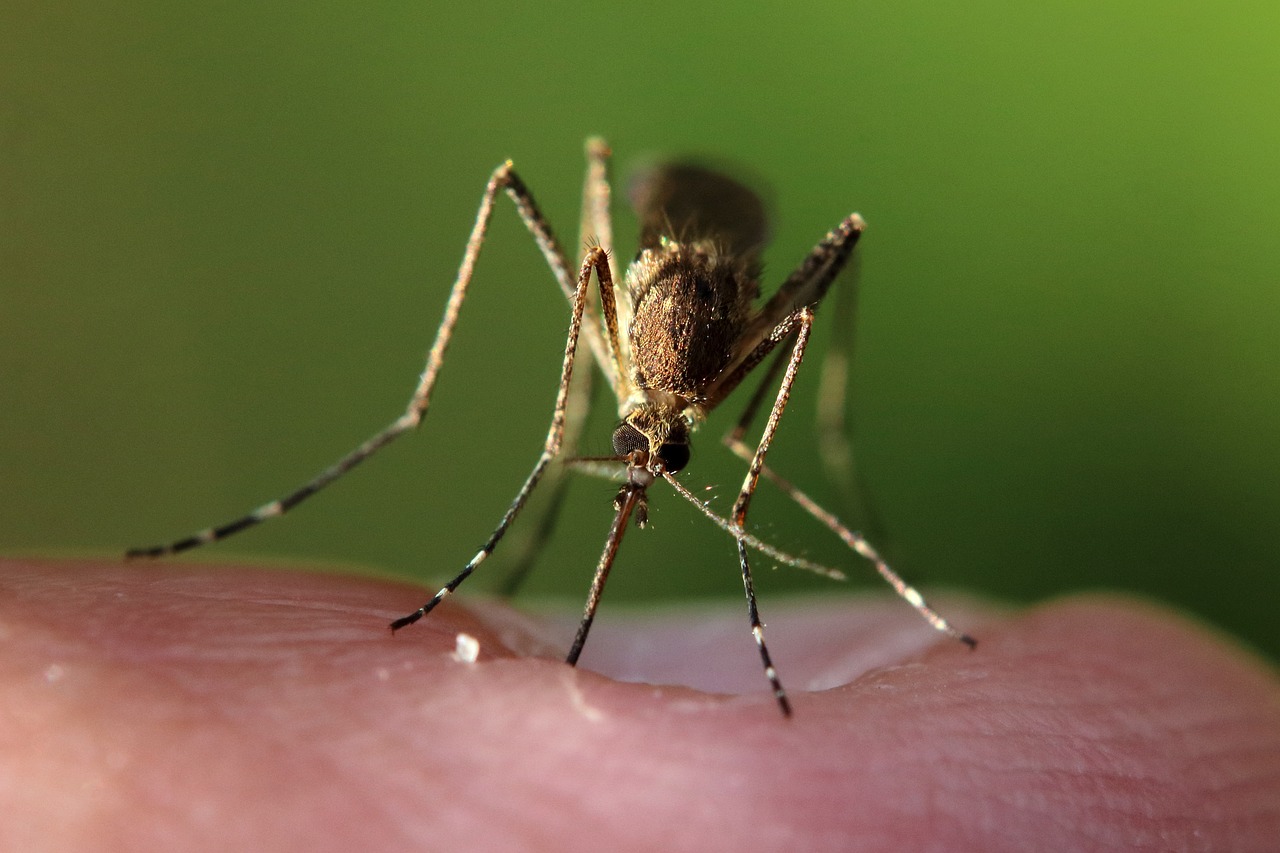
mosquito biting human

Not Another One

MP3 WAV

  • Most likely, you’ve never heard of the sloth virus. It’s also called the Oropouche Virus, and more than 20 cases were recently found for the first time in the US. All of them had traveled to Cuba. The virus normally circulates in parts of South America, Central America, and the Caribbean. Europe also got its first cases after people traveled to the Americas this summer.  

    Oropouche virus was first identified in a feverish forest worker in Trinidad and Tobago in an area called Vega de Oropouche in 1955. The name sloth virus came from scientists who proposed that the main animal host of the virus is the pale-throated sloth. They now believe other animals such as wild birds carry the virus and direct human-to-human transmission has not been reported. 

    Symptoms usually begin3-10 days after being bitten by an insect carrying the virus.  There’s fever, headaches, and chills and some suffer nausea and vomiting.  Less than half a percent get severe disease including meningitis which is infection and inflammation of membranes around the spinal cord and brain. Death is rare and most people recover in a week. The biggest danger is to pregnant women because the fetus could die or suffer abnormalities. 

    In 2024, outbreaks were reported in Brazil, Bolivia, Colombia., Peru, and for the first time in Cuba.  Climate change will likely cause further spread of Oropouche virus and the insects that carry it.  

More Information

Oropouche virus is spreading — and U.S. travelers have been affected
Oropouche virus is showing up in new areas beyond its usual Amazon basin home. The Pan American Health Organization created an epidemiological alert urging for increased prevention, surveillance and diagnosis of the virus.

What to know about Oropouche virus — the deadly fever that has reached the U.S.
As of Aug. 16, 2024, more than 20 cases of Oropouche virus disease — sometimes nicknamed "sloth virus" — have been confirmed in travelers returning to the U.S. from Cuba. These are the first known cases in the U.S. of the viral disease, which normally circulates in parts of South America, Central America and the Caribbean. They join a further 19 cases that have also been detected for the first time in travelers returning to Europe from the Americas this summer.

Oropouche cases in the Americas near 10,000
Since its last update at the start of August, the Pan American Health Organization (PAHO) in a new report said six countries in the Americas region have reported 1,774 more Oropouche virus cases, mostly from Brazil, Peru, and Cuba.


Two individuals wearing headphones stand in a recording booth, speaking into microphones with a music stand holding printed pages between them.

 Medicine...

Medicine is constantly advancing – that is a great thing about life in the 21st century. But it doesn’t just happen. Dedicated biomedical scientists are making discoveries that translate into those new medical advances.

Biomedical science is broad, encompassing everything from social science to microbiology, biochemistry, epidemiology, to structural biology and bioinformatics to name just a few areas. And, it can involve basic fundamental biology, the use of AI and chemistry to clinical studies that evaluate new medicines in patients.

No matter the research focus, the goal is always the same, to advance human health. It may take a few months, a few years or for fundamental science, a few decades. Few people make the connection that biomedical science is medicine and that biomedical scientists are working today on the medicine of tomorrow. Our weekly 500-word newspaper columns and 2-minute radio shows and podcasts provide insights into a broad range of biomedical science topics.

Medical Discovery News is dedicated to explaining discoveries in biomedical research and their promise for the future of medicine.

Podcasts

Alternatively, you can copy and paste the following web address (URL) into iTunes as a new subscription:
https://www.medicaldiscoverynews.com/shows/audio/mdnews.rss

You can also search and subscribe to "Medical Discovery News" in the podcast section of iTunes.

The www.medicaldiscoverynews.com web site and Medical Discovery News radio program (Program) are made possible by The University of Texas Medical Branch at Galveston (UTMB)as a community service and are intended to advance UTMB's mission of providing scholarly teaching, innovative scientific investigation, and state-of-the-art patient care in a learning environment to better the health of society and its commitment to the discovery of new innovative biomedical and health services knowledge leading to increasingly effective and accessible health care for the citizens of Texas.

All information provided on the web site and in the Program is for informational purposes only and is not intended for use as diagnosis or treatment of a health problem or as a substitute for consulting a licensed medical professional. Any information obtained by participating as a web site visitor or program listener is not intended to and should not be considered to constitute medical advice.

Thoughts and opinions expressed on the Program or on the website are those of the authors or guests and do not necessarily reflect the opinions of UTMB. The provision of links to other websites is not to be construed as written or implied sponsorship or endorsement of such websites by UTMB.

Please contact Dr. David Niesel or Dr. Norbert Herzog via email with any concerns, suggestions or comments.

All rights are reserved to information provided on the website or other information sources. No part of these programs can be reproduced stored in a retrieval system or transcribed in any form or by any means for personal or financial gained without the express written permission of Drs. Niesel and Dr. Herzog.