Recent Episodes
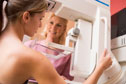
Origins of Mammogram Screening
In spite of arguments over the years that the mammogram is not cost-effective in screening for breast cancer, it continues to be an important tool.
It's used to detect early changes in the breast tissue before there are symptoms. Once diagnosed, the mammogram is used to help determine a treatment plan. Given that almost ten percent of all women get breast cancer, you could argue the mammogram is among the most important techniques of the last century in advancing women's health.
Mammography originated almost a century ago when a German surgeon, Dr. Albert Salman, x-rayed mastectomy samples and found differences between cancerous and normal tissue. But it was difficult to detect cancerous tissue in the breast because the tissue varied so much and the image quality was poor.
A major advance came in 1949 when Raul Leborgne discovered that, by compressing the breast before imaging, the x-ray could pick up small areas of calcification and the beginnings of cancer growth. Women who get mammograms complain about this the most, yet squeezing the breast continues to be crucial to the technology's effectiveness.
By the 1950's, x-ray imaging as a screening technique for healthy women became mainstream. And in 1960, a controlled randomized clinical trial in New York showed that mammographic screening reduced breast cancer deaths by one-third, compared to those not using it. This clinical trial marked the beginning of modern mammography.
Since then, mammography techniques have improved. Today's breast imaging machines produce lower-energy x-rays that are more discriminating in viewing soft breast tissue.
This means better detection and lower radiation levels compared with machines used as late as 1980.
If you're a woman and you're forty or older, the recommendation is that you get a mammogram every one to two years.
More Information
Mammograms and Other Breast Imaging Procedures
This is an authoritative American Cancer Society website that explores a broad range of topics related to mammography.
For more information...
New American Cancer Society Guidelines for Breast Screening with MRI in addition to Mammography released March 28th, 2007
Report of "an expert panel to review new evidence regarding the use of Screening Breast Magnetic Resonance Imaging (MRI) for breast cancer..."
For more information...
Breast cancer
Comprehensive Mayo clinic site overview covers symptoms, causes, diagnosis, treatment of breast cancer in women.
For more information...