Recent Episodes
Out of the Bog
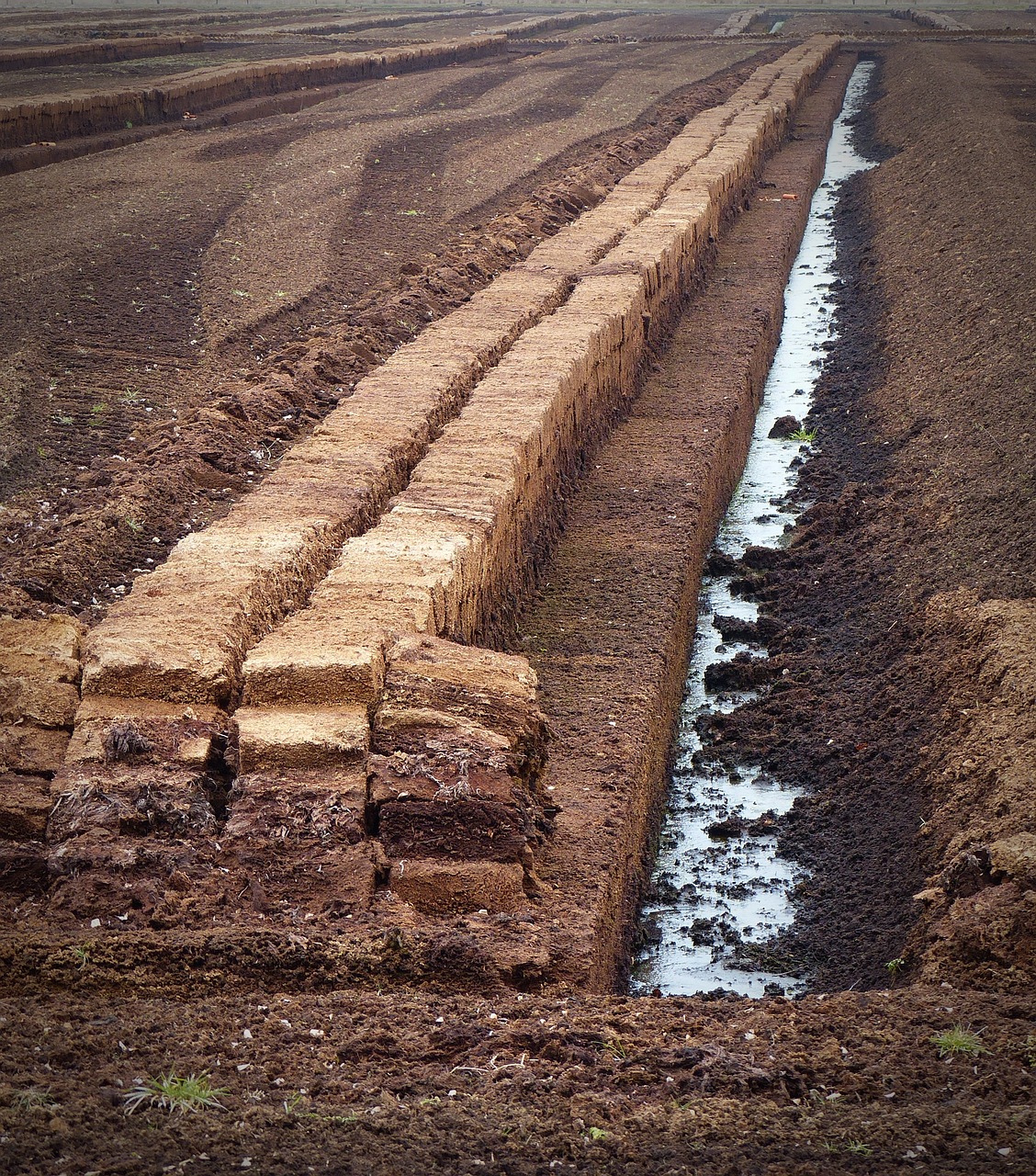
In 1915, workers cutting peat in a Denmark bog discovered the skeletal remains of a man. They uncovered the right anklebone, lower left shinbone, jawbone and a fragmented skull, along with a wooden club, a ceramic vessel and cow bones. Scientists eventually determined that the remains were those of a man who lived and died about 5,200 years ago. He was given the name Vittrup Man, and scientists think he was killed by blows to the head between 3100 BC and 3300 BC.
Now, scientists have gathered data on the genetic ancestry, physical appearance, geographic origin, dietary history and cultural environment to get a much better picture of the Vittrup Man. Analysis of the bones confirmed he was male, and the thickness and density of his skull is similar to others from the Late Mesolithic era from Denmark, Norway and Sweden. The 16 teeth available for study revealed significant wear and buildup. The skull and teeth data provided a reasonable age estimate of between 30 and 40 years.
According to his genetics, it seems likely that he was related to the Mesolithic people from northern Norway or Sweden. He had darker skin than Stone Age people in Denmark, he likely had blue eyes and dark hair color and he was shorter than most Scandinavians.
Analysis of chemical elements including strontium, nitrogen, carbon, and oxygen in the enamel of his teeth as well as protein analysis of teeth and bones revealed details of his diet. In early childhood, his diet included marine foods like fish, seals and even whales. By age 13 or 14, his diet shifted to include freshwater fish and wild game.
Somehow, he made his way south to Denmark at age 18 or 19. His diet changed again to that of a farmer, including grains, dairy, sheep and goat. Archaeologists refer to the culture present in Denmark at the time as the Funnel Beaker Culture because of the shape of clay pots found in burials. The Funnel Beaker people relied on farming and animal husbandry, unlike the hunter-gatherers to the north. Why he made that long journey, crossing at least 47 miles of open sea, is a mystery. He may have been a slave or captive, or perhaps a trader who decided to settle in Denmark.
Vittrup Man’s skull was broken from at least 8 blows that split it into several parts. Because there was no healing, we know the trauma was fatal. The size and characteristics of the skull fractures suggest that the wooden club found with him was the likely weapon to have inflicted these. The question remains why he was killed- was it a dispute, a robbery, a murder or a sacrifice, which was a common practice in the region at the time? We will likely never know.
Vittrup Man is the earliest known migrant settler to Denmark. He lived in a farming society far from his childhood home, only to die a most violent death. At least now we know much more about him.
More Information
Vittrup Man–The life-history of a genetic foreigner in Neolithic Denmark
Vittrup Man is the popular archaeological name for the severely fragmented Neolithic skeleton of a 30–40 years old male, who was found in a peat bog in Northwest Denmark. We present and combine data on genetic ancestry, physical appearance, geographic origin, dietary history and cultural environment.
The life and gruesome death of a bog man revealed after 5,000 years
Vittrup Man, who died in his thirties, was a Scandinavian wanderer who settled down between 3300 and 3100 bc.
Genetic and isotope analysis shows that this ancient bog body belonged to someone originally born on the coast of Scandinavia.