Medical Discovery NewsBridging the World of Medical Discovery and You

Recent Episodes

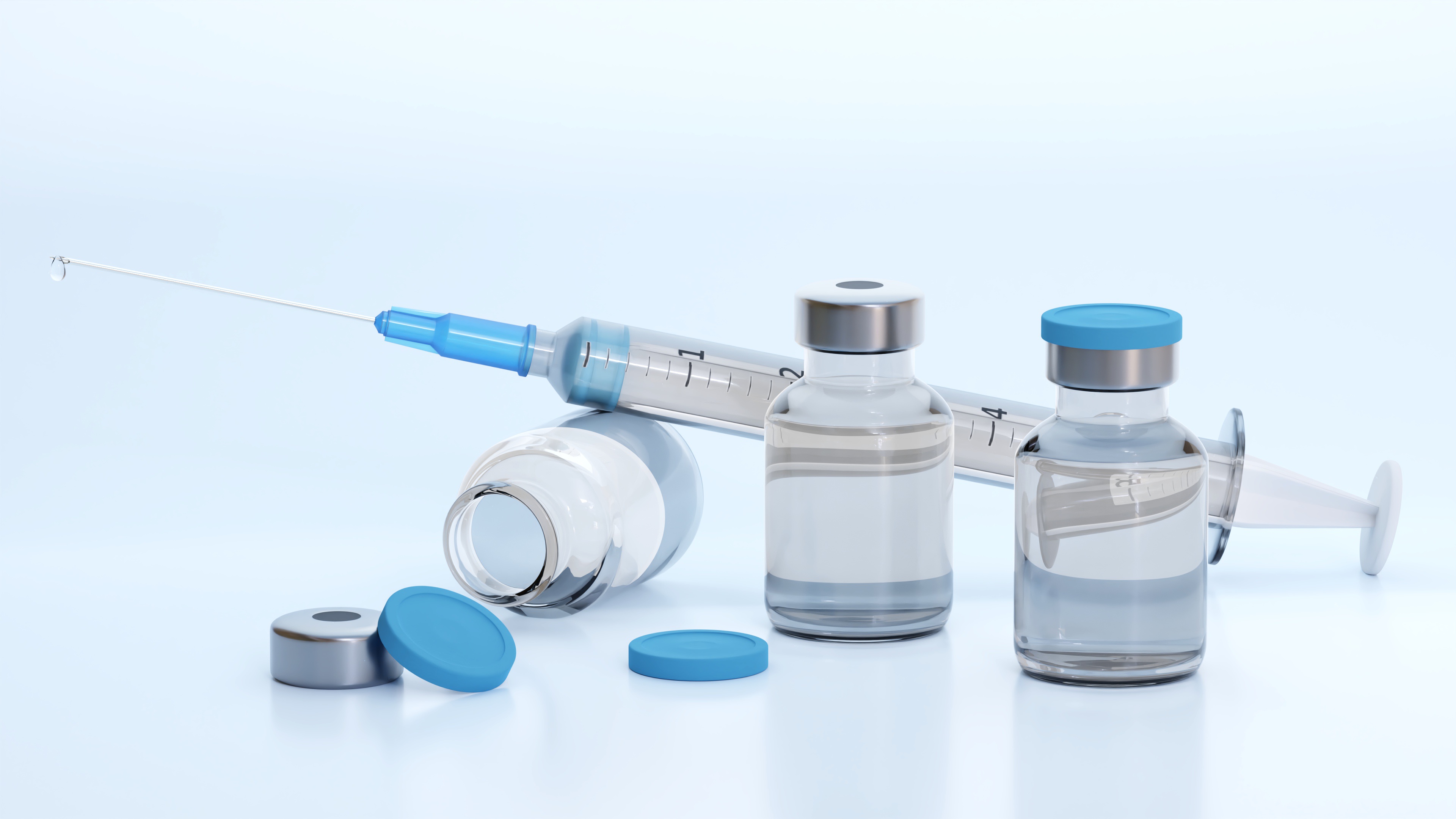
vials filled with liquid and a syringe on a white background

People Refusing Vitamin K Shots for Newborns

MP3 WAV

  • The anti-vaccine movement that rose during the pandemic is now spreading to other treatments for newborns. Parents are declining vitamin K shots for their newborns, questioning its necessity and potential side effects. 

    In a large study of 5 million babies in 2024, the refusal rate has risen from nearly 3 percent to more than 5 percent.  That’s concerning because Vitamin K can be a lifesaver to babies, shielding them from hemorrhages by stabilizing blood clots. Since we can only get this fat-soluble vitamin from our diet, newborns are born with low levels of it and very little is in breast milk. So, until they start on solid foods at six months, they’re at risk of developing rare but deadly bleeding in the brain or stomach.  

    Newborns can start bleeding soon after birth, within the first week, or in 2 weeks to 6 months. This late period bleed can go unnoticed since they usually happen in the brain without any head trauma. Late bleeds occur in 4 to 7 babies out of every 100,000 who do not receive vitamin K at birth. According to the CDC, one in every five babies with vitamin K deficiency bleeding will die.  But the risk drops to nearly zero with vitamin K injections. Now babies are dying of bleeding that could have been prevented by vitamin K injections. In 2024, more than 700 babies died of brain bleeding.  

    But the data does not parse out if lack of vitamin K as the cause. Talk to your doctor before rejecting treatment for your newborn.  

More Information

Trends in Vitamin K Administration Among Infants
Public skepticism regarding pediatric preventive interventions has grown after the COVID-19 pandemic. Whether national rates of intramuscular vitamin K administration have changed in this period is unknown. This study aimed to evaluate whether the proportion of newborns not receiving intramuscular vitamin K has increased in recent years and identify factors associated with nonreceipt.

Prophylaxis of intracranial hemorrhage due to vitamin K deficiency in infants
To determine the most effective way of preventing intracranial hemorrhage due to vitamin K deficiency in infants, we first performed a comparative study using Normotest on the effects of several regimens for the oral administration of vitamin K2. The incidence of this disease in infants with vitamin K prophylaxis was 1/68,500, which was one-twentieth of that (1/3,500 live births) before the period when most neonates received vitamin K prophylaxis. From the results, we concluded that the oral administration of vitamin K2 at birth and 1 week of age prevents this disease.

Babies are bleeding to death as parents reject a vitamin shot given at birth
Vitamin K shots, which help the blood to clot, are one of three key interventions for newborns, along with an antibiotic eye ointment and the hepatitis B vaccine. The government doesn’t track vitamin K rejections, but hospitals have seen a rise in parents opting out of the shots for their newborns, often driven by unfounded fears. Hundreds of children die each year from spontaneous bleeding in the brain, a common result of vitamin K deficiency, suggesting that many related deaths go unreported.


Two individuals wearing headphones stand in a recording booth, speaking into microphones with a music stand holding printed pages between them.

 Medicine...

Medicine is constantly advancing – that is a great thing about life in the 21st century. But it doesn’t just happen. Dedicated biomedical scientists are making discoveries that translate into those new medical advances.

Biomedical science is broad, encompassing everything from social science to microbiology, biochemistry, epidemiology, to structural biology and bioinformatics to name just a few areas. And, it can involve basic fundamental biology, the use of AI and chemistry to clinical studies that evaluate new medicines in patients.

No matter the research focus, the goal is always the same, to advance human health. It may take a few months, a few years or for fundamental science, a few decades. Few people make the connection that biomedical science is medicine and that biomedical scientists are working today on the medicine of tomorrow. Our weekly 500-word newspaper columns and 2-minute radio shows and podcasts provide insights into a broad range of biomedical science topics.

Medical Discovery News is dedicated to explaining discoveries in biomedical research and their promise for the future of medicine.

Podcasts

Alternatively, you can copy and paste the following web address (URL) into iTunes as a new subscription:
https://www.medicaldiscoverynews.com/shows/audio/mdnews.rss

You can also search and subscribe to "Medical Discovery News" in the podcast section of iTunes.

The www.medicaldiscoverynews.com web site and Medical Discovery News radio program (Program) are made possible by The University of Texas Medical Branch at Galveston (UTMB)as a community service and are intended to advance UTMB's mission of providing scholarly teaching, innovative scientific investigation, and state-of-the-art patient care in a learning environment to better the health of society and its commitment to the discovery of new innovative biomedical and health services knowledge leading to increasingly effective and accessible health care for the citizens of Texas.

All information provided on the web site and in the Program is for informational purposes only and is not intended for use as diagnosis or treatment of a health problem or as a substitute for consulting a licensed medical professional. Any information obtained by participating as a web site visitor or program listener is not intended to and should not be considered to constitute medical advice.

Thoughts and opinions expressed on the Program or on the website are those of the authors or guests and do not necessarily reflect the opinions of UTMB. The provision of links to other websites is not to be construed as written or implied sponsorship or endorsement of such websites by UTMB.

Please contact Dr. David Niesel or Dr. Norbert Herzog via email with any concerns, suggestions or comments.

All rights are reserved to information provided on the website or other information sources. No part of these programs can be reproduced stored in a retrieval system or transcribed in any form or by any means for personal or financial gained without the express written permission of Drs. Niesel and Dr. Herzog.