Recent Episodes
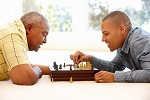
Play Chess to Lose Weight
Dave, there are all kinds of ways to lose weight and none of which I prefer' Like giving up your favorite dessert and running three miles a day? I agree, but what if I told you that you could lose a lot of weight by playing competitive chess? What? No way! Yes, the nineteen-eighty-four World Chess Championship was called off after five months because the defending champion, Anatoly Karpov had lost twenty two pounds and looked ill.
It does seem impossible that a chess player can burn six thousand calories a day during tournaments, but in two thousand four, the winner Rustam Kasimdzhanov lost seventeen pounds while playing six games of chess. It turns out that the average weight loss while playing championship level chess is two pounds a day. Here's why.
Grandmasters are under constant mental stress that causes faster heart rates which burns more energy. They usually have less appetite and sleep. Today's chess players have changed their game. The current world champion, Magnus Carlsen, consults with specialists at the Olympic Training Center in Norway. First they had him drink watered down orange juice during matches, but when he entered his twenties, the juice caused sugar crashes. So now he drinks a mixture of chocolate and plain milk which supplies calcium, potassium and protein and stabilizes his sugar to keep him energized through matches. He also exercises, has a personal chef, and sits in a relaxed posture to allow for optimal relaxation during matches. Chess masters have to be athletes, not just intellectuals.
More Information
The Chess Grandmaster's Diet
Chess grandmasters spend hours sitting over game boards. And yet, high-level players lose 10 to 12 pounds on average over a 10-day tournament. ESPN's Aishwarya Kumar dug into that statistic...
The grandmaster diet: How to lose weight while barely moving
ONE WEEK IN early March, on a blustery, windswept day, Fabiano Caruana decides to get away. He drives three hours west from his St. Louis apartment over winding gravel roads to reach his destination, a 2,000-acre compound in rural Missouri owned by a wealthy friend...