Medical Discovery NewsBridging the World of Medical Discovery and You

Recent Episodes

SARS-CoV-2 Evolution

MP3 WAV

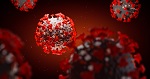
  • In order to understand how the virus behind COVID-nineteen mutates and continues to pose a threat to us, scientists are studying its origin and what made it so good at infecting humans. Recent work suggests the virus, SARS-Co-V-two began in bats and jumped to humans. That's because the closest relative to the virus has been found in Horseshoe bats and Pangolins.

    Scientists examined the genomes of one hundred thirty thousand SARS-CoV-two viruses isolated early in the pandemic and compared them to sixty-nine viruses in bats for genetic signs of adaptation. They learned the pandemic viruses are from a subset of coronaviruses called the sarbecoviruses. These are "generalists" meaning they've evolved to easily infect mammals which explains why SAR-CoV-two easily transmitted to humans.

    With RNA as its genetic information, it mutates nearly each time it replicates, fortunately at a slower rate than influenza, for example. The mutations that take hold is determined by people's immune responses, vaccines, and the use of antivirals. We know the virus began changing in late two thousand twenty when variants such the Beta and Alpha strains emerged.

    The vaccines are good at limiting its chances to adapt, but they also apply pressure for the virus to evolve resistance to them. We have to keep monitoring the virus for new variants and design booster vaccines to stay ahead of this disease.

More Information

Natural selection in the evolution of SARS-CoV-2 in bats created a generalist virus and highly capable human pathogen
Virus host shifts are generally associated with novel adaptations to exploit the cells of the new host species optimally. Surprisingly, Severe Acute Respiratory Syndrome Coronavirus 2 (SARS-CoV-2) has apparently required little to no significant adaptation to humans since the start of the Coronavirus Disease 2019 (COVID-19) pandemic and to October 2020...

Evolutionary origins of the SARS-CoV-2 sarbecovirus lineage responsible for the COVID-19 pandemic
There are outstanding evolutionary questions on the recent emergence of human coronavirus SARS-CoV-2 including the role of reservoir species, the role of recombination and its time of divergence from animal viruses. We find that the sarbecoviruses-the viral subgenus containing SARS-CoV and SARS-CoV-2-undergo frequent recombination and exhibit spatially structured genetic diversity on a regional scale in China...

On the origin and continuing evolution of SARS-CoV-2
The SARS-CoV-2 epidemic started in late December 2019 in Wuhan, China, and has since impacted a large portion of China and raised major global concern. Herein, we investigated the extent of molecular divergence between SARS-CoV-2 and other related coronaviruses...


CDC SARS Response Timeline

Two individuals wearing headphones stand in a recording booth, speaking into microphones with a music stand holding printed pages between them.

 Medicine...

Medicine is constantly advancing – that is a great thing about life in the 21st century. But it doesn’t just happen. Dedicated biomedical scientists are making discoveries that translate into those new medical advances.

Biomedical science is broad, encompassing everything from social science to microbiology, biochemistry, epidemiology, to structural biology and bioinformatics to name just a few areas. And, it can involve basic fundamental biology, the use of AI and chemistry to clinical studies that evaluate new medicines in patients.

No matter the research focus, the goal is always the same, to advance human health. It may take a few months, a few years or for fundamental science, a few decades. Few people make the connection that biomedical science is medicine and that biomedical scientists are working today on the medicine of tomorrow. Our weekly 500-word newspaper columns and 2-minute radio shows and podcasts provide insights into a broad range of biomedical science topics.

Medical Discovery News is dedicated to explaining discoveries in biomedical research and their promise for the future of medicine.

Podcasts

Alternatively, you can copy and paste the following web address (URL) into iTunes as a new subscription:
https://www.medicaldiscoverynews.com/shows/audio/mdnews.rss

You can also search and subscribe to "Medical Discovery News" in the podcast section of iTunes.

The www.medicaldiscoverynews.com web site and Medical Discovery News radio program (Program) are made possible by The University of Texas Medical Branch at Galveston (UTMB)as a community service and are intended to advance UTMB's mission of providing scholarly teaching, innovative scientific investigation, and state-of-the-art patient care in a learning environment to better the health of society and its commitment to the discovery of new innovative biomedical and health services knowledge leading to increasingly effective and accessible health care for the citizens of Texas.

All information provided on the web site and in the Program is for informational purposes only and is not intended for use as diagnosis or treatment of a health problem or as a substitute for consulting a licensed medical professional. Any information obtained by participating as a web site visitor or program listener is not intended to and should not be considered to constitute medical advice.

Thoughts and opinions expressed on the Program or on the website are those of the authors or guests and do not necessarily reflect the opinions of UTMB. The provision of links to other websites is not to be construed as written or implied sponsorship or endorsement of such websites by UTMB.

Please contact Dr. David Niesel or Dr. Norbert Herzog via email with any concerns, suggestions or comments.

All rights are reserved to information provided on the website or other information sources. No part of these programs can be reproduced stored in a retrieval system or transcribed in any form or by any means for personal or financial gained without the express written permission of Drs. Niesel and Dr. Herzog.