Medical Discovery NewsBridging the World of Medical Discovery and You

Recent Episodes

Taking Advantage of Side Effects

MP3 WAV

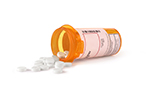
  • Anytime you pick up your prescription, you can find a list of the side effects. None you'd want to experience, but for scientists, they represent an array of possible new therapies to treat other diseases. This is the idea behind repurposing drugs.

    One great example is a recent experiment that revealed low doses of a common antibiotic doxycycline could reduce neuroinflammation in Parkinson's disease. That means it lowers the toxic effects of a protein that accumulates inside the brain.

    In people with Parkinson's, a class of cells called dopaminergic neurons die, causing people to shake and develop muscle stiffness. The discovery that doxycycline could protect these nerve cells was totally accidental.

    Researchers studying mice with Parkinson's Disease noticed the rodents weren't displaying symptoms any longer. They realized after some research that the mice had just started receiving food containing low levels of doxycycline.

    This led to a series of experiments. Using nerve cells in culture, they found that when low doses of doxycycline were included, the cells did not die. And even though the protein still accumulated and formed damaging fibers inside the nerve cells, there was an eighty percent decrease in the amount of these fibers. So, they didn't do as much damage.

    Also, doxycycline reduced the inflammatory conditions that kill nerve cells. There is also evidence that the antibiotic may influence the genes that directly play a role in Parkinson's disease. While the specific mechanism of how this works is not yet well understood, the results may repurpose an existing drug into a valuable new treatment for millions of people.

More Information

Repurposing doxycycline for synucleinopathies: remodelling of a-synuclein oligomers towards non-toxic parallel beta-sheet structured species.
Synucleinophaties are progressive neurodegenerative disorders with no cure to date. An attractive strategy to tackle this problem is repurposing already tested safe drugs against novel targets...

Antibiotic Doxycycline May Offer Hope As Parkinson's Treatment
Lower doses of the common antibiotic Doxycycline reduces toxicity of alpha synuclein and may be used to help treat Parkinson's disease, a new study reports...

In Accidental Discovery, Antibiotic Doxycycline Prevents Nerve Cell Damage in Mice with Parkinson's
Brazilian researchers discovered by accident that the antibiotic doxycycline prevented nerve cell damage in mice with Parkinson's disease, a finding that was so exciting that they and colleagues from other countries decided to delve further into the subject...


 Medicine...

Medicine is constantly advancing – that is a great thing about life in the 21st century. But it doesn’t just happen. Dedicated biomedical scientists are making discoveries that translate into those new medical advances.

Biomedical science is broad, encompassing everything from social science to microbiology, biochemistry, epidemiology, to structural biology and bioinformatics to name just a few areas. And, it can involve basic fundamental biology, the use of AI and chemistry to clinical studies that evaluate new medicines in patients.

No matter the research focus, the goal is always the same, to advance human health. It may take a few months, a few years or for fundamental science, a few decades. Few people make the connection that biomedical science is medicine and that biomedical scientists are working today on the medicine of tomorrow. Our weekly 500-word newspaper columns and 2-minute radio shows and podcasts provide insights into a broad range of biomedical science topics.

Medical Discovery News is dedicated to explaining discoveries in biomedical research and their promise for the future of medicine.

Podcasts

Alternatively, you can copy and paste the following web address (URL) into iTunes as a new subscription:
https://www.medicaldiscoverynews.com/shows/audio/mdnews.rss

You can also search and subscribe to "Medical Discovery News" in the podcast section of iTunes.

See all podcasts and radio stations

The www.medicaldiscoverynews.com web site and Medical Discovery News radio program (Program) are made possible by The University of Texas Medical Branch at Galveston (UTMB)as a community service and are intended to advance UTMB's mission of providing scholarly teaching, innovative scientific investigation, and state-of-the-art patient care in a learning environment to better the health of society and its commitment to the discovery of new innovative biomedical and health services knowledge leading to increasingly effective and accessible health care for the citizens of Texas.

All information provided on the web site and in the Program is for informational purposes only and is not intended for use as diagnosis or treatment of a health problem or as a substitute for consulting a licensed medical professional. Any information obtained by participating as a web site visitor or program listener is not intended to and should not be considered to constitute medical advice.

Thoughts and opinions expressed on the Program or on the website are those of the authors or guests and do not necessarily reflect the opinions of UTMB. The provision of links to other websites is not to be construed as written or implied sponsorship or endorsement of such websites by UTMB.

Please contact Dr. David Niesel or Dr. Norbert Herzog via email with any concerns, suggestions or comments.

All rights are reserved to information provided on the website or other information sources. No part of these programs can be reproduced stored in a retrieval system or transcribed in any form or by any means for personal or financial gained without the express written permission of Drs. Niesel and Dr. Herzog.